Houthi leader calls Mecca attack claim a 'lie' as Yemen tensions flare
Synopsis
Yemen's Houthi chief flatly denied targeting Mecca — calling Saudi accusations a 'lie' — even as his forces reportedly made major territorial gains along the Red Sea coast and Bab al-Mandab Strait. With Saudi Arabia branding holy-site security a 'red line' and mass protests called for Friday, the Yemen conflict is escalating on multiple fronts simultaneously.
Key Takeaways
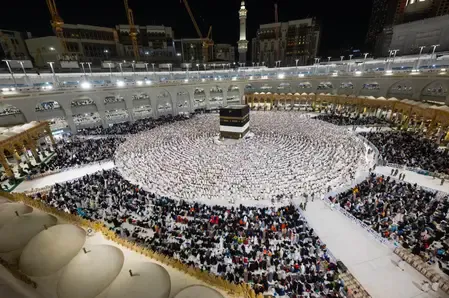
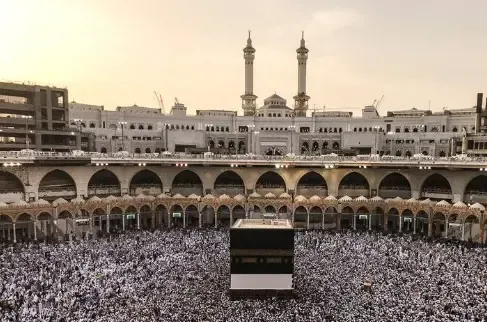
Abdul-Malik al-Houthi on 18 September 2026 denied that Houthi forces targeted Mecca , calling the charge 'fabrication and misinformation.' Saudi Arabia said its air defenses shot down a Houthi drone south of Mecca on Tuesday evening before it entered the holy city's airspace.
Coalition spokesperson Turki al-Malki called holy-site security a 'red line' and warned of retaliatory measures; he said this was the second such alleged Houthi attempt, following a 27 July 2017 ballistic missile incident.
The Houthis have reportedly made major gains along Yemen's Red Sea coast and around the Bab al-Mandab Strait since 3 September .
Al-Houthi called for mass demonstrations across Yemen on Friday to reject what he described as Saudi slander.
Yemen's conflict began in late 2014 ; the Saudi-led coalition intervened in March 2015 — making this the conflict's twelfth year.
Yemen's Houthi leader Abdul-Malik al-Houthi flatly rejected accusations on Thursday, 18 September 2026 that his forces had attempted to strike the Islamic holy city of Mecca, dismissing the charge as 'fabrication and misinformation' even as hostilities between the Houthis and Saudi Arabia continue to intensify. The denial came directly via a televised address broadcast on Houthi-run al-Masirah TV.
Al-Houthi's Denial and Counter-Allegations
In his address, al-Houthi called the Mecca targeting claim a 'lie,' arguing the allegation was being weaponised to manufacture broader regional support for what he characterised as 'military measures imposed on Yemen.' He further accused Saudi Arabia of deliberately stalling a political settlement during the recent period of relative calm, saying restrictions on Houthi-controlled areas — including limitations on airport operations and import flows — had actually been tightened rather than eased.
Al-Houthi called on supporters across Yemen to mobilise for mass demonstrations on Friday to repudiate what he termed Saudi 'fabrications and slander.' The appeal signals the Houthi leadership's intent to use domestic public pressure as a political tool alongside its military campaign.
Saudi Arabia's Accusation and the Intercepted Drone
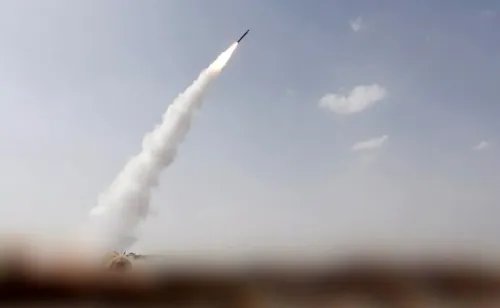
Al-Houthi's televised remarks came a day after Saudi Arabia publicly charged the Houthis with launching a drone toward Mecca. The Saudi-led coalition said its Royal Saudi Air Defense Forces intercepted and destroyed the drone south of Mecca on Tuesday evening, before the device entered the holy city's restricted airspace.
Coalition spokesperson Turki al-Malki described the security of Islam's two holiest sites and pilgrims as a 'red line,' warning that necessary measures would be taken in response. He also said this was the second alleged Houthi attempt to target Mecca, referencing what the coalition described as a ballistic missile attack on 27 July 2017.
Battlefield Shifts and Widening Confrontation
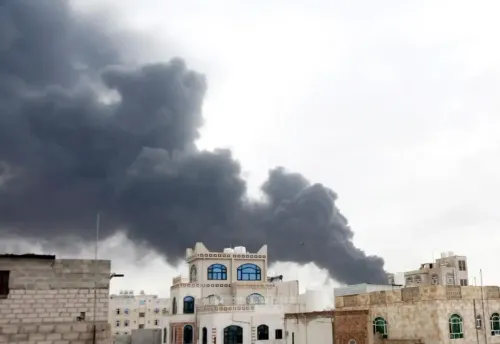
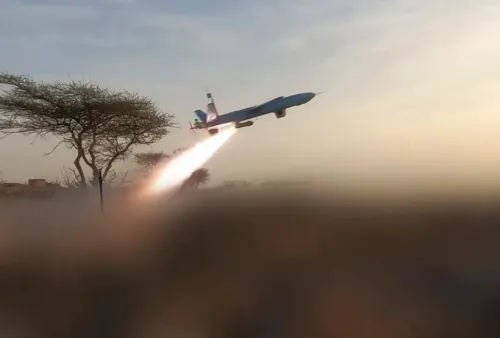
The war of words sits atop a rapidly shifting military landscape. The Houthis have reportedly made significant territorial gains along Yemen's Red Sea coast and around the strategically vital Bab al-Mandab Strait since 3 September, while simultaneously stepping up missile and drone strikes on Saudi military installations and oil infrastructure. Saudi warplanes, according to Houthi claims, have in turn intensified airstrikes across Yemen.
Notably, the Bab al-Mandab Strait — a chokepoint for roughly 10% of global seaborne trade — makes any sustained Houthi foothold there a concern that extends well beyond the Arabian Peninsula, with potential implications for global shipping lanes and energy markets.
Conflict Background
Yemen's war erupted in late 2014 when the Houthis seized the capital Sanaa and large swathes of northern Yemen. A Saudi-led coalition intervened in March 2015 in support of the internationally recognised Yemeni government, triggering one of the world's most protracted and devastating conflicts. Successive ceasefire efforts have failed to produce a durable political settlement, and the latest flare-up suggests the conflict is entering a new, more dangerous phase.
With mass protests called for Friday and Saudi Arabia signalling retaliatory 'measures,' the coming days will be a critical test of whether either side has the appetite — or the leverage — for de-escalation.
Point of View
Designed to legitimise a military campaign. Both sides understand that the sanctity of Mecca is a mobilising symbol far beyond Yemen's borders — which is precisely why the claim and the counter-denial carry such outsized diplomatic weight. What mainstream coverage often misses is the underlying leverage battle: Houthi gains at Bab al-Mandab give the group real bargaining power that a purely military Saudi response may not neutralise. A negotiated exit remains the only credible off-ramp, but neither side has shown the structural concessions — on airport access, imports, and governance — that a durable settlement would require.
NationPress
18 Sept 2026
Frequently Asked Questions
What did the Houthi leader say about the Mecca attack allegation?
Abdul-Malik al-Houthi dismissed the accusation as a 'lie' and 'fabrication,' arguing in a televised address on 18 September 2026 that Saudi Arabia was using the claim to build support for military action against Yemen. He called for mass demonstrations across Yemen on Friday to reject what he termed Saudi slander.
What did Saudi Arabia say about the drone near Mecca?
Saudi Arabia said its Royal Saudi Air Defense Forces intercepted and destroyed a Houthi-launched drone south of Mecca on Tuesday evening before it reached the holy city's restricted airspace. Coalition spokesperson Turki al-Malki called the security of Islam's two holiest sites a 'red line' and said appropriate measures would follow.
Has a Houthi attack near Mecca happened before?
According to the Saudi-led coalition, this was the second alleged Houthi attempt to target Mecca. The first was described as a ballistic missile attack on 27 July 2017, which the coalition said was also intercepted.
Why are Houthi gains at the Bab al-Mandab Strait significant?
The Bab al-Mandab Strait is a critical chokepoint for global seaborne trade, with roughly 10% of the world's maritime cargo passing through it. Reported Houthi territorial advances along Yemen's Red Sea coast since 3 September raise concerns about disruption to shipping lanes and energy supply chains well beyond the region.
How did Yemen's war start?
The conflict began in late 2014 when the Houthis seized the capital Sanaa and much of northern Yemen. The Saudi-led coalition intervened in March 2015 in support of the internationally recognised Yemeni government, triggering a war that has now entered its twelfth year without a durable political settlement.