Is the Pakistan Government Failing Its Citizens?
Click to start listening
Synopsis
Pakistan's government faces criticism for its ineffective and reactive policy-making, leaving citizens and investors disappointed. As highlighted in the 'Friday Times', the inconsistent approaches in energy policies, especially regarding CNG and solar energy, have significant repercussions for the economy and public trust.
Key Takeaways
- Pakistan's energy policies lack consistency.
- Public trust is declining due to government missteps.
- CNG and solar policies have caused financial losses.
- Strategic reform is needed for sustainable growth.
- Investors are wary due to unpredictable policy changes.
New Delhi, Dec 28 (NationPress) The government of Pakistan has continually undermined public confidence with its short-sighted and improvised methods in policy development, as noted in an article from the nation's 'Friday Times' newspaper.
This ongoing trend of hasty policy creation is exemplified by the turmoil surrounding Pakistan's CNG and solar energy policies, which have stranded consumers and caused substantial financial losses for investors, the article argues.
Furthermore, it states: “The policies related to sugar and wheat often appear to be a farce, where special interests are prioritized over the welfare of consumers. The reality is that our overall public policy framework urgently requires a shift towards being more people-centric and informed, genuinely considering social and environmental risks and collateral damage.”
In 1992, the government implemented a policy aimed at encouraging the use of CNG in road transport vehicles. This initiative was influenced by various hurdles, including a persistent shortage of foreign currency, as the oil import bill consumed approximately 25 percent of export earnings, coupled with the Persian Gulf crisis of 1990-91, which led to disruptions in oil supplies and a significant increase in global oil prices, the article notes.
The new policy aimed to ensure that the adoption of CNG would replace expensive oil imports with local gas reserves, thereby conserving essential foreign currency. The government introduced various tax discounts and duty exemptions for CNG infrastructure, equipment, and vehicle conversion kits; additionally, CNG prices for vehicles were maintained at 40-60 percent lower than petrol. The uptake of CNG in the transport sector was immense, as individuals invested billions of rupees to convert their vehicles. By 2004, Pakistan had emerged as a global leader in natural gas-powered vehicles.
“However, around 2010, our policymakers faced the harsh reality that the nation’s natural gas reserves were depleting rapidly due to CNG consumption. Ignoring the ideals of ‘green fuel’ and ‘fuel sovereignty’ so passionately pursued in 1992, the government opted to prioritize natural gas for industrial and residential consumers instead. With tax incentives and duty waivers revoked and prices increased, CNG for vehicles became prohibitively expensive. As a result, thousands of individuals and businesses with CNG plants and vehicles suffered significant financial losses,” the article points out.
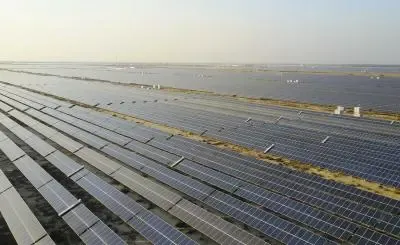
A similar narrative surrounds the government's policy on solar energy adoption. The genuine push for solar energy began in 2015, amid severe electricity shortages and a persistent foreign exchange deficit for operating fossil fuel power plants. Tax and duty reductions on solar power equipment were extensively applied. Moreover, the government assured the purchase of electricity from solar users at approximately 27 rupees per unit. In 2022, the government further reduced the GST on solar panels by 17 percent.
Frustrated by high electricity costs from the national grid and frequent outages, countless households, small businesses, and traders swiftly transitioned to solar power. This rapid shift was so substantial that by 2024, Pakistan had become the leading importer of solar panels globally, bringing in nearly 17 gigawatts of new capacity. By 2025, solar power is projected to contribute up to 25 percent of monthly electricity generation.
This level of solar adoption may have exceeded the policymakers' expectations. The unconsidered solar policy began to negatively affect state-owned power generation. Independent power plants, which the government had encouraged over the previous decade under ‘take-or-pay’ contracts, accrued approximately 2 trillion rupees in annual capacity charges, regardless of their operational status. Power distribution companies also reported multi-billion rupee losses.
Consequently, the government is now not only reducing the solar electricity buy-back price from 26 rupees to 10 rupees per unit, but also abolishing the one-for-one unit offsetting formula between solar and grid electricity. Additional disincentives, such as licensing requirements and shortened electricity buy-back contract durations, are being introduced to rationalize a policy that was fundamentally flawed from the start, the article concludes.
Point of View
My stance aligns with the welfare of the nation. It’s crucial to advocate for more strategic and sustainable policies that prioritize the citizens' needs and promote long-term growth. The current ad hoc methodologies must be reformed for a brighter future.
NationPress
30/12/2025
Frequently Asked Questions
What are the key issues with Pakistan's energy policy?
Pakistan's energy policies, particularly concerning CNG and solar power, have been criticized for being inconsistent and poorly planned, resulting in financial losses for both consumers and investors.
How has the government's approach affected public trust?
The government’s reactive and short-sighted policy-making has led to a significant erosion of public trust, as citizens feel their needs and investments are overlooked.