Ahmadiyya worship site demolished in Sindh under extremist pressure, IHRC condemns Pakistan
Synopsis
Pakistani local authorities in Sindh demolished the minarets of an Ahmadiyya worship site and bricked up its prayer niche after a mob protest — and the UK-based IHRC says that amounts to the state doing extremists' bidding. With UN bodies and diplomatic missions now being called to respond, the incident is set to sharpen international scrutiny of Pakistan's treatment of its most legally vulnerable religious minority.
Key Takeaways
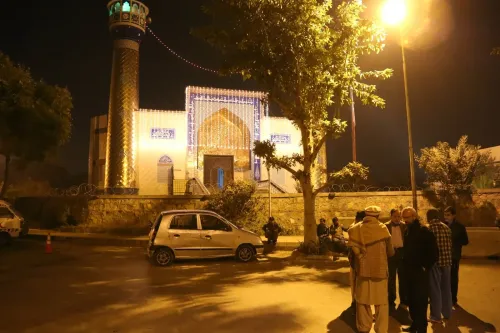
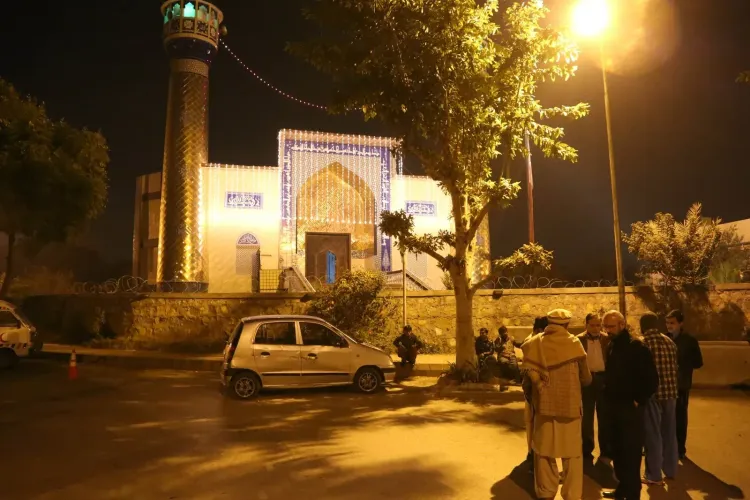
Local authorities in Jamalpur, Sindh demolished minarets and sealed the prayer niche of an Ahmadiyya worship site following a mob protest on 14 May 2025 .
An Ahmadi individual was physically assaulted by protesters in the Karundi region during the same episode.
The UK-based International Human Rights Committee (IHRC) condemned the demolition as 'a serious failure of state protection.' The IHRC stated that Pakistani authorities acted in compliance with extremist mob demands rather than protecting a religious minority.
The rights body has called for an impartial investigation and urged UN human rights bodies , diplomatic missions, and international civil society to publicly condemn the targeting of Ahmadis in Pakistan.
The International Human Rights Committee (IHRC), a UK-based rights organisation, on Tuesday, 26 May strongly condemned the demolition of an Ahmadiyya place of worship in Jamalpur, Sindh, by local Pakistani authorities, as well as the physical assault on an Ahmadi individual in the Karundi region. The IHRC warned that the incident reflects a deepening pattern of state-enabled intolerance against religious minorities in Pakistan.
What Happened in Jamalpur and Karundi
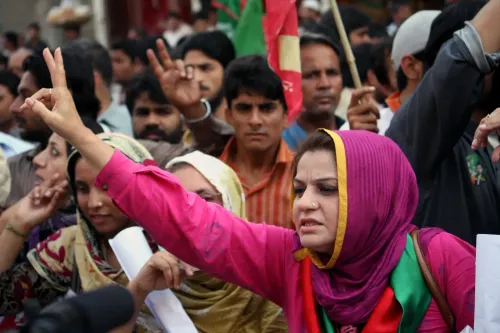
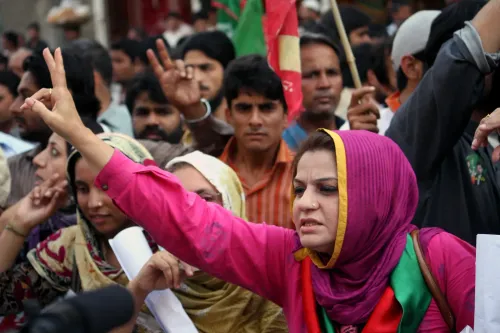
According to the IHRC, opponents of the Ahmadiyya Muslim Community staged a protest in the Karundi region on 14 May, blocking roads and demanding action against the Ahmadiyya place of worship in Jamalpur. Protesters explicitly called for the demolition of the minarets and the prayer niche of the worship site.
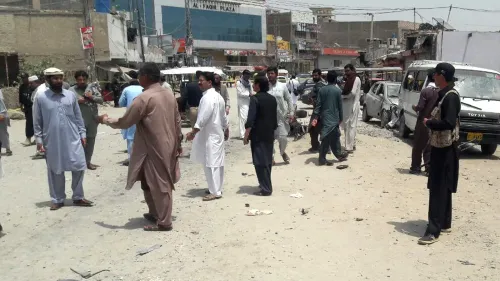
Following this mob pressure, local authorities visited the Jamalpur site, demolished its minarets, and sealed the prayer niche from inside with bricks. Separately, an Ahmadi individual was physically assaulted by protesters in Karundi, according to the rights body.
IHRC's Condemnation and Key Findings
The IHRC characterised the demolition as 'a serious failure of state protection and a direct attack on the religious dignity of the Ahmadiyya community.' In a formal statement, the organisation said: 'The destruction or alteration of religious structures belonging to the Ahmadiyya Muslim Community constitutes a serious violation of freedom of religion or belief. It also contributes to a climate of fear, intimidation, and insecurity for Ahmadis, who are already subjected to systematic discrimination under Pakistan's legal and social framework.'
The rights body further noted that Pakistani authorities appeared to have acted in compliance with mob demands rather than fulfilling their constitutional duty to protect a vulnerable religious minority. 'Compliance with extremist demands cannot be justified as law enforcement,' the IHRC stated.
A Continuing Pattern of Targeting
The IHRC described the Sindh incident as part of a continuing pattern in Pakistan where Ahmadiyya places of worship are targeted under pressure from extremist groups and hostile local actors. Ahmadis already face systematic legal discrimination in Pakistan, including under blasphemy statutes that critics argue are disproportionately weaponised against the community. This is not an isolated event — rights groups have documented multiple similar demolitions and sealings of Ahmadiyya worship sites across Pakistani provinces in recent years.
Demands and International Appeal
The IHRC called on the government of Pakistan and Sindh provincial authorities to conduct an impartial investigation into the demolition and the bricking-up of the prayer niche, and to identify and hold accountable those who incited hatred and demanded the destruction of the site.
The organisation also appealed to the international community, UN human rights bodies, diplomatic missions, and international civil society organisations to publicly condemn the desecration of Ahmadiyya places of worship and the continued targeting of Ahmadis in Pakistan. The IHRC stressed that state institutions have a duty to protect all citizens, including religious minorities, from 'mob violence, coercion, and intimidation.'
With the IHRC's appeal now directed at UN bodies and foreign missions, international scrutiny of Pakistan's treatment of its Ahmadiyya minority is likely to intensify in the weeks ahead.
Point of View
Which is the more troubling detail. Pakistan's legal framework already places Ahmadis outside the protections most citizens take for granted, and when state machinery moves in step with extremist demands, it signals institutional complicity rather than mere negligence. The IHRC's call for an impartial investigation is warranted, but Pakistan's record on accountability for anti-Ahmadiyya violence is near-absent. The real test is whether diplomatic pressure from UN bodies and foreign missions produces any measurable change — or whether this, like prior condemnations, is absorbed without consequence.
NationPress
24 Sept 2026
Frequently Asked Questions
What happened at the Ahmadiyya worship site in Jamalpur, Sindh?
Local Pakistani authorities demolished the minarets of an Ahmadiyya place of worship in Jamalpur, Sindh, and sealed its prayer niche with bricks following a mob protest on 14 May 2025. The IHRC described the action as a direct attack on the religious dignity of the Ahmadiyya community carried out under extremist pressure.
Who is the IHRC and why has it condemned Pakistan?
The International Human Rights Committee (IHRC) is a UK-based human rights organisation. It condemned the demolition because Pakistani authorities appeared to comply with mob demands rather than protect a vulnerable religious minority, which the IHRC characterised as a serious violation of freedom of religion or belief.
Was anyone harmed during the protests in Sindh?
Yes. According to the IHRC, an Ahmadi individual was physically assaulted by protesters in the Karundi region during the demonstrations that preceded the demolition of the Jamalpur worship site.
What has the IHRC demanded from Pakistan?
The IHRC has called on the Pakistani government and Sindh provincial authorities to conduct an impartial investigation into the demolition, identify those who incited hatred, and hold them accountable. It has also urged the UN, diplomatic missions, and international civil society to publicly condemn the targeting of Ahmadis in Pakistan.
Why are Ahmadis particularly vulnerable in Pakistan?
Ahmadis face systematic legal discrimination in Pakistan, including under blasphemy laws that critics argue are disproportionately applied against the community. Rights groups have documented multiple incidents of Ahmadiyya worship sites being demolished or sealed across Pakistani provinces, reflecting what the IHRC calls a continuing pattern of state-enabled intolerance.