India-Kazakhstan ties: Envoy, Deputy FM meet to deepen bilateral partnership
Synopsis
Just weeks after PM Modi and President Tokayev met at the BRICS Summit in New Delhi, India's envoy in Astana held a 'warm and productive' meeting with Kazakhstan's newly appointed Deputy Foreign Minister — a sign that the bilateral partnership is being actively operationalised at the working level, with critical minerals, energy, and emerging technologies at the centre of the agenda.
Key Takeaways
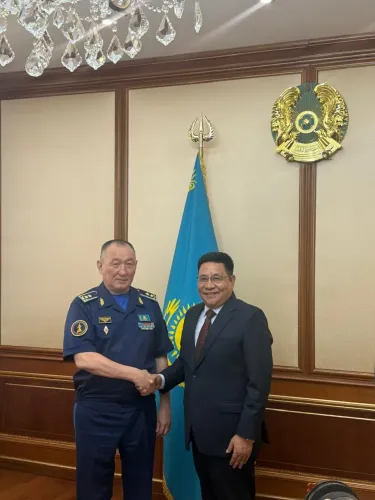
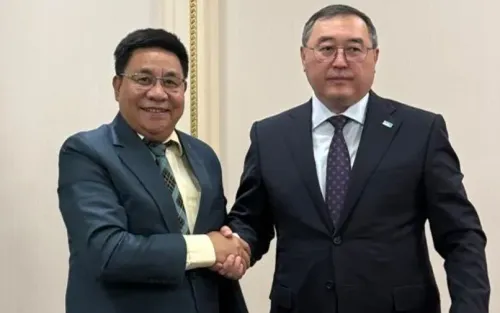
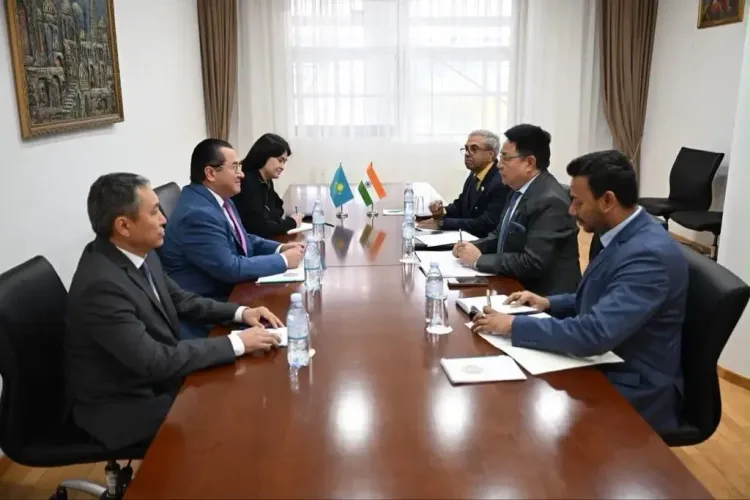
India's Ambassador Y K Sailas Thangal met Kazakhstan's Deputy Foreign Minister Arman Issagaliyev in Astana on 7 October 2026 .
Both sides reviewed bilateral ties and committed to converting the partnership into 'tangible outcomes'.
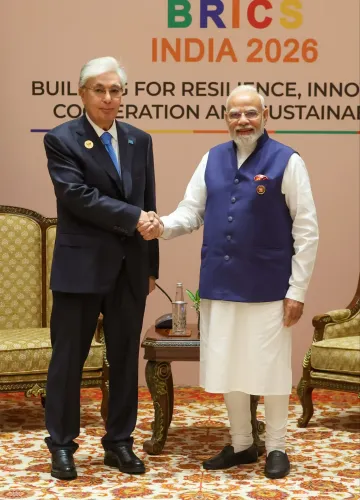
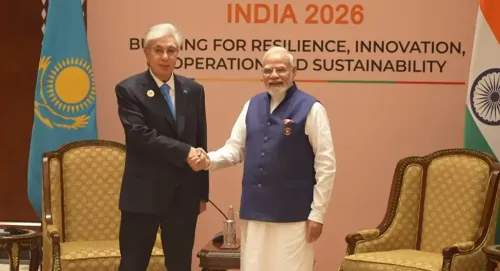
PM Narendra Modi and President Kassym-Jomart Tokayev had met on the sidelines of the 18th BRICS Summit in New Delhi on 12–13 September 2026 .
Leaders discussed cooperation in trade, defence, energy, critical minerals, emerging technologies , and people-to-people ties.
Kazakhstan is Central Asia's largest economy and a key node in India's extended neighbourhood policy.
India and Kazakhstan on Wednesday, 7 October 2026, reaffirmed their commitment to translating the bilateral partnership into concrete outcomes, as the two sides held wide-ranging discussions covering political, trade, defence, energy, and people-to-people ties. The engagement signals sustained diplomatic momentum between New Delhi and Astana following a high-level summit meeting last month.
Key Meeting in Astana
The discussions took place during a meeting between India's Ambassador to Kazakhstan, Y K Sailas Thangal, and Kazakhstan's newly appointed Deputy Foreign Minister Arman Issagaliyev in Astana. The Indian Embassy in Kazakhstan described the exchange as 'warm and productive', noting that the two sides reviewed the full scope of bilateral relations.
'They discussed ways to seize emerging opportunities, deepen mutual understanding, and further strengthen a forward-looking partnership between India and Kazakhstan,' the Embassy stated. The meeting is seen as a follow-through to the leadership-level engagement that took place in September 2026.
Modi-Tokayev Summit at BRICS
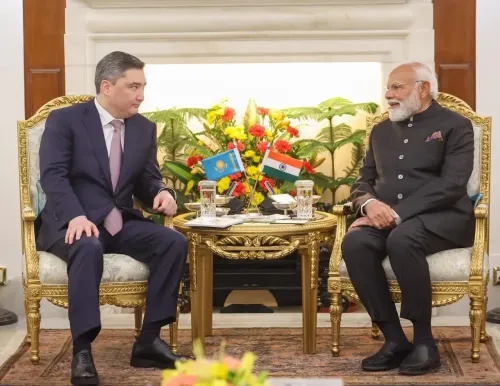
Last month, Prime Minister Narendra Modi and Kazakhstan President Kassym-Jomart Tokayev met on the sidelines of the 18th BRICS Summit in New Delhi on 12–13 September. According to a statement from the Ministry of External Affairs (MEA), Modi recalled India's ancient civilisational linkages with Kazakhstan and expressed satisfaction at the steady development of bilateral ties.
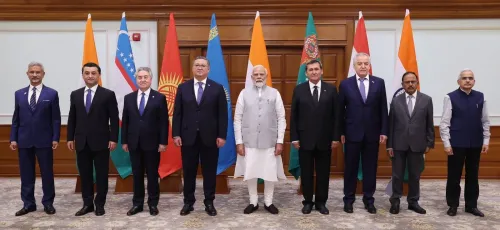
The two leaders reviewed cooperation across a broad spectrum — including political, trade, defence and security, connectivity, energy, critical minerals, emerging technologies, creative economy, and people-to-people exchanges. Tokayev also attended a gala dinner hosted by Modi for visiting leaders at Bharat Mandapam on 12 September.
Strategic Partnership Reaffirmed
Both sides reiterated their commitment to further strengthening the strategic partnership 'for the mutual benefit of their people, as well as for peace, stability, development and prosperity in the region,' according to the MEA statement. The emphasis on critical minerals and emerging technologies is particularly notable, given India's push to secure supply chains and Kazakhstan's rich natural resource base.
Why This Matters
India's engagement with Central Asia — Kazakhstan being the region's largest economy — is a cornerstone of its extended neighbourhood policy. This comes amid broader geopolitical shifts, with major powers competing for influence across the region. Notably, the bilateral outreach at both the ambassador and deputy minister level within weeks of a BRICS-sideline summit reflects an unusually active diplomatic tempo. Analysts observe that India is increasingly using multilateral summits as launchpads for deepening bilateral ties with key partners.
The next phase of the partnership will be watched closely for tangible deliverables, particularly in energy and critical minerals, where both countries have identified shared interests.
Point of View
Investment frameworks, or joint ventures — or remain at the level of warm optics. The real test will be the deliverables at the next bilateral mechanism.
NationPress
7 Oct 2026
Frequently Asked Questions
What was discussed in the India-Kazakhstan meeting on 7 October 2026?
India's Ambassador Y K Sailas Thangal and Kazakhstan's Deputy Foreign Minister Arman Issagaliyev reviewed the full scope of bilateral relations in Astana, reaffirming commitment to translating the India-Kazakhstan partnership into tangible outcomes. They discussed ways to deepen mutual understanding and seize emerging opportunities.
When did PM Modi meet Kazakhstan's President Tokayev?
Prime Minister Narendra Modi met President Kassym-Jomart Tokayev on the sidelines of the 18th BRICS Summit in New Delhi on 12–13 September 2026. Tokayev also attended a gala dinner hosted by Modi at Bharat Mandapam on 12 September.
What areas of cooperation did India and Kazakhstan identify?
The two countries identified cooperation in political, trade, defence and security, connectivity, energy, critical minerals, emerging technologies, creative economy, and people-to-people ties. Both sides also exchanged views on regional and international developments.
Why is India's engagement with Kazakhstan strategically significant?
Kazakhstan is Central Asia's largest economy and a key partner in India's extended neighbourhood policy. India's interest in the country spans energy supply, critical minerals for its technology and EV sectors, and connectivity corridors to Central Asia and beyond.
What is the current status of India-Kazakhstan bilateral relations?
India and Kazakhstan maintain a strategic partnership that has seen steady development in recent years, according to the Ministry of External Affairs. The relationship spans multiple domains and was reaffirmed at the highest level during the BRICS Summit in September 2026.