India defends FATF at UN, says Pakistan's attacks stem from fear of scrutiny
Synopsis
At the UN's Counter-Terrorism Week, India's envoy delivered a thinly veiled rebuke of Pakistan's campaign against FATF — calling it 'fear of scrutiny' in diplomatic language. The message: states that export instability through terror financing cannot escape accountability by attacking the watchdog.
Key Takeaways
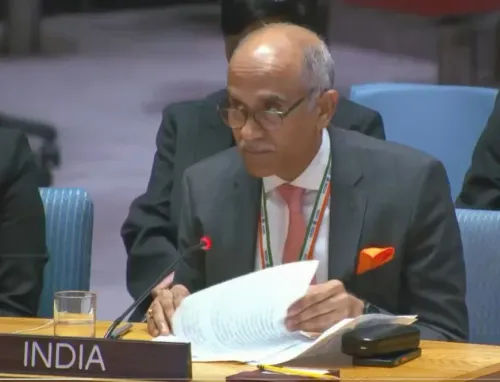
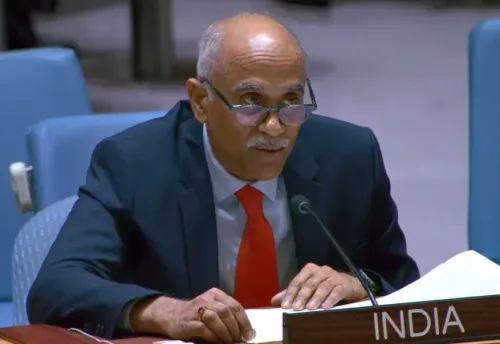
India's Permanent Representative P Harish defended FATF at a UN Counter-Terrorism Week event co-sponsored with France .
He said attempts to question FATF's credibility 'often reflect fear of scrutiny' — a remark widely seen as directed at Pakistan .
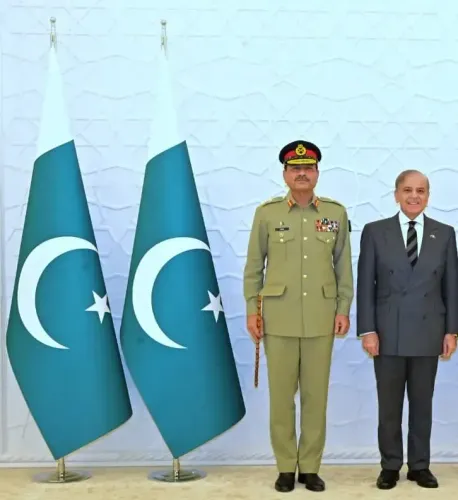
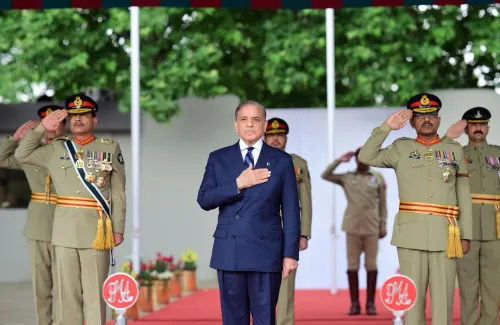
Pakistan had accused FATF of being politically weaponised after being placed on its 'grey list' of increased-monitoring countries.
Despite its opposition, Pakistan complied with FATF conditions under international pressure and continues to be monitored by FATF and the Asia/Pacific Group on Money Laundering (APG) .
India outlined its own FATF-aligned steps, including bringing virtual asset service providers under its anti-money laundering framework.
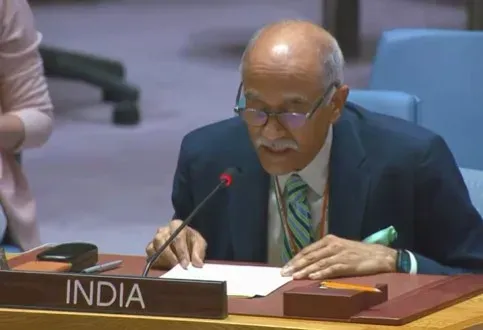
India's Permanent Representative to the United Nations, P Harish, on Monday mounted a firm defence of the Financial Action Task Force (FATF) at a UN event in New York, saying attempts to undermine the body's credibility 'often reflect fear of scrutiny rather than genuine process-related concerns.' The remarks came during UN Counter-Terrorism Week and were widely understood as a pointed response to Pakistan's longstanding campaign against the global anti-terror financing watchdog.
India's Stand at the UN
Speaking at an event co-sponsored by India and France on 'Joining Forces to Counter Terrorism Financing in the Context of Evolving Threats and Emerging Technologies,' Harish described FATF as 'an indispensable pillar of the global counterterrorism financing and anti-money laundering architecture.' While he stopped short of naming Pakistan directly, the diplomatic subtext was unmistakable.
'Our history shows that critical terrorist financing risks have not emerged anonymously,' he said. 'They have been sponsored, including by some state actors.' He added that the answer to FATF scrutiny 'is not politicised activism in UN forums, but credible compliance.'
The Pakistan Context
Pakistan has repeatedly accused FATF of being politically weaponised, particularly after it was placed on the body's 'grey list' — a designation that subjects countries to increased monitoring for deficiencies in combating terror financing and money laundering. Despite its public opposition, Pakistan eventually agreed, under sustained international pressure and the threat of financial strictures, to meet FATF's conditions to be removed from the grey list, though it continues to be monitored by FATF and its affiliate, the Asia/Pacific Group on Money Laundering (APG).
Harish's message to such states was unambiguous: 'Countries facing adverse assessments should address the deficiencies identified, strengthen domestic enforcement, improve financial transparency, and demonstrate irreversible action against terror financing networks.'
India's Own Counterterrorism Financing Record
'For decades now, my country, India, has confronted cross-border terrorism, and new digital technologies are only making the sources, the methods, and channels used for the flow of assets more complex,' Harish said. He outlined several steps India has taken in line with FATF standards, including bringing virtual asset service providers within its anti-money laundering framework and tightening verification requirements for centralised exchanges and users.
India has also contributed case studies to FATF updates and shared best practices to mitigate terror financing risks, he noted, underscoring the country's cooperative posture with the body.
What FATF Does and Why It Matters
The 40-member FATF leads global action against terrorism funding, money laundering linked to drug trafficking and illegal arms trade, and cyber fraud. It sets international standards for preventive action and monitors countries to ensure they do not become havens for illicit financial activity. Its technical assessments — described by Harish as 'evidence-based and rooted in internationally accepted standards' — carry significant economic consequences for listed nations, including restricted access to international financial systems.
What Comes Next
India's public defence of FATF at the UN signals a broader diplomatic strategy: using multilateral forums to hold accountable states that allegedly sponsor cross-border terrorism while simultaneously showcasing New Delhi's own compliance credentials. As emerging technologies continue to complicate terror financing channels, pressure on nations still under FATF monitoring — including Pakistan via the APG — is unlikely to ease.
Point of View
Not a legitimate procedural grievance. What mainstream coverage misses is that India is simultaneously playing offence and defence here — defending FATF's architecture while building a multilateral record that positions New Delhi as a responsible actor on terror financing. With Pakistan still under APG monitoring and FATF's digital-asset standards tightening globally, the compliance pressure on Islamabad is structural, not episodic.
NationPress
29 Sept 2026
Frequently Asked Questions
Why did India defend FATF at the United Nations?
India defended FATF at the UN's Counter-Terrorism Week to counter what it described as politically motivated attacks on the body, widely attributed to Pakistan. India's envoy P Harish argued that FATF's work is technical and evidence-based, and that countries facing adverse assessments should comply rather than challenge the body's credibility in multilateral forums.
What is the FATF grey list and why was Pakistan placed on it?
The FATF grey list, formally called the list of 'jurisdictions under increased monitoring,' flags countries with strategic deficiencies in combating terror financing and money laundering. Pakistan was placed on it due to concerns about inadequate action against terror financing networks operating from its territory, and it remained listed until it met FATF's prescribed conditions under international pressure.
What did India's UN envoy P Harish say about state-sponsored terrorism?
Harish said that 'critical terrorist financing risks have not emerged anonymously' and have been 'sponsored, including by some state actors.' He called on states that allow their territory or financial channels to be misused for terrorism to 'stop exporting instability and start fulfilling their obligations towards international peace and security.'
What steps has India taken to comply with FATF standards?
India has brought virtual asset service providers within its anti-money laundering framework and tightened verification requirements for centralised exchanges and users. It has also contributed case studies to FATF updates and shared best practices to help mitigate terror financing risks globally.
Is Pakistan still being monitored by FATF?
Yes. Although Pakistan was removed from FATF's grey list after agreeing to meet the body's conditions, it continues to be monitored by FATF and its regional affiliate, the Asia/Pacific Group on Money Laundering (APG).