India Highlights Energy Security, Diaspora Safety in UNSC Resolution Co-Sponsorship
Synopsis
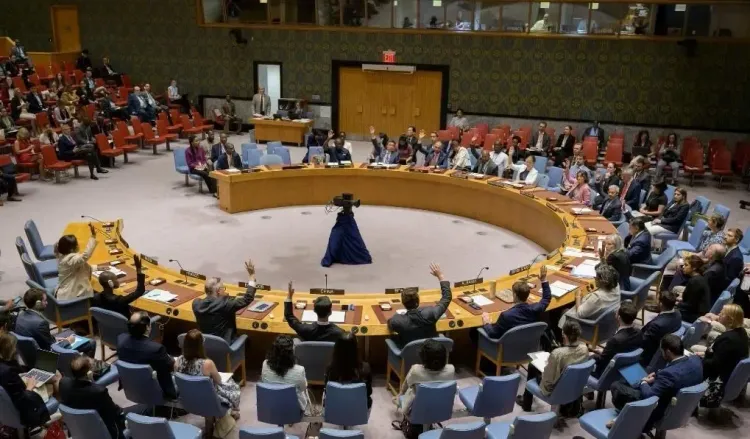
India has co-sponsored a GCC-led resolution at the UNSC, emphasizing the welfare of its large diaspora and the critical need for energy security. This resolution reflects India’s commitment to prioritizing the safety of civilians amid ongoing regional conflicts.
Key Takeaways
India's Co-Sponsorship: India has co-sponsored a GCC-led UNSC resolution for diaspora welfare.
Energy Security: The Gulf region is crucial for India's energy needs.
International Support: 135 countries have backed the resolution.
Condemnation of Aggression: The resolution condemns Iranian military actions against GCC states.
Safety of Civilians: Emphasis on prioritizing civilian safety amidst conflict.
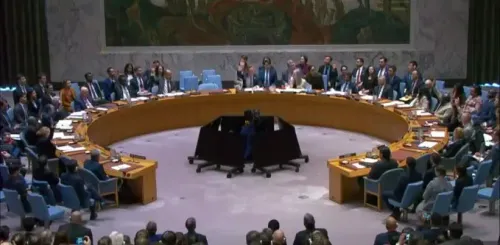
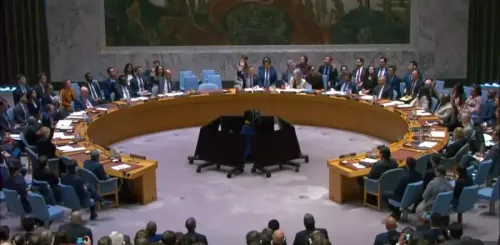
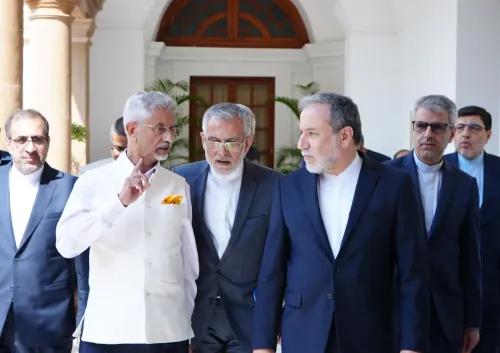
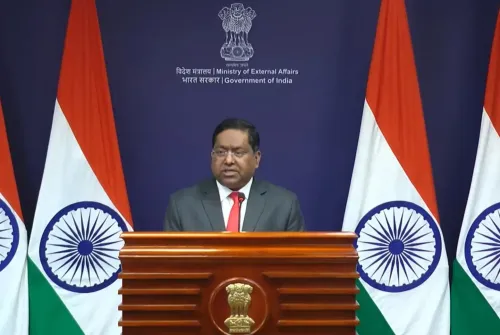
New Delhi, March 12 (NationPress) - The Ministry of External Affairs (MEA) announced on Thursday that India has co-sponsored a resolution led by the Gulf Cooperation Council (GCC) at the United Nations Security Council (UNSC), focusing on the welfare and safety of the significant Indian diaspora residing in the GCC nations.
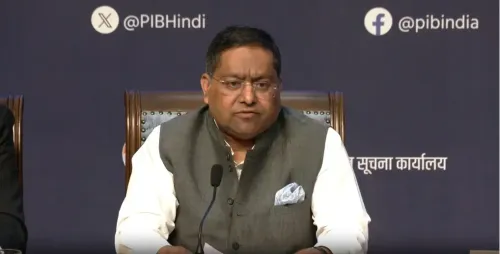
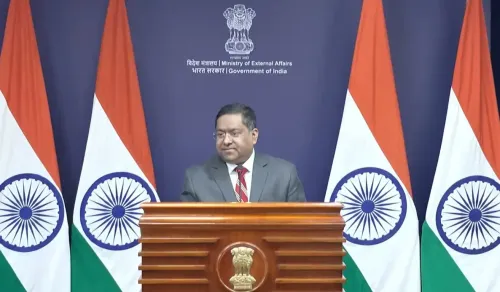
During a weekly media briefing, MEA spokesperson Randhir Jaiswal emphasized that India has made multiple statements regarding the ongoing conflict in West Asia, highlighting the importance of ensuring the safety of all individuals.
Jaiswal stated, "Indeed, we have co-sponsored the GCC-led resolution at the UN Security Council. A total of 135 countries have endorsed this resolution, which aligns with our stance on the well-being of our vast diaspora in the GCC region. Furthermore, the Gulf is crucial for our energy security needs."
He continued, "We have released statements on February 28th and March 3rd, and the External Affairs Minister also made a suo moto statement in Parliament addressing various issues. Our statements on the ongoing conflict reiterate the necessity of prioritizing civilian safety. We mourn the loss of precious lives and express our condolences in this regard."
Earlier on the same day, Jasem Mohamed Albudaiwi, Secretary General of the GCC, welcomed the UNSC resolution that condemned the "treacherous Iranian military operations" against the GCC states and the Hashemite Kingdom of Jordan.
Albudaiwi noted that the resolution's adoption by 136 states reflects the international community’s strong stance against Iranian aggressions threatening the sovereignty of GCC member states and Jordan. He reaffirmed the legal right to self-defense as per Article 51 of the UN Charter, allowing for necessary measures to safeguard sovereignty, security, and stability.
He pointed out that this international condemnation, achieved through unprecedented consensus, serves as clear evidence of Iran’s violations of international laws and norms by targeting civilians and civilian infrastructure across the Council states and Jordan.
The GCC Secretary General further explained that the Security Council resolution strongly supports the territorial integrity, sovereignty, and political independence of all GCC states and Jordan. It also underscores the strategic significance of the Gulf region for international peace and security, as well as its vital role in global economic stability, while reaffirming the right of navigation for vessels traveling to and from the ports of coastal states not involved in hostilities.
Bahrain's Permanent Representative, Jamal Fares Alrowaiei, reported that the GCC nations have collectively intercepted over 954 Iranian missiles, 2,500 drones, and 17 aircraft while moving toward a Security Council condemnation of Tehran.
He remarked that the attacks on the six-member GCC states are "disrupting trade and maritime routes, impacting both regional and international economies, affecting everyone."
According to him, the Iranian attacks targeted "residential areas, food distribution centers, airports, ports, energy installations, and critical civilian infrastructure," he said, addressing reporters alongside other GCC diplomats outside the Council chambers on Wednesday (local time).
Point of View
India's proactive stance in co-sponsoring the GCC-led resolution signifies its commitment to safeguarding its diaspora's interests and ensuring energy security. This move is critical, given the ongoing conflicts in West Asia and the potential risks posed to civilians and regional stability.
NationPress
29 Sept 2026
Frequently Asked Questions
What is the main focus of the GCC-led resolution co-sponsored by India?
The resolution primarily focuses on the welfare and safety of the Indian diaspora in GCC countries, while also addressing the region's energy security needs.
How many countries have co-sponsored the resolution?
A total of 135 countries have co-sponsored the GCC-led resolution at the United Nations Security Council.
What concerns does the resolution address regarding Iranian military operations?
The resolution condemns Iranian military operations against GCC states and Jordan, emphasizing the legal right to self-defense for the affected nations.
What did Bahrain's Permanent Representative report about Iranian missile interceptions?
Bahrain's Permanent Representative reported that GCC countries have intercepted over 954 Iranian missiles, 2,500 drones, and 17 aircraft.
What is the significance of the Gulf region according to the resolution?
The resolution highlights the Gulf's strategic importance for international peace and security, as well as its vital role in global economic stability.