India-Canada defence ties: Maritime cooperation, capacity-building on agenda
Synopsis
India and Canada are moving beyond diplomatic pleasantries. With defence and maritime cooperation now formally on the table — backed by four Modi-Carney meetings in under a year, a Jaishankar-Anand dialogue in Manila, and a High Commissioner-level defence meeting in Ottawa — the bilateral reset is gaining real institutional traction.
Key Takeaways
India's High Commissioner Dinesh K.
Patnaik met Canadian Defence Minister David McGuinty in Ottawa on 28 July to discuss maritime cooperation and defence capacity-building.
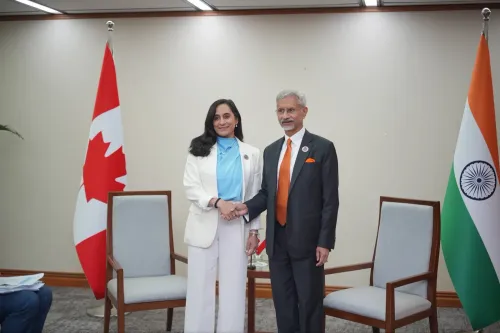
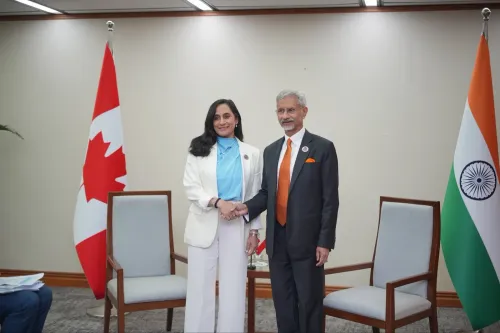
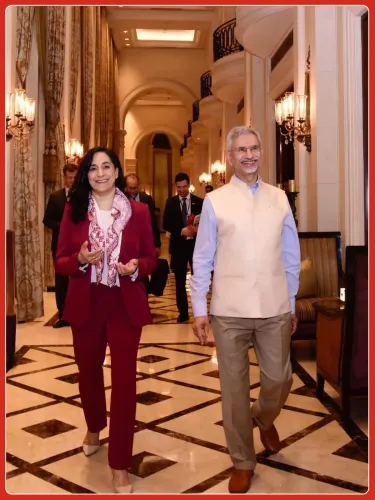
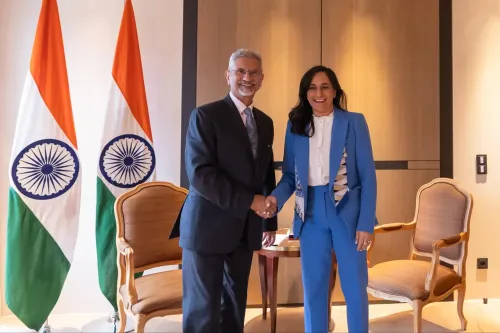
Jaishankar met Canadian Foreign Minister Anita Anand in Manila the previous week, describing bilateral cooperation as 'steadily growing'.
PM Modi and PM Mark Carney held their fourth bilateral meeting in under a year on the sidelines of the G7 Summit in Evian, France .
Discussions at all levels covered trade, energy, technology, people-to-people ties , and now defence and maritime cooperation .
The two nations maintain structured dialogue mechanisms including Strategic, Trade and Energy dialogues and multiple joint working groups .
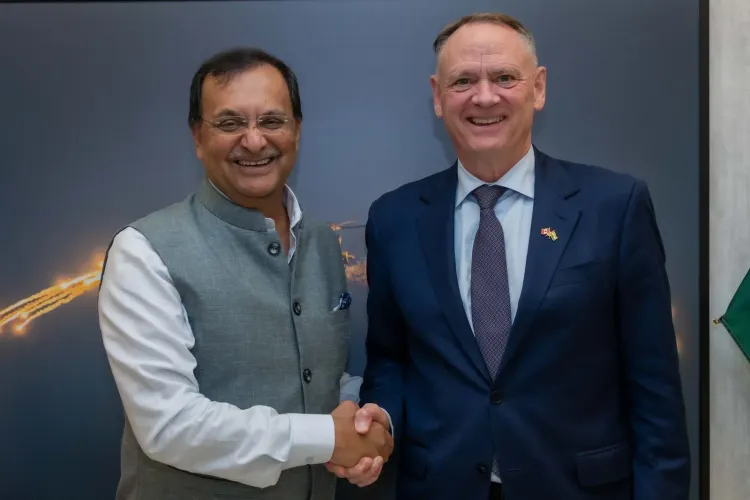
India and Canada have agreed to deepen defence cooperation, with maritime collaboration, defence capacity-building, and training at the centre of discussions held on Tuesday, 28 July in Ottawa. The talks took place between India's High Commissioner to Canada, Dinesh K. Patnaik, and Canadian Minister of National Defence David McGuinty, according to the Indian High Commission in Canada.
Key Developments from the Ottawa Meeting
The two sides focused on strengthening maritime cooperation and advancing defence capacity-building and training frameworks. Both delegations reaffirmed a shared commitment to promoting peace, stability, and stronger bilateral engagement, the Indian High Commission said.
Notably, the Ottawa meeting follows a pattern of accelerating high-level engagement between the two nations — this is not an isolated dialogue but part of a structured diplomatic reset.
Jaishankar-Anand Talks in Manila
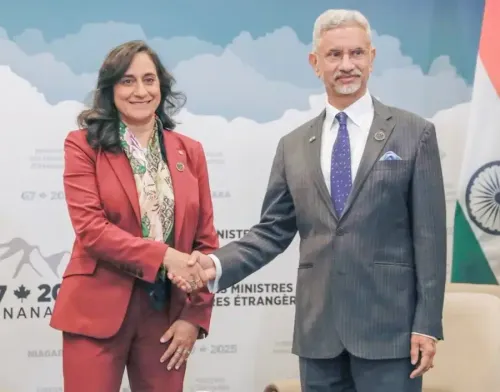
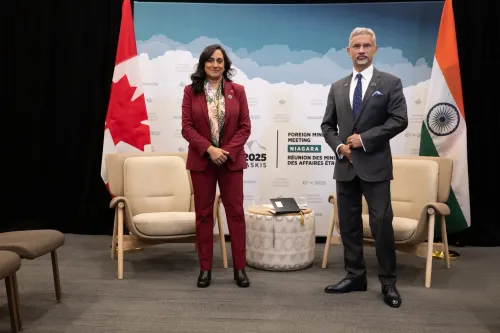
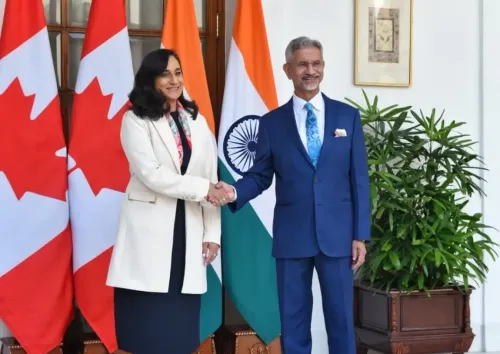
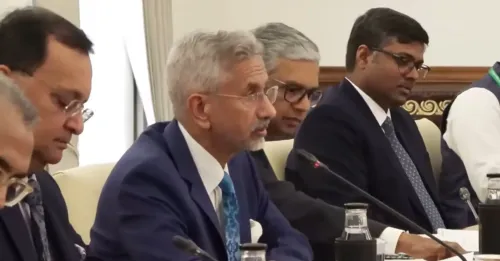
The defence-level meeting builds on External Affairs Minister S. Jaishankar's recent engagement with his Canadian counterpart, Foreign Minister Anita Anand, in Manila last week. Jaishankar described the bilateral momentum as steady and purposeful.
'Appreciate the discussion with Canada FM Anita Anand this afternoon. India-Canada cooperation has been steadily growing. Our conversation focused on achieving the goals for the relationship set by our Prime Ministers,' EAM Jaishankar posted on X.
Modi-Carney Meeting at G7 in Evian
Last month, Prime Minister Narendra Modi and Canadian Prime Minister Mark Carney held a bilateral meeting on the sidelines of the G7 Summit in Evian, France — their fourth meeting in under a year. The leaders reviewed the full range of bilateral relations, covering trade and economy, energy, technology, and people-to-people ties.
'It was a delight to meet Prime Minister Carney on the sidelines of the Evian G7 Summit. In less than a year, it is our fourth meeting, indicating our commitment to strong India-Canada ties,' Modi wrote on X.
Institutional Framework Underpinning the Ties
India-Canada relations are anchored in shared democratic values and the rule of law, supported by official dialogue mechanisms including ministerial-level Strategic, Trade and Energy dialogues, Foreign Office Consultations, a Joint Committee Meeting on Environment, and several sector-specific joint working groups (JWGs). The frequency and seniority of recent engagements suggest both sides are actively working to translate political goodwill into operational cooperation.
What Comes Next
With defence and maritime cooperation now explicitly on the bilateral agenda, analysts will watch for concrete outcomes — joint exercises, training programmes, or formal defence agreements — that can give institutional weight to the diplomatic momentum built over the past several months.
Point of View
Followed by defence-level talks in Ottawa, signals that both governments have made a deliberate political choice to compartmentalise the unresolved diplomatic friction and rebuild functional ties. The real question is whether maritime and defence cooperation can be operationalised — joint exercises, training agreements, formal MoUs — or whether this remains a run of high-optics meetings without binding outcomes. India's defence partnerships in the Indo-Pacific are deepening on multiple fronts; Canada's value-add will need to be specific and credible to hold its place in that architecture.
NationPress
28 Jul 2026
Frequently Asked Questions
What did India and Canada discuss in Ottawa on 28 July?
India's High Commissioner Dinesh K. Patnaik and Canadian Defence Minister David McGuinty discussed strengthening maritime cooperation, advancing defence capacity-building and training, and deepening overall India-Canada defence ties. Both sides also reaffirmed a shared commitment to peace and stability.
What did EAM Jaishankar discuss with Canada's Anita Anand in Manila?
External Affairs Minister S. Jaishankar met Canadian Foreign Minister Anita Anand in Manila and said their talks focused on achieving the bilateral goals set by Prime Ministers Modi and Carney. Jaishankar described India-Canada cooperation as 'steadily growing' in a post on X.
How many times have PM Modi and PM Carney met?
Prime Ministers Narendra Modi and Mark Carney have met four times in under a year, including a bilateral on the sidelines of the G7 Summit in Evian, France, where they reviewed trade, energy, technology, and people-to-people ties.
What institutional mechanisms support India-Canada relations?
The two countries maintain several formal dialogue channels, including ministerial-level Strategic, Trade and Energy dialogues, Foreign Office Consultations, a Joint Committee Meeting on Environment, and multiple sector-specific joint working groups.
Why is the India-Canada defence engagement significant now?
The renewed defence and maritime dialogue marks a notable shift after a period of diplomatic strain. The frequency of high-level meetings in 2025 suggests both governments are actively working to rebuild and institutionalise bilateral ties across multiple domains.