Jaishankar in Warsaw: India in talks with Russia, Ukraine to end war
Synopsis
India's External Affairs Minister Jaishankar has laid out a striking diplomatic itinerary — Moscow, Bishkek, Kyiv, and Warsaw in rapid succession — signalling that New Delhi is quietly positioning itself as a back-channel between Russia and Ukraine. His blunt defence of Russian oil purchases as an energy security imperative for 1.4 billion Indians, not a geopolitical endorsement, is the sharpest articulation yet of India's strategic autonomy doctrine in the context of the war.
Key Takeaways
Jaishankar confirmed India is in continuous contact with both Russia and Ukraine , exploring ideas to help end the conflict.
PM Modi met President Putin in Bishkek three days before Jaishankar's Warsaw press conference; Jaishankar also visited Kyiv and Moscow in the same period.
Jaishankar rejected linking India's purchase of Russian oil to the conflict, citing energy security needs of 1.4 billion Indians.
He said the war — now in its fifth year — will end through diplomacy and negotiation, not trade decisions.
India and Poland discussed the safety of Indian and Polish mariners in the Persian Gulf , where nationals have been stranded and kidnapped.
Jaishankar reaffirmed India's firm support for legal, regulated mobility of workers abroad and opposition to irregular migration.
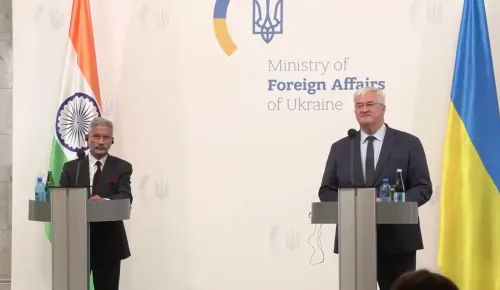
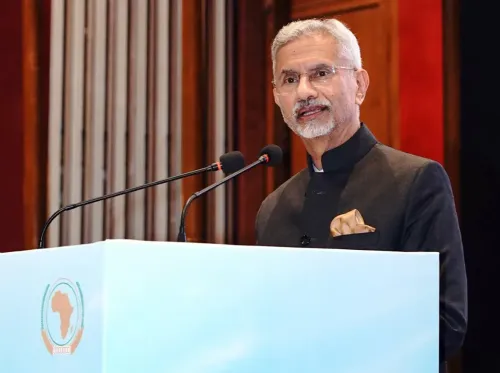
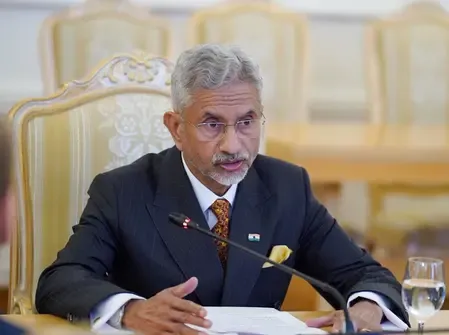
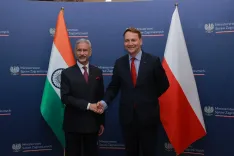
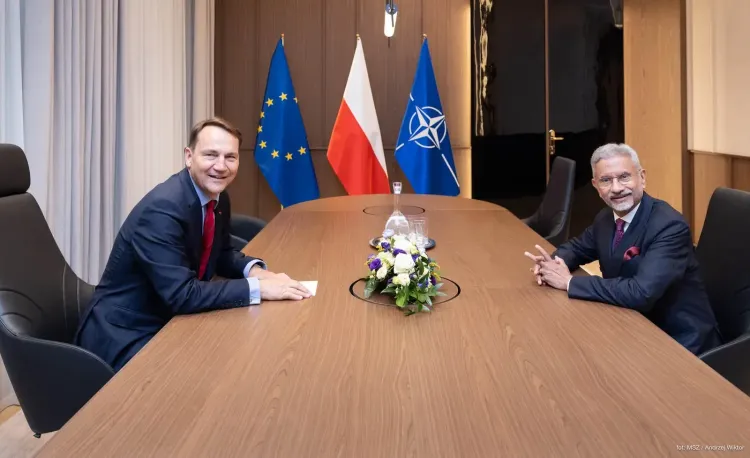
External Affairs Minister S. Jaishankar on Friday, 4 September said India has maintained uninterrupted engagement with both Ukraine and Russia, actively exploring ideas that could de-escalate the conflict and ultimately bring it to an end. Jaishankar made the remarks at a joint press conference with Polish Foreign Minister Radosław Sikorski in Warsaw, where the two sides discussed the war, maritime security, and the movement of Indian workers in Europe.
India's Diplomatic Outreach
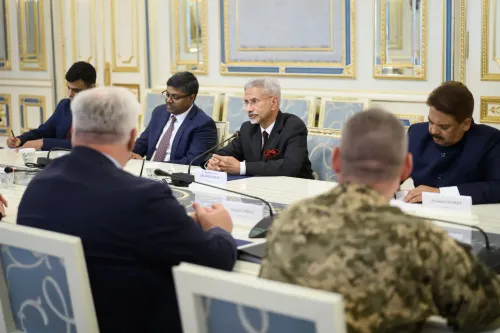
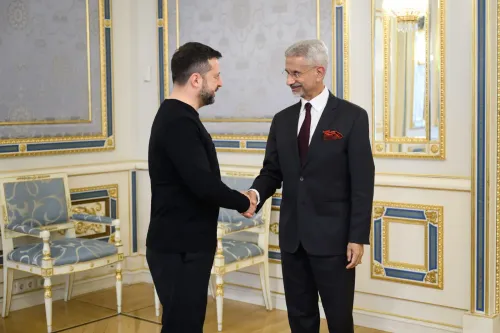
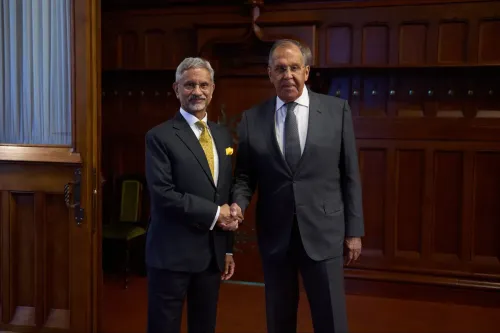
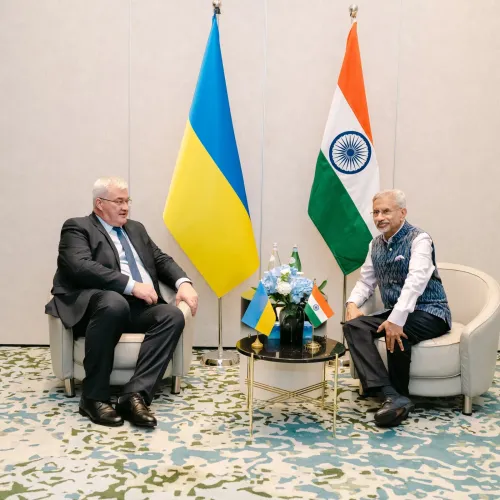
Jaishankar outlined a recent flurry of high-level contacts: he himself had visited Moscow days earlier, Prime Minister Narendra Modi and President Vladimir Putin had met in Bishkek three days prior, and Jaishankar had then travelled to Kyiv for detailed discussions with the Ukrainian side.
'What we had were discussions, fairly detailed discussions with the Russian side. Yesterday, with the Ukrainian side. And what we are trying to do is to see if there are ideas and suggestions that can be developed in some way in which they would contribute to the mitigation, ideally the cessation of the conflict,' Jaishankar said, while noting he could not go into specifics beyond a point.
On Russian Oil and Energy Security
Jaishankar pushed back firmly against suggestions that India's purchase of Russian oil prolongs the conflict, reiterating that 1.4 billion Indians have energy security needs that cannot be subordinated to geopolitical pressure. He argued that the war — now in its fifth year — will not end because of trade choices.
'This conflict is not going to end because somebody chose to or not buy oil or alumina or fertilisers or metals and minerals. It will end when there is diplomacy, when there is dialogue, when there is negotiation,' he said. Sikorski, responding to the same question, acknowledged: 'Our preferences are well known, but I think the minister has explained his reasons eloquently.'
Legal Migration and Worker Protection
On the question of whether India and Poland are doing enough to protect Indian workers from exploitation and ensure recruitment through legal channels, Jaishankar said New Delhi has a clear and consistent position: it supports only legal, regulated mobility and opposes irregular migration without exception.
'Without exception, in every destination we actually strongly, firmly, and unambiguously support legalised mobility of people. In fact, with a lot of countries, including in Europe, we have concluded bilateral agreements precisely for that purpose,' he said. He added that India does not support illegal or irregular migration in any form.
Maritime Safety in the Persian Gulf
Sikorski raised an issue of shared concern: the safety of Indian and Polish mariners serving on ships in the Persian Gulf, some of whom have been stranded, attacked, or kidnapped. He noted that both nations have nationals exposed to these risks and that maritime security on the high seas is a common priority for India and Poland.
'Our people are often targeted and are sometimes kidnapped in some places. So, safety and security on the high seas is a common concern to both of our countries,' Sikorski said. The discussion signals a broadening of the India-Poland bilateral agenda beyond trade to include security and diaspora welfare.
What Comes Next
India's active shuttle diplomacy — spanning Moscow, Bishkek, Kyiv, and now Warsaw — positions New Delhi as one of the few major powers maintaining open lines with both sides of the conflict. Whether the ideas being explored will translate into a formal mediation framework remains to be seen, but Jaishankar's Warsaw appearance underscores India's intent to remain a consequential voice in any eventual peace process.
Point of View
Bishkek, Kyiv, Warsaw in rapid succession — is not incidental; it is a calculated assertion that New Delhi intends to be in the room when any peace framework takes shape. Yet the gap between diplomatic visibility and mediation outcomes is wide. Jaishankar's defence of Russian oil purchases is legally and economically coherent, but it leaves India exposed to the criticism that strategic autonomy, in practice, tilts toward Moscow. The harder question mainstream coverage is not asking: what specific proposals is India carrying between the two capitals, and are either side treating New Delhi as more than a useful messenger?
NationPress
4 Sept 2026
Frequently Asked Questions
What did EAM Jaishankar say about India's role in the Russia-Ukraine war?
Jaishankar said India has maintained continuous engagement with both Russia and Ukraine, exploring ideas that could contribute to de-escalation and eventually the cessation of the conflict. He confirmed visits to both Moscow and Kyiv in the days preceding his Warsaw press conference.
Why does India continue to buy Russian oil despite the war?
Jaishankar argued that India has a responsibility to meet the energy security needs of its 1.4 billion citizens in a difficult global energy environment. He rejected the suggestion that trade choices — buying or not buying oil, alumina, or fertilisers — will determine when the war ends, saying only diplomacy and negotiation can do that.
What did PM Modi and President Putin discuss in Bishkek?
The source indicates that PM Modi and President Putin met in Bishkek three days before Jaishankar's Warsaw press conference, as part of India's broader engagement with both sides of the conflict. Specific details of that meeting were not disclosed by Jaishankar, who said he could not go into specifics beyond a point.
What did India and Poland agree on regarding Indian workers in Europe?
Jaishankar reaffirmed that India unambiguously supports legal and regulated mobility of workers and has signed bilateral agreements with several European countries for that purpose. He said India does not support illegal or irregular migration in any form.
Why did India and Poland discuss Persian Gulf maritime safety?
Polish Foreign Minister Sikorski noted that both Indian and Polish nationals serve as mariners on ships in the Persian Gulf that can be stranded, attacked, or have crew members kidnapped. He described maritime safety on the high seas as a common concern for both countries.