Is India Really Cutting Down on Russian Oil Purchases?
Synopsis
In light of the ongoing conflict in Ukraine, India is reportedly reducing its Russian oil imports while diversifying its energy sources. This shift aligns with US goals, as lawmakers raise concerns over the impact of Russian oil sales on the war's financing. What does this mean for US-India relations?
Key Takeaways
India is decreasing its Russian oil purchases.
US lawmakers express concerns about financing the Ukraine war.
India is diversifying its energy imports, including more US energy.
The enforcement of sanctions presents significant challenges.
This situation underscores complex US-India relations amid geopolitical tensions.
Washington, Feb 12 (NationPress) The United States has asserted that India is decreasing its acquisition of Russian oil and is actively diversifying its energy sources, as lawmakers questioned the State Department regarding the challenges of enforcing sanctions related to Moscow's ongoing conflict in Ukraine.
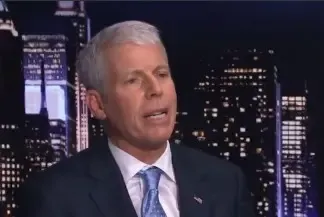
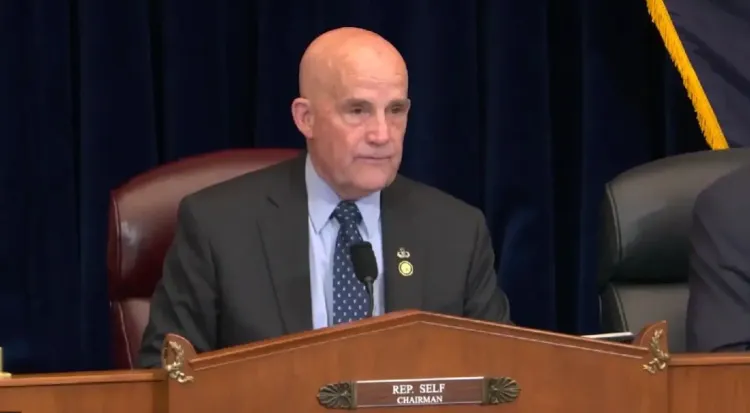
During a House subcommittee meeting focused on South and Central Asia on Wednesday (local time), Republican Representative Keith Self expressed concerns that ongoing Russian oil transactions are financially supporting the war.
"The sale of Russian oil continues to finance the Ukraine war," Self stated, inquiring how Washington intends to ensure compliance if India commits to reducing its imports.
"Does that include third-party traders, blended cargo, ship-to-ship, ghost ships?" he questioned, alluding to methods used to disguise the origins of energy supplies.
Paul Kapur, Assistant Secretary of State for South and Central Asian Affairs, noted that enforcement challenges would be outside his bureau's purview, though he recognized the larger issue at hand.
"I don't possess the specifics of how this will be addressed. I'm eager to maintain communication with you about it," Kapur remarked.
Nevertheless, he highlighted the noticeable shift in India's energy procurement strategy.
"India has been reducing its purchases of Russian oil and diversifying its options, which aligns with our objectives," Kapur noted.
"They've indeed been increasing their purchases of US energy," he added.
Kapur proposed that substituting US energy supplies could present a positive avenue moving forward.
"I believe a promising opportunity lies in replacing some Russian energy with US energy, along with sourcing from other global suppliers as well," he stated.
Self contended that the complexities of enforcement could weaken the effectiveness of sanctions.
"We have credible reports … indicating that Russia sold energy to India, which was subsequently exported to Europe," he warned, cautioning that indirect trade could undermine Western attempts to limit Moscow's revenue streams.
This dialogue highlighted the sensitive nature of US-India relations, as Washington aims to bolster trade and defense collaboration while encouraging New Delhi to reduce its dependence on discounted Russian oil. However, India has yet to offer any formal statements regarding this matter.
Historically, India has upheld a stance of strategic autonomy in its foreign policy and energy procurement, despite strengthening ties with Washington through the Quad and various Indo-Pacific initiatives.
Kapur refrained from providing specific figures but framed India's diversification as consistent with US goals.
This situation underscores the broader geopolitical dynamics influencing US engagement in South Asia—strengthening alliances with India while navigating the global implications of the Ukraine crisis and the enforcement of sanctions.
Since the onset of Russia's invasion of Ukraine in 2022, Western nations have imposed extensive sanctions on Moscow's energy exports.
In the early stages of the conflict, India ramped up its purchases of discounted Russian crude, citing energy security concerns, but has faced ongoing diplomatic pressure from the United States and European allies to diversify its energy sources.
Point of View
I recognize the significance of India's energy diversification in the context of geopolitical tensions. The US's expectations for India to reduce reliance on Russian oil reflect a broader strategy to realign global energy supply chains. While this shift presents opportunities for collaboration, it also underscores the complexities of maintaining strategic autonomy in foreign policy. Our ongoing commitment is to provide insightful analysis and updates on this evolving situation.
NationPress
3 Oct 2026
Frequently Asked Questions
What is the current status of India's oil imports from Russia?
India is reportedly reducing its purchases of Russian oil and diversifying its energy imports, according to claims from the United States.
Why is the US concerned about India's oil purchases?
The US lawmakers are concerned that ongoing Russian oil sales are financing the war in Ukraine.
How is India responding to US pressure regarding oil imports?
India has historically maintained strategic autonomy in its foreign policy but is reportedly exploring diverse energy sources, including increased purchases of US energy.
What are the enforcement challenges related to Russian oil sanctions?
Lawmakers have raised questions about compliance, especially concerning third-party traders and mechanisms that obscure energy origins.
What implications does this situation have for US-India relations?
The dialogue highlights the delicate balance in US-India relations, as Washington seeks to strengthen ties while encouraging India to reduce reliance on discounted Russian crude.