Concerns Rise in Pakistan Over India-EU Trade Agreement Impact on Textile Sector
Synopsis
The recent India-EU trade agreement has raised serious concerns in Pakistan about the potential negative impact on its textile industry and millions of jobs. As India gains tariff-free access, the stakes for Pakistan's economy rise dramatically.
Key Takeaways
India gains tariff-free access to the EU market.
Pakistan fears job losses in the textile sector.
EU imports account for 27% of Pakistan 's exports.
Potential export losses estimated at $1.5 billion .
Internal challenges may weaken Pakistan 's competitiveness.
New Delhi, March 2 (NationPress) The newly established free trade agreement between India and the European Union has raised alarms in Pakistan, as industry leaders express fears that it may adversely impact the nation's textile industry and jeopardize millions of jobs, according to a report.
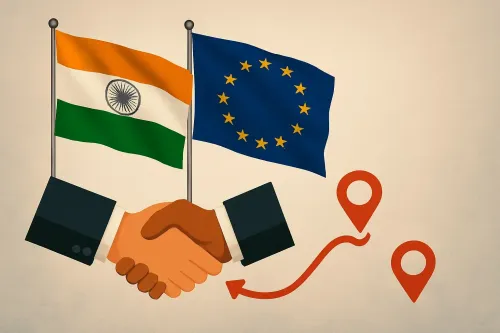
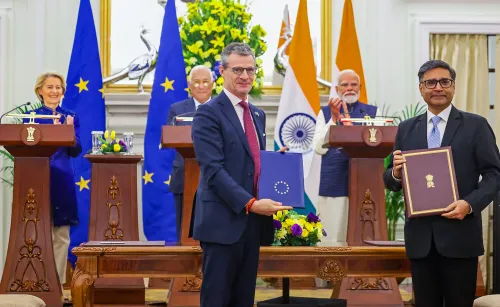
Announced on January 27, the India-EU Free Trade Agreement followed extensive negotiations between New Delhi and the European Union.
The agreement is currently undergoing a legal review before it is officially signed, with expectations for it to take effect next year.
Under this deal, India is set to gain extensive tariff-free access to the European market, including textiles and apparel.
This news has sparked significant anxiety in Pakistan, whose economy is heavily reliant on exports to Europe.
Trade statistics indicate that EU member nations import nearly $8.8 billion worth of Pakistani goods annually, constituting about 27 percent of the country’s total exports.
Out of this, approximately $7 billion derives from textiles. In contrast, India exports a smaller portion of its goods to the EU, rendering Pakistan more vulnerable to any shifts in European sourcing strategies, as highlighted by the Assahifa report.
Since 2014, Pakistan has benefitted from substantial trade advantages under the EU’s Generalised Scheme of Preferences Plus (GSP+), which offers duty-free access to various products in exchange for commitments concerning labor rights, human rights, and governance standards.
Currently, Pakistan enjoys duty-free access on around 66 percent of EU tariff lines.
However, once the India-EU FTA is enacted, India is anticipated to obtain tariff-free access across all textile and apparel categories, thereby diminishing Pakistan’s previous price advantage in the European market.
Industry analysts caution that even a minor shift by European buyers towards Indian suppliers could have dire implications for Pakistan.
Projections suggest that a 15 percent reduction in Pakistan’s textile market share in the EU could lead to export losses of around $1.5 billion, according to the report.
Moreover, Pakistan faces internal challenges that may further diminish its competitive edge. Industrial electricity rates in the country are reportedly 25 to 30 percent higher than those in neighboring competitors.
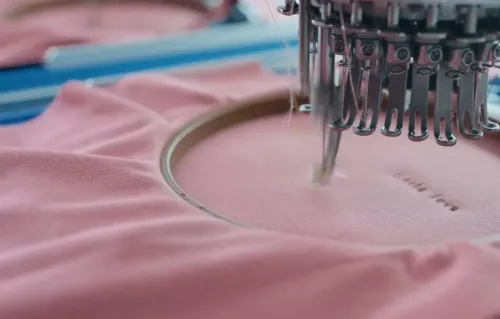
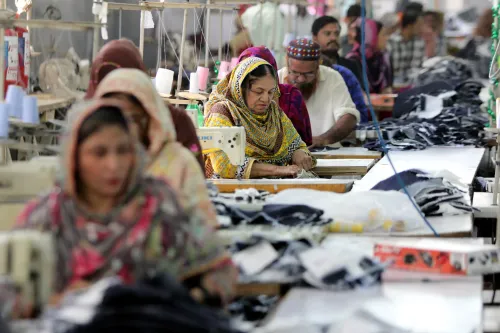
As textiles are the cornerstone of Pakistan’s export economy and are labor-intensive, some industry estimates indicate that up to 10 million jobs could be endangered if the country loses a significant portion of the EU market.
Point of View
The implications of the India-EU trade deal extend beyond mere economics; it poses serious challenges to Pakistan's textile sector and employment landscape. While India stands to benefit significantly, Pakistan must navigate the potential fallout carefully.
NationPress
19 Sept 2026
Frequently Asked Questions
What is the India-EU Free Trade Agreement?
The India-EU Free Trade Agreement is a deal that grants India extensive tariff-free access to the European market, including textiles and apparel.
How does this agreement affect Pakistan?
The agreement raises concerns in Pakistan as it may threaten the country's textile sector and millions of jobs due to increased competition.
What percentage of Pakistan's exports go to the EU?
Nearly 27 percent of Pakistan's total exports are directed to the EU, amounting to approximately $8.8 billion annually.
What is the GSP+ scheme?
The GSP+ scheme allows Pakistan to enjoy duty-free access to many EU products in exchange for commitments on labor rights and governance.
What could be the potential job losses in Pakistan's textile sector?
Industry estimates suggest that up to 10 million jobs could be at risk if Pakistan loses significant market share in the EU.