India-GCC FTA talks advance as envoy meets Secretary-General in Riyadh
Synopsis
India and the GCC are accelerating FTA talks that could reshape one of the world's most consequential bilateral trade relationships. With USD 178 billion in annual trade, 10 million diaspora members, and a Terms of Reference already signed, the Riyadh meeting signals that formal negotiating rounds are now within reach.
Key Takeaways
India's Ambassador Vipul met GCC Secretary-General Jasem Mohamed Albudaiwi in Riyadh on 24 August to discuss bilateral cooperation and FTA negotiations .
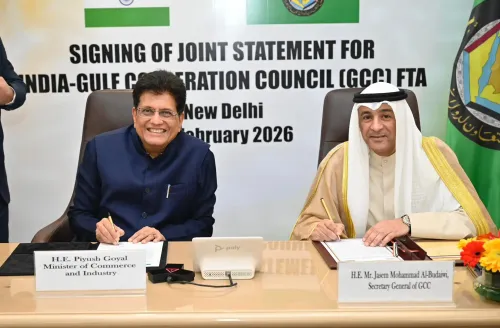
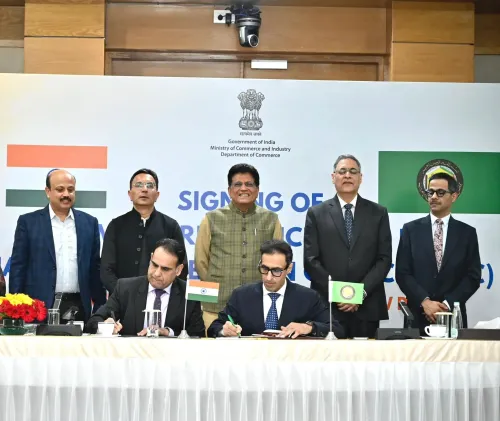
The Terms of Reference for the India-GCC FTA were signed in February in New Delhi , in the presence of Commerce Minister Piyush Goyal .
Total India-GCC trade reached approximately USD 178 billion in FY 2024–25 , according to the MEA.
Nearly 10 million members of the Indian diaspora live across the six GCC member states .
The engagement follows a two-day India-GCC Political Dialogue held in Riyadh in September 2024 , covering all pillars of the JAP 2024–2028 .
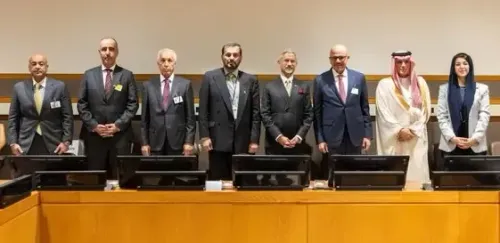
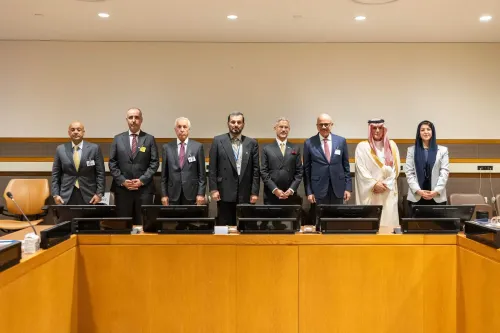
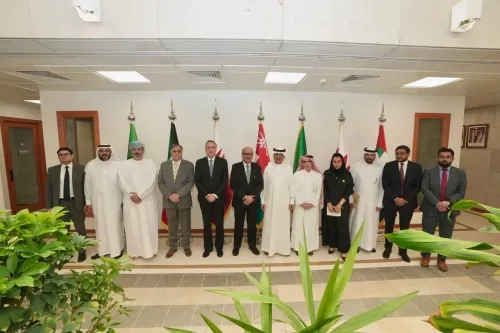
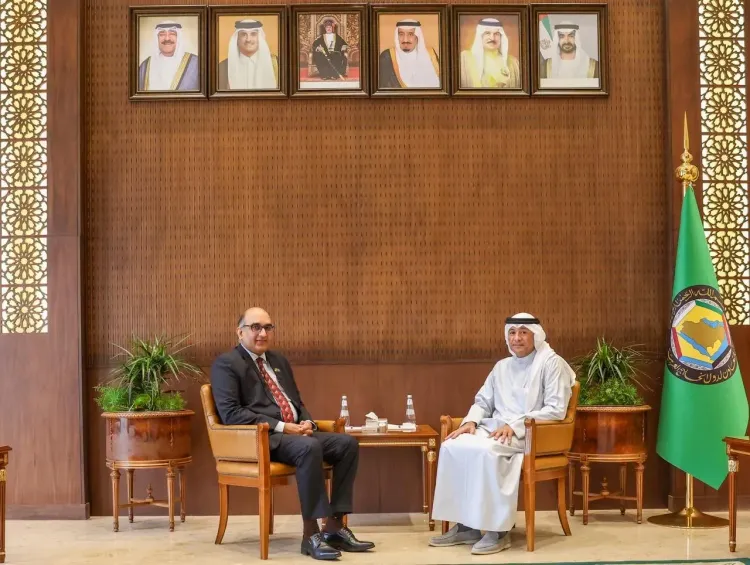
India and the Gulf Cooperation Council (GCC) held fresh discussions on bilateral cooperation on 24 August in Riyadh, with Free Trade Agreement (FTA) negotiations and high-level engagement topping the agenda. The meeting took place between India's Ambassador to Saudi Arabia, Vipul, and GCC Secretary-General Jasem Mohamed Albudaiwi.
What Was Discussed
The two sides covered the current state of India-GCC FTA negotiations, avenues for strengthening high-level engagements, and regional and global developments of mutual interest. The Indian Embassy in Saudi Arabia confirmed the meeting on X, stating that both sides 'discussed India-GCC cooperation, including FTA negotiations and strengthening high-level engagements' and 'exchanged views on regional and global developments of mutual interest.'
FTA Groundwork Already Laid
The Riyadh meeting builds on tangible progress made earlier this year. In February, India and the GCC signed the Terms of Reference (ToR) — the document that defines the scope and modalities of the FTA talks. The ToR was signed between Additional Secretary and Chief Negotiator, Department of Commerce, Ajay Bhadoo, and the GCC Secretariat General's Chief Negotiator, Raja Al Marzouqi, in the presence of Commerce and Industry Minister Piyush Goyal in New Delhi.
Broader Strategic Engagement
This latest meeting is part of a sustained diplomatic push. In September last year, the two sides held a two-day India-GCC Political Dialogue in Riyadh, covering all pillars of the India-GCC Joint Action Plan (JAP) 2024–2028 — including political dialogue, security, trade and investment, agriculture and food security, transportation, energy, health, culture, and education. Regional and international issues of mutual concern were also on the table at that meeting.
Scale of the Relationship
The economic stakes are substantial. Total trade between India and GCC countries stood at approximately USD 178 billion in FY 2024–25, according to the Ministry of External Affairs (MEA). Nearly 10 million members of the Indian diaspora reside across the six GCC member states — Bahrain, Kuwait, Oman, Qatar, Saudi Arabia, and the UAE — making people-to-people ties a key pillar of the relationship. Ties have deepened across trade, investment, energy, health, technology, and cultural exchanges in recent years.
What Comes Next
With the ToR in place and senior-level dialogue resuming, formal FTA negotiating rounds are expected to proceed in the coming months. A concluded India-GCC FTA would be one of India's most consequential trade agreements, given the scale of bilateral commerce and the size of the Indian diaspora in the Gulf region.
Point of View
And the signing of the Terms of Reference in February marked the first concrete procedural milestone in a long time. Yet the gap between ToR and a concluded agreement is wide — past India FTA negotiations, including with the EU, have stretched for over a decade. The real question is sequencing: with India's trade deficit with the GCC growing alongside the diaspora remittance dependency, New Delhi needs to balance market-opening concessions against domestic sensitivities in sectors like petrochemicals and agriculture. The 24 August meeting is a signal of intent, but the hard bargaining is still ahead.
NationPress
8 Oct 2026
Frequently Asked Questions
What did India and the GCC discuss in Riyadh on 24 August?
India's Ambassador to Saudi Arabia, Vipul, and GCC Secretary-General Jasem Mohamed Albudaiwi discussed bilateral cooperation including FTA negotiations, strengthening high-level engagements, and regional and global developments of mutual interest.
What is the India-GCC Free Trade Agreement?
The India-GCC FTA is a proposed trade agreement between India and the six-member Gulf Cooperation Council — Bahrain, Kuwait, Oman, Qatar, Saudi Arabia, and the UAE. The Terms of Reference defining the scope and modalities of negotiations were signed in February 2025 in New Delhi.
How large is India-GCC trade?
Total trade between India and GCC countries stood at approximately USD 178 billion in FY 2024–25, according to the Ministry of External Affairs. The relationship is also underpinned by nearly 10 million members of the Indian diaspora living in the GCC region.
What is the India-GCC Joint Action Plan?
The India-GCC Joint Action Plan (JAP) 2024–2028 is a framework covering cooperation across political dialogue, security, trade and investment, agriculture, energy, health, culture, and education. It was discussed during a two-day India-GCC Political Dialogue in Riyadh in September 2024.
When was the GCC established?
The GCC was established by an agreement signed in Riyadh in 1981 among Bahrain, Kuwait, Oman, Qatar, Saudi Arabia, and the UAE, based on shared geographic proximity, political systems rooted in Islamic beliefs, and common objectives.