India-GCC Free Trade Agreement talks advance, agri, pharma and services in focus
Synopsis
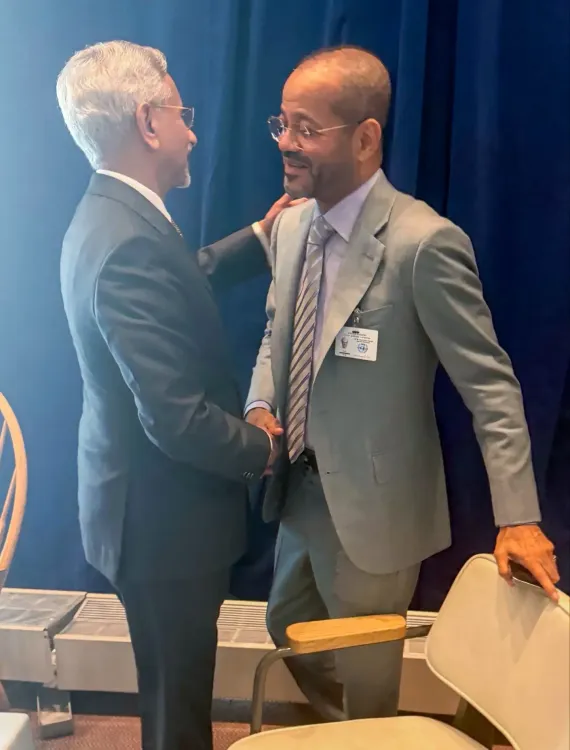
India and the GCC have moved a step closer to a landmark Free Trade Agreement, with talks held at the UNGA sidelines involving External Affairs Minister S. Jaishankar. Against a $178 billion trade backdrop and 10 million Indian diaspora in the Gulf, the deal could reshape market access for Indian agriculture, pharmaceuticals, and services at scale.
Key Takeaways
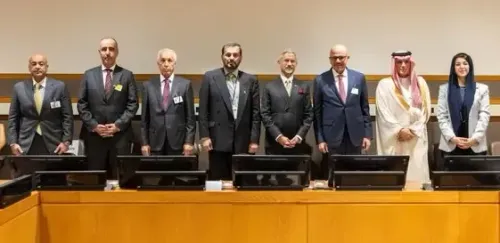
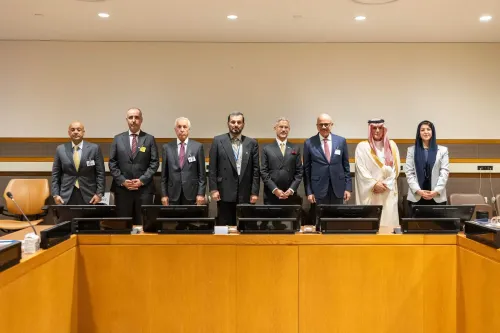
India and the GCC discussed the proposed Free Trade Agreement at the UN General Assembly sidelines in New York on 27 September 2026 .
External Affairs Minister S.
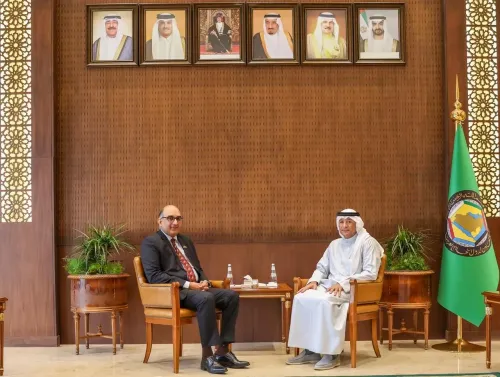
Jaishankar held talks with Saudi Minister Adel Al-Jubeir and GCC Secretary General Jasem Mohamed Albudaiwi .
India-GCC bilateral trade stood at more than $178 billion in 2025-26 .
Sectors most likely to benefit include agriculture, processed foods, pharmaceuticals, medical devices , and services .
India already has CEPAs with UAE and Oman ; a GCC-wide FTA would extend coverage to all six member states .
The UAE and Saudi Arabia rank third and fifth respectively among India's global trading partners.
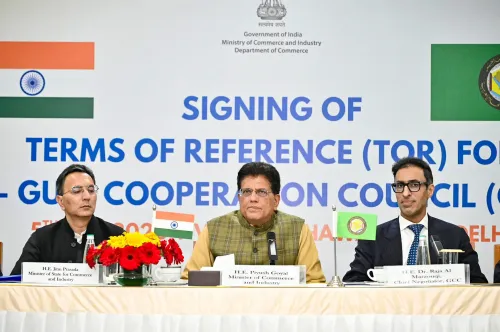
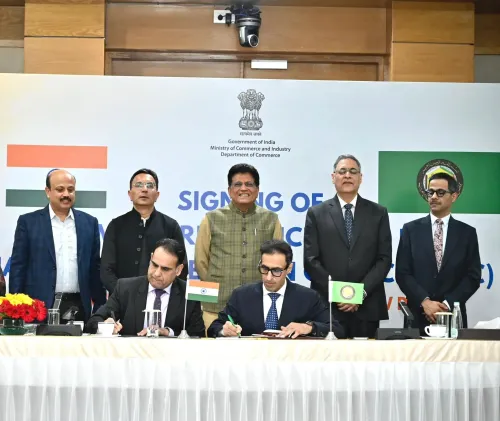
India and the Gulf Cooperation Council (GCC) are advancing negotiations toward a landmark Free Trade Agreement (FTA), with discussions held on the sidelines of the UN General Assembly in New York on 27 September 2026. The talks signal a concerted push to unlock the full potential of a bilateral trade relationship already valued at more than $178 billion in the 2025-26 fiscal year.
Key Talks and Who Was Involved
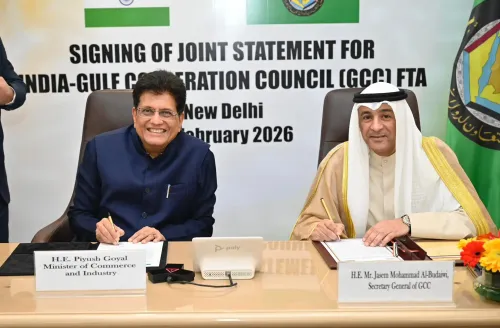
The trade discussions brought together External Affairs Minister S. Jaishankar and senior Gulf officials, including Saudi Minister of State for Foreign Affairs Adel Al-Jubeir and GCC Secretary General Jasem Mohamed Albudaiwi. Albudaiwi underscored the need to deepen collaboration across energy, technology, innovation, and digital transformation. The GCC Secretariat called the commencement of FTA negotiations 'a pivotal milestone toward broadening economic and investment horizons.'
Sectors Poised to Gain
While India's traditional export strengths — machinery, textiles, gems and jewellery — have long benefited from preferential trade access, the India-GCC FTA is expected to deliver outsized gains for agriculture and processed foods, pharmaceuticals and medical devices, and the services sector, according to reports. Greater market access, deeper supply chain integration, and expanded opportunities for Indian skilled professionals in the Gulf are among the anticipated outcomes.
Scale of the India-GCC Economic Relationship
The GCC is one of India's largest trading partner blocs. At the individual-country level, the UAE ranks third and Saudi Arabia ranks fifth among India's global trading partners. The Gulf region is also home to approximately 10 million members of the Indian diaspora, whose remittances form a significant pillar of bilateral economic ties.
Existing Agreements and What the FTA Would Add
India already holds Comprehensive Economic Partnership Agreements (CEPAs) with Oman and the UAE, both GCC members, providing a legal and institutional template for broader negotiations. A GCC-wide FTA would, however, extend preferential terms across all six member states — Saudi Arabia, UAE, Qatar, Kuwait, Bahrain, and Oman — creating a single integrated market access framework. This comes amid India's broader push to diversify and deepen its trade architecture across key partner blocs, including ongoing or concluded agreements with the EU and the UK.
What Happens Next
Formal negotiating rounds are expected to follow the high-level political signal given at the UNGA sidelines. Industry bodies and export councils are likely to be consulted on tariff schedules and non-tariff barriers, particularly in pharmaceuticals and agri-processing. The pace of negotiations will be closely watched, given that past India FTA talks — including with the EU — have taken years to conclude.
Point of View
And the UNGA sideline meeting is the strongest political signal yet that both sides are ready to move. What makes this moment different is the existing CEPA scaffolding with the UAE and Oman — negotiators have a working template. The real test will be whether India can move fast enough to avoid the institutional inertia that has stalled other major FTAs. Pharma and agri-processing are the sleeper sectors here: Gulf food security concerns post-pandemic make India a natural supply-chain partner, and Indian generic manufacturers have significant headroom if tariff and regulatory barriers ease. A deal that covers services and skilled migration meaningfully could also reshape remittance and diaspora economics at scale — an angle that mainstream coverage consistently underweights.
NationPress
27 Sept 2026
Frequently Asked Questions
What is the India-GCC Free Trade Agreement?
The India-GCC Free Trade Agreement is a proposed comprehensive trade deal between India and the six-nation Gulf Cooperation Council — Saudi Arabia, UAE, Qatar, Kuwait, Bahrain, and Oman. It aims to provide better market access for Indian exports, deeper supply chain integration, and expanded opportunities for Indian services and professionals in the Gulf.
Where and when were the latest India-GCC FTA talks held?
The talks were held on the sidelines of the UN General Assembly in New York on 27 September 2026. External Affairs Minister S. Jaishankar met GCC Secretary General Jasem Mohamed Albudaiwi and Saudi Minister of State for Foreign Affairs Adel Al-Jubeir.
Which Indian sectors stand to benefit most from the India-GCC FTA?
Agriculture and processed foods, pharmaceuticals and medical devices, and services are expected to benefit the most from the proposed FTA. Traditional sectors such as machinery, textiles, gems and jewellery also stand to gain, but the Gulf market presents particular opportunity for the newer sectors.
Does India already have trade agreements with any GCC member states?
Yes. India has Comprehensive Economic Partnership Agreements (CEPAs) with the UAE and Oman, both GCC members. A GCC-wide FTA would extend similar preferential terms across all six member states under a single framework.
How significant is the GCC as a trade partner for India?
The GCC is one of India's largest trading partner blocs, with bilateral trade exceeding $178 billion in 2025-26. The UAE ranks third and Saudi Arabia ranks fifth among India's global trading partners. The Gulf is also home to around 10 million members of the Indian diaspora.