When Will India Unveil the 1st Tranche of the US Trade Deal?
Synopsis
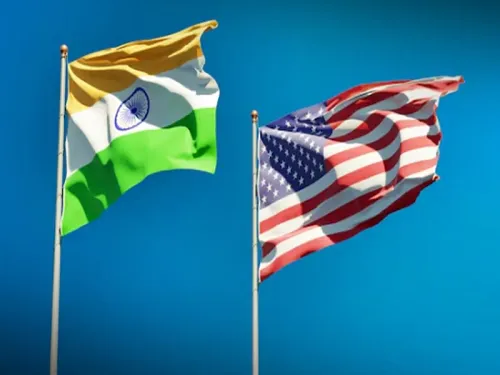
In a significant move, India is on the brink of launching the first phase of its Bilateral Trade Agreement with the United States, aimed at reducing export tariffs to 18%. This agreement signals a new era of trade relations between the two nations, with larger implications for global markets and local industries.
Key Takeaways
First tranche of the BTA with the US to be rolled out shortly.
Tariffs on domestic exports reduced to 18 percent .
Formal agreement expected by mid-March .
Record of eight trade agreements already established.
Protection of agriculture and dairy sectors ensured.
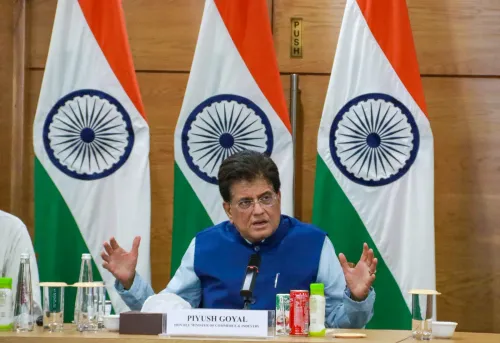
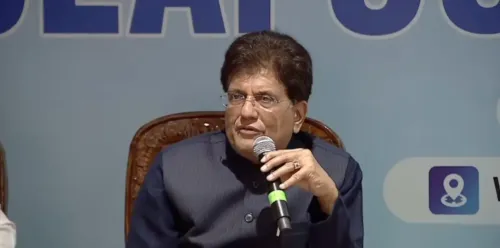
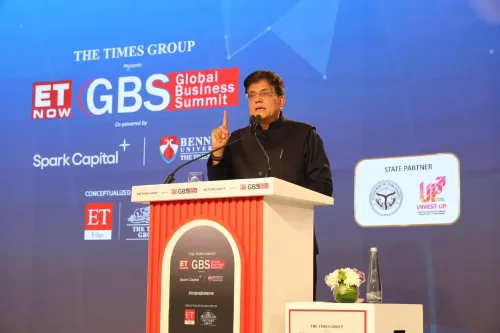
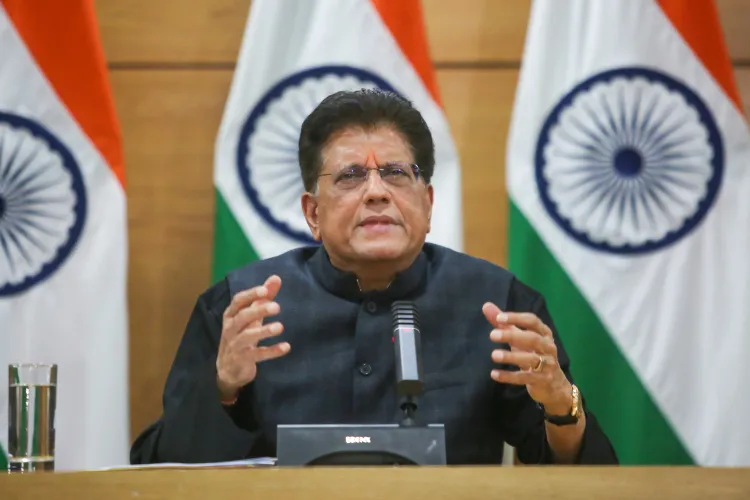
New Delhi, Feb 5 (NationPress) India is poised to unveil the initial phase of its Bilateral Trade Agreement (BTA) with the United States in just a few days, which will lead to a decrease in tariffs on domestic exports to 18 percent, as announced by Commerce and Industry Minister Piyush Goyal on Thursday.
The minister indicated that a joint statement from India and the US is expected to be published in the next four to five days. Following this statement, an executive order will be issued that will activate the reduced 18 percent US tariff on Indian products.
“A more extensive and formal agreement is aimed to be signed by mid-March,” he noted.
Goyal further emphasized that India has already established a record of eight trade agreements, and the first tranche of the BTA with the US will mark the ninth. The Free Trade Agreements (FTAs) signed by India under Prime Minister Narendra Modi are essential for the modernization of India, he added.
“The FTAs established under PM Modi assist us in our efforts to modernize India,” stated the minister.
Additionally, Goyal revealed that India is finalizing the terms for a free trade agreement with the Gulf Cooperation Council (GCC), reviving discussions that have been in progress for nearly two decades.
A comprehensive FTA with all six GCC countries would enhance policy predictability, stimulate investments, and strengthen food and energy security, Goyal mentioned.
Sectors such as food processing, infrastructure, petrochemicals, and Information and Communications Technology are expected to gain significantly from the India-GCC FTA. Currently, India’s bilateral trade with the GCC amounts to $179 billion.
The India-GCC FTA, Goyal added, will act as a force multiplier for global good.
Meanwhile, Goyal assured the Lok Sabha on Wednesday that the interests of Indian farmers have been safeguarded in the India-US trade agreement, as agricultural and dairy products are excluded from the deal.
The minister highlighted that India has effectively shielded sensitive areas such as agriculture and dairy, while also addressing food and farming concerns in the India-US trade agreement.
He emphasized that this partnership will generate new opportunities for MSMEs, skilled workers, and industries, fortifying bilateral relations and ensuring energy security, which remains a top priority for 1.4 billion Indians.
The minister remarked that the trade deal “will facilitate access to advanced technologies and support the realization of India's 'Make in India for the World', 'Design in India for the World', and 'Innovate in India for the World.'”
Point of View
With significant implications for economic growth and international trade dynamics. As the country takes steps towards modernization and enhanced trade partnerships, the focus on safeguarding sensitive sectors is commendable. This balance will be vital for ensuring that the benefits of such agreements are widely felt across all segments of society.
NationPress
14 Oct 2026
Frequently Asked Questions
What is the main objective of the India-US trade deal?
The primary goal of the India-US trade deal is to reduce tariffs on Indian exports to 18%, fostering better trade relations and enhancing market access.
When is the formal agreement expected to be signed?
A more comprehensive and formal agreement is targeted for signing by mid-March.
How will this trade deal benefit Indian farmers?
The trade deal has specifically protected the interests of Indian farmers by keeping agricultural and dairy products outside its scope.
What sectors will benefit from the India-GCC FTA?
Sectors such as food processing, infrastructure, petrochemicals, and Information and Communications Technology are expected to benefit significantly from the India-GCC FTA.
What is the current state of India’s trade with the GCC?
India’s bilateral trade with the GCC currently stands at $179 billion.