India, GCC reaffirm freedom of navigation at New York ministerial
Synopsis
At a high-stakes New York ministerial, India and the GCC sent a pointed signal on maritime security — reaffirming freedom of navigation as Gulf shipping lanes remain under threat. With $178 billion in bilateral trade at stake and FTA talks formally launched, the meeting marks a significant step in formalising one of India's most consequential strategic and economic partnerships.
Key Takeaways
External Affairs Minister S.
Jaishankar co-chaired the India-GCC Troika Ministerial meeting in New York on 26 September 2026 .
India and the GCC jointly reaffirmed commitment to freedom of navigation and safety of seafarers amid ongoing threats to Gulf shipping.
The meeting reviewed progress under the India-GCC Joint Action Plan 2024–28 , covering trade, energy, health, and food security.
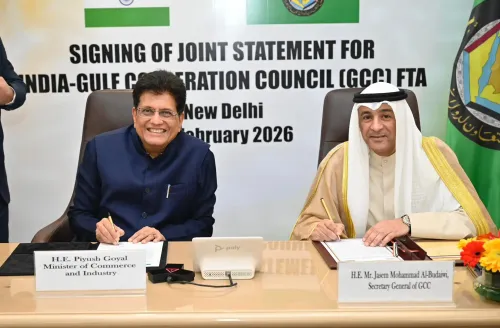
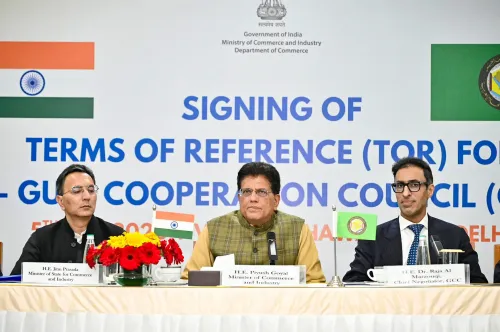
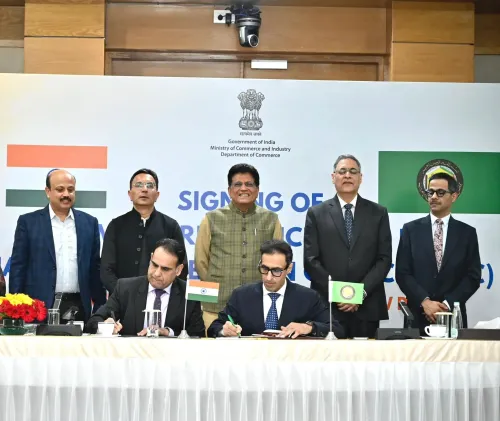
India formally welcomed the launch of India-GCC FTA negotiations , which resumed in February 2026 .
The GCC is India's largest trade partner with bilateral trade of approximately $178 billion in 2024-25.
Over 9 million Indians live in the six-member Gulf bloc, the largest concentration of the Indian diaspora globally.
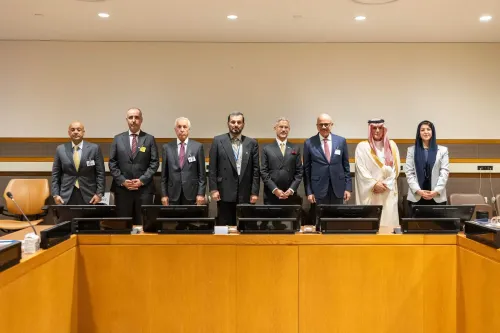
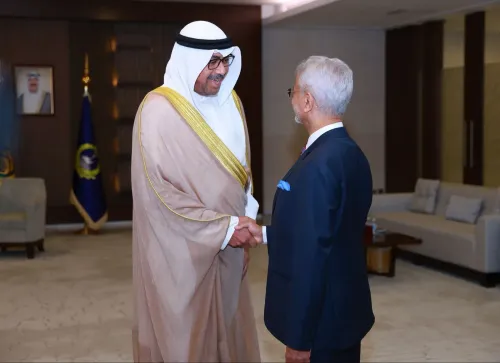
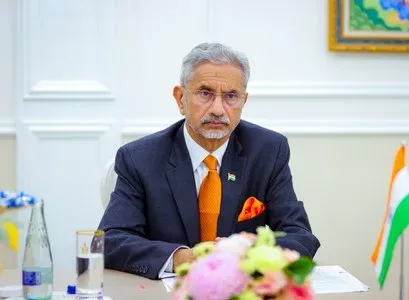
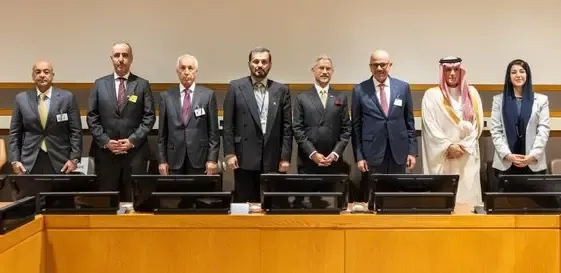
External Affairs Minister S. Jaishankar and representatives of the Gulf Cooperation Council (GCC) on 26 September 2026 jointly reaffirmed their commitment to freedom of navigation and the safety of seafarers, even as commercial shipping lanes in the Gulf region face mounting pressure. The statement emerged from the India-GCC Troika Ministerial meeting held in New York, which Jaishankar co-chaired.
What Was Discussed at the Meeting
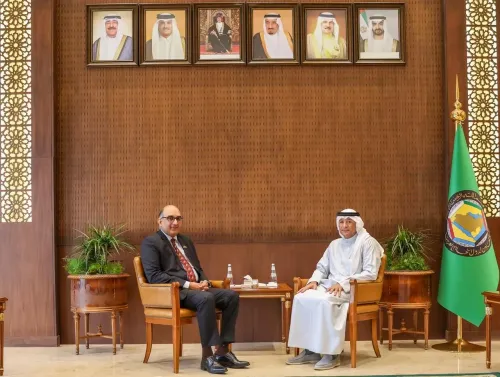
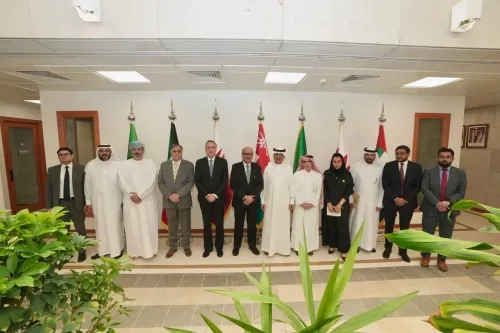
The ministerial brought together GCC Secretary General Jasem Al-Budaiwi, Bahrain's Foreign Minister Abdul Latif Al-Zayani, and Qatar's Minister of State for Foreign Affairs Sultan bin Saad Al Muraikhi, among other delegates. Jaishankar said in a post on X that the meeting 'reiterated our strong commitment to freedom of navigation and safety of seafarers and commercial shipping.' The gathering also reviewed progress under the India-GCC Joint Action Plan 2024–28, a framework adopted at the inaugural India-GCC Foreign Ministers' meeting in Riyadh in 2024, covering health, trade, agriculture, food security, transportation, energy, and culture.
Free Trade Agreement Negotiations Gain Momentum
A significant development from the meeting was the formal welcome extended to the launch of India-GCC Free Trade Agreement (FTA) negotiations. Negotiations on the FTA resumed in February this year. Preparatory talks were held in Riyadh last month between Vipul, India's ambassador to Saudi Arabia, and Secretary General Al-Budaiwi. The GCC is currently India's largest trade partner, with bilateral trade reaching approximately $178 billion in 2024-25.
Indian Diaspora and People-to-People Ties
Jaishankar also expressed gratitude to GCC leaderships for the support extended to the Indian community in the region. The Gulf hosts the single largest concentration of the Indian diaspora, with over 9 million Indians residing across the six-member bloc. Looking ahead, Jaishankar said he looks 'forward to strengthening ties in the areas of trade, investment, energy, food security, health, new technologies, culture and people-to-people exchanges.'
Why Freedom of Navigation Matters Now
The explicit reaffirmation of freedom of navigation is notable given the sustained threat to commercial shipping in and around the Gulf region in recent years, including repeated attacks on vessels. India, as a major maritime trading nation, has a direct stake in the security of these sea lanes, through which a significant portion of its energy imports and exports transit. This is the latest in a series of diplomatic engagements aimed at building a multilateral consensus on maritime security in the region.
Point of View
And India's willingness to co-sign that statement signals strategic alignment with GCC security interests beyond purely economic calculus. What is underreported is the FTA angle: with $178 billion in trade already flowing, a formal agreement could reshape Indian export competitiveness across sectors from agriculture to pharmaceuticals. However, the GCC bloc has historically moved slowly on trade deals, and India's own tariff sensitivities — especially in agriculture — have stalled previous FTA talks. The real test of this ministerial's output will be whether the FTA reaches a framework agreement before the Joint Action Plan's 2028 horizon, or adds to a long list of announced-but-incomplete trade negotiations.
NationPress
26 Sept 2026
Frequently Asked Questions
What did India and the GCC agree at the New York meeting?
India and the GCC reaffirmed their commitment to freedom of navigation and the safety of seafarers at the India-GCC Troika Ministerial meeting in New York on 26 September 2026. They also reviewed the India-GCC Joint Action Plan 2024–28 and welcomed the formal launch of FTA negotiations.
Why is freedom of navigation significant in the Gulf right now?
Commercial shipping in and around the Gulf region has faced repeated threats in recent years, with attacks on vessels disrupting trade routes. India, which relies heavily on Gulf sea lanes for energy imports and exports, has a direct strategic interest in keeping those corridors open and secure.
What is the current state of India-GCC trade?
The GCC is currently India's largest trade partner, with bilateral trade reaching approximately $178 billion in 2024-25. Negotiations on a free trade agreement, which resumed in February 2026, were formally welcomed at the ministerial meeting.
What is the India-GCC Joint Action Plan 2024–28?
The India-GCC Joint Action Plan 2024–28 is a bilateral cooperation framework adopted at the inaugural India-GCC Foreign Ministers' meeting in Riyadh in 2024. It covers health, trade, agriculture, food security, transportation, energy, and culture.
How large is the Indian diaspora in the Gulf?
Over 9 million Indians reside in the six-member GCC bloc, making it the single largest concentration of the Indian diaspora globally. External Affairs Minister Jaishankar thanked GCC leaderships at the meeting for the support extended to this community.