India hands over solar systems to 50 earthquake-hit households in Myanmar's Taunggyi
Synopsis
India has delivered solar power to 50 earthquake-hit households in Myanmar's Inle Lake floating villages — a targeted Quick Impact Project under the Mekong-Ganga Cooperation framework. With over 25 such projects sanctioned across Myanmar and an annual commitment of up to US$ 500,000, this handover underscores India's strategy of using small, visible interventions to anchor its bilateral influence in a geopolitically sensitive neighbourhood.
Key Takeaways
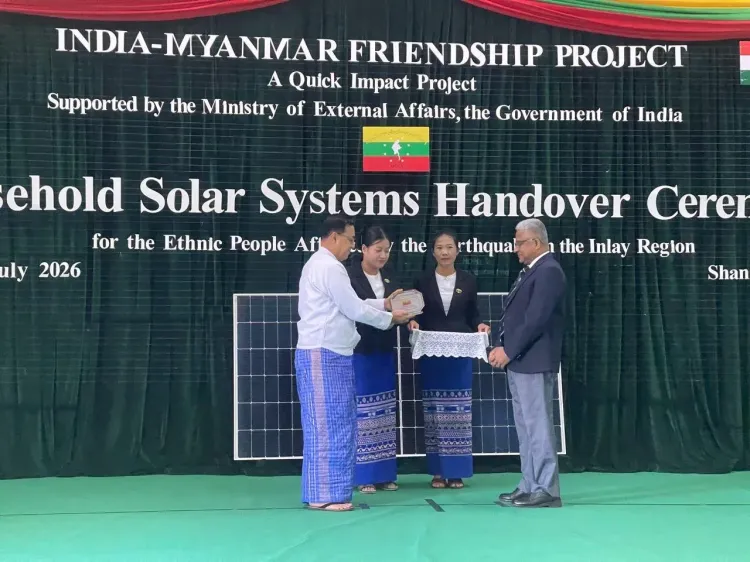
India's Ambassador Abhay Thakur handed over solar systems to 50 earthquake-affected households in Taunggyi, Shan State on 13 July .
The project targets ethnic communities in the floating villages of Inle Lake , delivered under the Mekong-Ganga Cooperation (MGC) Quick Impact Project framework.
The Government of India commits up to US$ 500,000 per year for MGC Quick Impact Projects in Myanmar.
More than 25 QIPs have been sanctioned across Myanmar as of March 2025 , covering renewable energy, agriculture, education, and disaster risk reduction.
Shan State's Ethnic Affairs Minister U Than Maung and Chief Minister U Sai Htein Soe attended the handover ceremony.
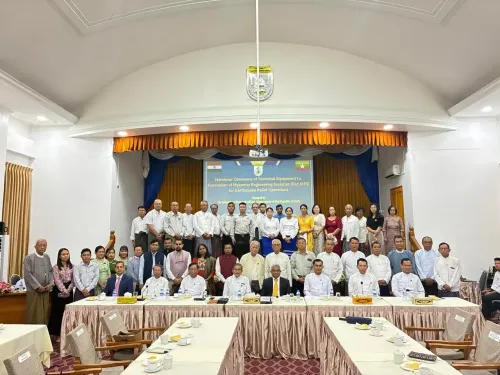
India's Ambassador to Myanmar, Abhay Thakur, on Monday, 13 July handed over solar energy systems to 50 earthquake-affected households of ethnic communities in Taunggyi, Shan State, marking the latest Quick Impact Project (QIP) delivered under the Mekong-Ganga Cooperation (MGC) initiative. The beneficiaries are residents of the floating villages around Inle Lake, a region still recovering from seismic damage.
The Handover Ceremony
The handover event was attended by Union Ethnic Affairs Minister U Than Maung and Shan State Chief Minister U Sai Htein Soe, alongside a Deputy Minister and several Ethnic Ministers of Shan State responsible for Inthar, Lisu, and Kayan affairs. The Indian Mission team also conducted a site visit to beneficiary households in the earthquake-affected floating villages of Inle Lake, according to a post shared by the Embassy of India in Myanmar on X.
What the MGC Quick Impact Projects Cover
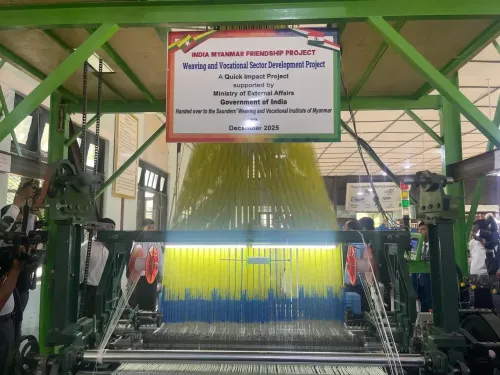
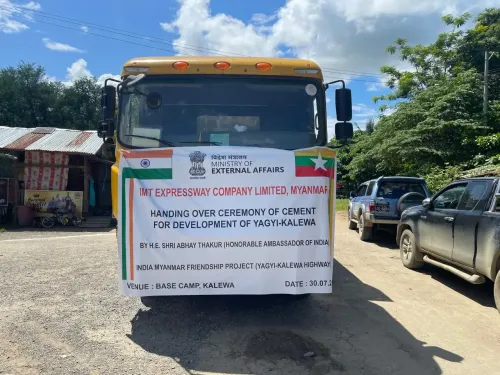
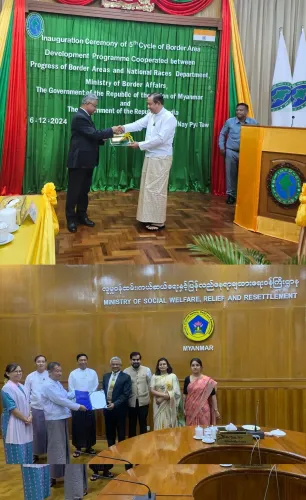
Under the Mekong-Ganga Cooperation (MGC) framework, the Government of India launched Quick Impact Projects to deliver short-gestation, high-visibility development outcomes across member countries, including Myanmar. The Ministry of External Affairs (MEA) has stated that the Government of India commits up to US$ 500,000 per year for such projects. As of March this year, more than 25 QIPs have been sanctioned across states and regions throughout Myanmar, spanning sectors such as renewable energy, civic infrastructure, agriculture, rural development, education, handloom, disaster risk reduction, and cultural restoration.
India-Myanmar Development Cooperation: Broader Context
Development cooperation has long been a cornerstone of India's bilateral engagement with Myanmar. According to the Ministry of External Affairs (MEA), India's assistance spans major connectivity infrastructure as well as institution-building in areas including agricultural research, rural infrastructure, healthcare, education, information technology, and skill development. The solar project in Taunggyi is consistent with this broader framework, targeting communities that are both ethnically marginalised and disaster-affected.
Why This Project Matters
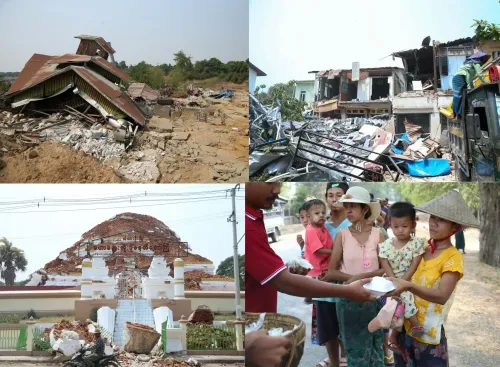
The Inle Lake region, home to the Inthar ethnic community and known for its distinctive floating villages, was among the areas impacted by earthquake activity in Myanmar. Providing household solar systems directly addresses the energy access gap in these remote, water-based settlements where grid connectivity is limited. Notably, this intervention aligns with India's emphasis on renewable energy as a development tool, mirroring its domestic push under programmes like PM-KUSUM. This is the kind of targeted, community-level delivery that QIPs are specifically designed to achieve — visible impact within a compressed timeline.
What Comes Next
With over 25 QIPs already sanctioned in Myanmar and an annual commitment of up to US$ 500,000, further projects across renewable energy and rural development sectors are expected to follow. The Taunggyi handover signals that India's development outreach in Myanmar continues despite the complex political environment in the country, prioritising direct community benefit through multilateral cooperation frameworks.
Point of View
Not just the central administration. Whether this nuanced approach translates into durable influence in a country where China's footprint is far larger remains the central question.
NationPress
12 Oct 2026
Frequently Asked Questions
What did India hand over to Myanmar's earthquake-affected communities?
India handed over solar energy systems to 50 households of earthquake-affected ethnic communities in Taunggyi, Shan State. The beneficiaries live in the floating villages around Inle Lake, where grid electricity access is limited.
What is the Mekong-Ganga Cooperation Quick Impact Project?
The Mekong-Ganga Cooperation (MGC) Quick Impact Project is an Indian government initiative that funds small, fast-delivering development interventions across MGC member countries, including Myanmar. The Government of India commits up to US$ 500,000 per year for these projects, which cover sectors from renewable energy to cultural restoration.
How many Quick Impact Projects has India sanctioned in Myanmar?
As of March 2025, more than 25 QIPs have been sanctioned across states and regions throughout Myanmar. They span renewable energy, civic infrastructure, agriculture, rural development, education, handloom, disaster risk reduction, and cultural restoration.
Who attended the solar system handover in Taunggyi?
The ceremony was attended by India's Ambassador Abhay Thakur, Union Ethnic Affairs Minister U Than Maung, Shan State Chief Minister U Sai Htein Soe, a Deputy Minister, and several Ethnic Ministers responsible for Inthar, Lisu, and Kayan affairs.
Why is India providing development aid to Myanmar's ethnic communities?
Development cooperation is a longstanding pillar of India's bilateral engagement with Myanmar. The MEA states that India's assistance covers connectivity infrastructure, agricultural research, healthcare, education, and skill development, with QIPs specifically designed to deliver visible, community-level benefits quickly in response to local needs.