Is India Leading the Global Clean Energy Revolution as a Mentor?
Synopsis
India is setting the pace in the global clean energy sector, achieving its renewable energy goals ahead of time. With significant investments and innovative programs, the country is positioning itself as a mentor to developing nations while emphasizing sustainability and inclusivity.
Key Takeaways
India has achieved its 2030 renewable energy goals five years early.
Non-fossil fuels now account for 50% of India's total installed power capacity.
Record growth of 44.5 GW in renewable energy capacity occurred in 2025.
Innovative programs are enhancing clean energy access for millions.
India serves as a mentor for other developing nations in clean energy strategies.
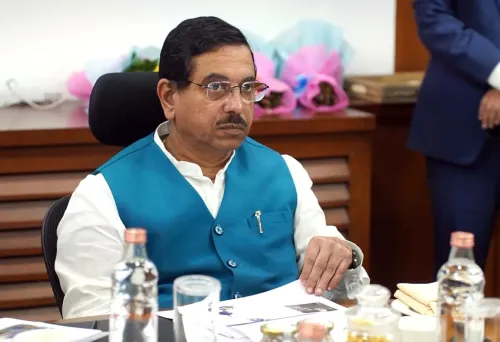
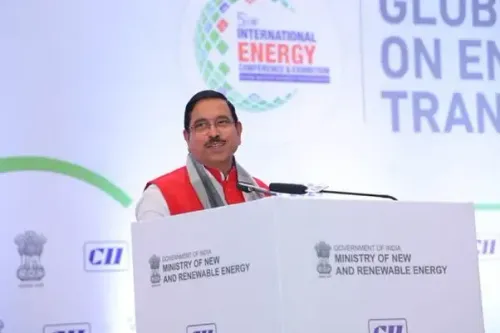
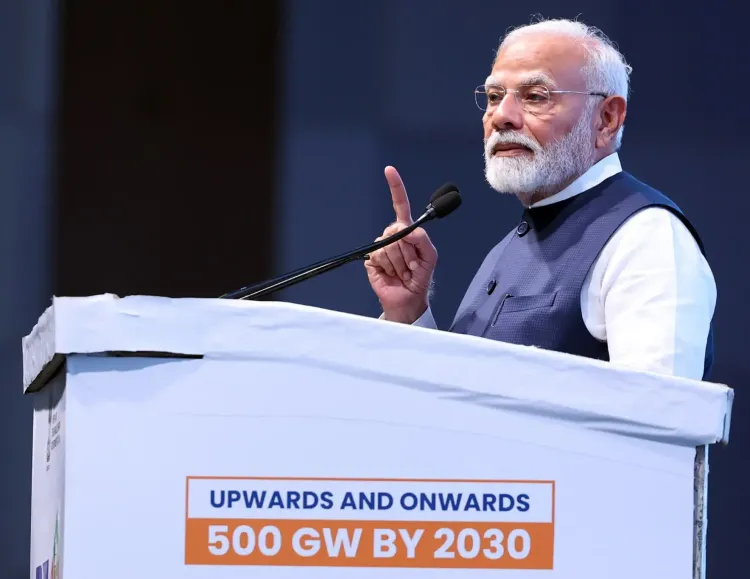
New York, Jan 21 (NationPress) India has established itself as a leader in the international clean energy sector, accomplishing its 2030 renewable energy goals five years ahead of schedule, as noted by Union Minister for New and Renewable Energy Pralhad Joshi in a recent Newsweek article.
In 2025, India became the sole G20 country to fulfill its Nationally Determined Contributions (NDCs) entirely, with non-fossil sources now representing 50 percent of its total installed power capacity of 484 GW. This achievement signifies a transformative change in the global energy sphere, with India setting an example for swift and extensive decarbonization.
“India’s renewable energy success reflects a robust political commitment to create an ecosystem of policy and regulatory frameworks, integrated power system planning, and enhanced transmission capabilities to accommodate variable renewable energy. Institutional frameworks like the Solar Energy Corporation of India have played a crucial role in derisking ventures, bolstering private sector capacities, and stimulating local currency financing,” Joshi, who also chairs the International Solar Alliance (ISA) Assembly, wrote.
India has experienced unprecedented growth, incorporating 44.5 gigawatts (GW) of renewable energy capacity in 2025, nearly doubling the figures from the previous year – an unmatched pace among G20 nations, he highlighted.
Prime Minister Narendra Modi referred to this success as a testament to “India’s unwavering dedication to a green and sustainable future.”
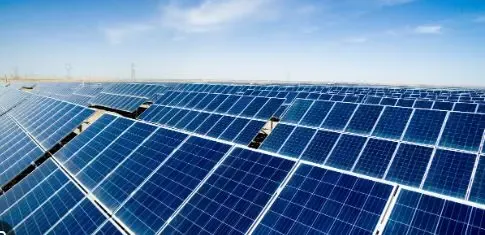
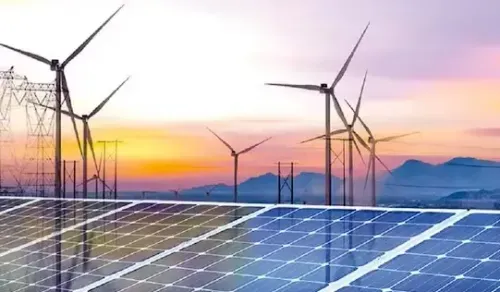
With solar power capacity jumping to 135 GW and wind power nearing 54 GW, India is solidifying its status as a renewable energy giant.
This transition has led to savings of over USD 46 billion in pollution-related costs, prevented 410.9 million tonnes of CO₂ emissions, and provided USD 31.7 billion in health benefits, emphasizing the economic advantages of clean energy, as mentioned by the minister.
Programs like the PM Surya Ghar Muft Bijli Yojana, which grants rooftop solar access to over 1.8 million households, and PM Kusum, which enables farmers to solarize their energy needs with plans for 4 million solar pumps, are democratizing clean energy access, ensuring benefits reach both rural and urban areas.
In addition, the National Green Hydrogen Mission is fostering the growth of a green hydrogen ecosystem, with India boasting some of the lowest production costs globally, Joshi noted in his article.
As ISA President, India is sharing its strategies with 125 member countries, particularly in Africa and Small Island Developing States, thereby establishing itself as a mentor for the Global South, he elaborated.
Joshi underscored that auction methods and technological advancements have contributed to a decrease of nearly 80 percent in solar project tariffs over the past decade.
“Simultaneously, initiatives like the Approved List of Models and Manufacturers (ALMM) and the Production Linked Incentive (PLI) have stimulated domestic solar module production, boosting manufacturing capacity to 144 GW, with 81 GW added in 2025 alone,” he added.
India’s leap in clean energy is being recognized as a paradigm for the Global South. Unlike numerous developed nations, India’s strategy focuses on affordability, resilience, and inclusivity – ensuring that clean energy is available to households, farmers, and small enterprises.
This approach not only provides a framework for affordable and reliable renewable energy but also opens doors for digital innovations in the Global South, ensuring developing nations are not left behind in the rapidly advancing digital and AI transformations of the energy sector, ultimately optimizing renewable resource utilization.
However, India’s vision extends beyond this. Continued large-scale investments in hydrogen production will further decarbonize heavy industries and transportation; advancements in smart grids, AI-driven demand management, and energy storage solutions will stabilize systems reliant on renewable energy; and the expansion of electric vehicle (EV) infrastructure and incentives will further decrease oil dependency.
“India's clean energy leadership was recently highlighted at the COP, the sixth IRENA Assembly, and the Abu Dhabi Sustainability Week, where it shaped global discussions and fostered international collaboration. India's accomplishments serve as both inspiration and a strategic roadmap for the world, illustrating a model adaptable to various local contexts, available resources, and specific objectives,” minister Joshi concluded in his Newsweek article.
Point of View
India's achievements in clean energy represent a significant leap forward, not just for the nation but for the entire Global South. The emphasis on inclusivity and affordability sets a precedent that can inspire other developing countries to adopt sustainable practices. As a nation, India stands committed to leading the charge towards a greener future.
NationPress
23 Sept 2026
Frequently Asked Questions
What are India's renewable energy targets?
India aims to achieve significant renewable energy capacity by 2030, having already met its targets five years ahead of schedule.
How much renewable energy capacity has India added?
In 2025, India added 44.5 GW of renewable energy capacity, marking a record growth.
What role does the Solar Energy Corporation of India play?
The Solar Energy Corporation of India helps derisk investments and boosts private sector capacity in renewable energy.
What initiatives are promoting clean energy access in India?
Initiatives like the PM Surya Ghar Muft Bijli Yojana and PM Kusum are democratizing access to clean energy for rural and urban communities.
How is India influencing global clean energy efforts?
As President of the International Solar Alliance, India shares its successful strategies with 125 member countries, particularly in the Global South.