Modi tells Zelensky India ready to aid peaceful Russia-Ukraine resolution
Synopsis
PM Modi phoned Zelensky on 9 November to reaffirm India's peace push — but the real story is the three-track mediation effort Jaishankar has quietly been running with Russia, Ukraine, Europe, and the US simultaneously, covering civilian shipping, Black Sea grain flows, and energy infrastructure. India is positioning itself as an indispensable back-channel in one of the world's most dangerous conflicts.
Key Takeaways
PM Modi spoke with President Zelensky by phone on 9 November 2026 , reaffirming India's commitment to a peaceful resolution of the Russia-Ukraine conflict .
The PMO said Modi reiterated India's 'human-centric approach' and stressed resolution through dialogue and diplomacy.
Jaishankar revealed India is pursuing three diplomatic tracks: protecting civilian shipping, restoring Black Sea grain exports, and a 'non-attack on energy' agreement.
India has held high-level talks with Russia , Ukraine , Europe , and the US , with Secretary Rubio kept informed of India's mediation efforts.
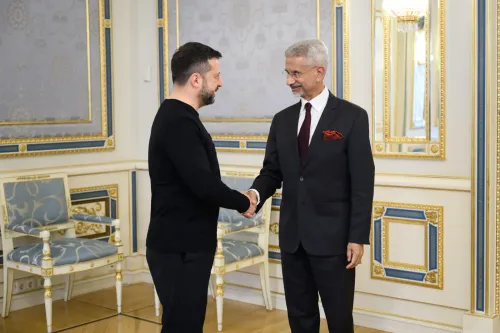
In September 2026 , Jaishankar made the first-ever standalone bilateral visit by an Indian EAM to Kyiv , meeting Zelensky directly.
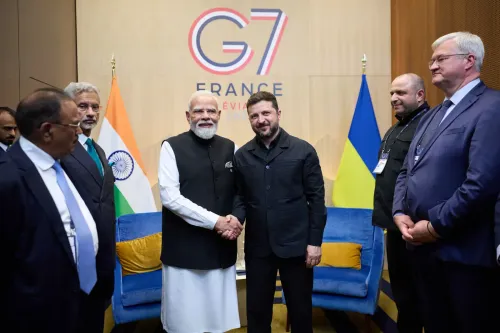
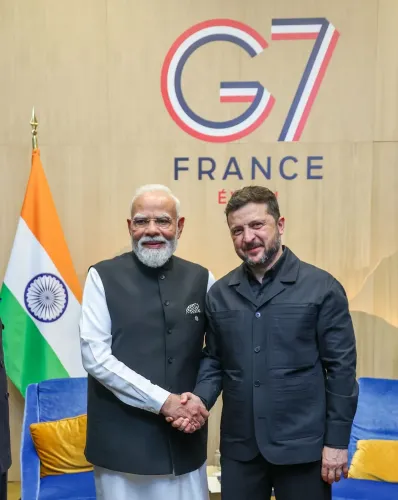
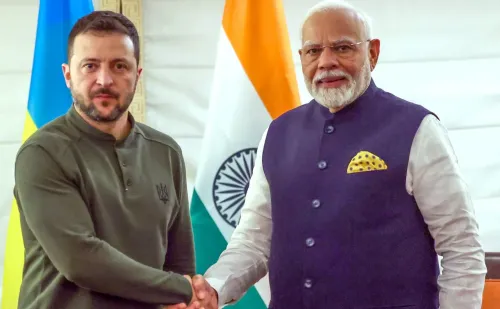
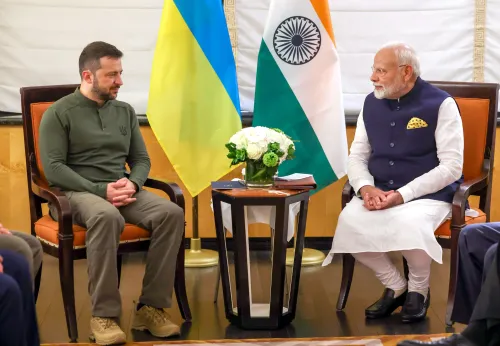
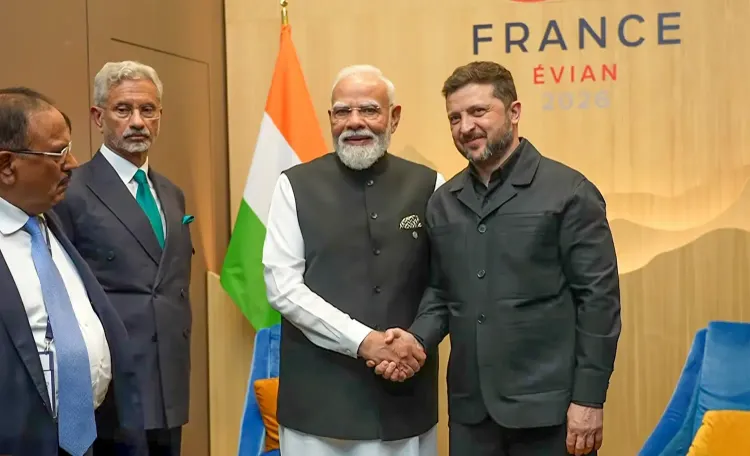
Prime Minister Narendra Modi spoke with Ukrainian President Volodymyr Zelensky by phone on Monday, 9 November 2026, reaffirming India's commitment to supporting all efforts toward a peaceful end to the Russia-Ukraine conflict. The call, confirmed by the Prime Minister's Office (PMO), reflects New Delhi's sustained diplomatic engagement with both sides of the war.
What the PMO Said
According to an official statement from the PMO, Zelensky used the call to brief Modi on recent developments in the conflict. Modi, in turn, underscored India's 'human-centric approach' and stressed the need for resolution through dialogue rather than force.
'Prime Minister reaffirmed India's human-centric approach and reiterated India's consistent position that the conflict must be resolved through dialogue and diplomacy. He conveyed India's readiness to contribute to all efforts aimed at peaceful resolution of the conflict,' the PMO statement read.
The two leaders also discussed steps to deepen India-Ukraine bilateral cooperation across multiple sectors for the mutual benefit of both nations, the statement added.
India's Three-Track Mediation Effort
The Modi-Zelensky call comes amid a broader Indian diplomatic push on three distinct issues arising from the conflict. Speaking to reporters on the sidelines of the G20 Foreign Ministers' Meeting in Atlanta earlier this month, External Affairs Minister S. Jaishankar outlined the three tracks New Delhi is actively pursuing: protecting civilian shipping and seafarers; restoring grain exports through the Black Sea; and securing a 'non-attack on energy' infrastructure agreement.
'We've had discussions with Russia. We've had discussions with Europe. We've had discussions with Ukraine also about three aspects of the current conflict,' Jaishankar said, adding that India is also coordinating these efforts with the United States.
Jaishankar described the energy element as the most complex piece. 'Non-attack on energy is probably the most complicated piece because it means different things to the different players,' he said. 'Infrastructure itself to some would mean a refinery. To some it would mean grids. There would be issues relating to ships carrying fuel.'
On grain exports, he called it 'a big concern for the global south because much of the purchasers of that grain are basically global south countries.'
India's Outreach to Both Moscow and Kyiv
Jaishankar detailed India's high-level contacts with both Russia and Ukraine. 'Prime Minister himself had discussion with (Russian) President (Vladimir) Putin in Delhi, and before that in Bishkek. I had gone earlier to Moscow, and we continue even today. I discussed it with (Russian Foreign Minister) Mr. Lavrov, and then in between, I had gone to Kyiv. And we are in touch with the Ukrainian side,' he said.
India has also been keeping Washington in the loop. 'We have also been coordinating this with the Americans, because they have their own peace mediation initiative. So Secretary Rubio knows roughly what is going on here,' Jaishankar said, though he declined to elaborate further.
Jaishankar's Historic Kyiv Visit in September
In September 2026, Jaishankar made what was described as the first-ever standalone bilateral visit by an Indian External Affairs Minister to Ukraine, calling on President Zelensky in Kyiv. 'Pleased to call on President Zelensky today. Apprised him of discussions with FM Andrii Sybiha on deepening our bilateral cooperation. Our conversation centered on approaches to end the ongoing conflict,' Jaishankar posted on X following the meeting.
Zelensky also posted on X after that meeting: 'Held a meeting with the Minister of Foreign Affairs of India, Subrahmanyam Jaishankar. We discussed important issues. We are grateful to India for its desire to end this unjust war — the war of Russia against Ukraine. This time must certainly not be a time of war. Peace is needed. This is India's clear position.'
With both sides now in regular contact at the highest levels, attention will turn to whether India can help translate these diplomatic gestures into concrete progress on even one of the three tracks — a development that would mark a significant shift in New Delhi's global role.
Point of View
Kyiv, Brussels, and Washington on three concrete humanitarian tracks — not just vague calls for 'dialogue' — marks a qualitative upgrade in New Delhi's conflict diplomacy. What is notably absent, however, is any public framework for how success would be measured or what India is prepared to offer or withhold to move the needle. The 'human-centric' framing is consistent but carefully non-committal, allowing India to maintain strategic ambiguity with Russia while signalling goodwill to the West. The real test will come if one side demands India choose — a moment New Delhi has so far managed to defer.
NationPress
9 Nov 2026
Frequently Asked Questions
What did PM Modi and President Zelensky discuss in their phone call?
PM Modi reaffirmed India's readiness to support all efforts toward a peaceful resolution of the Russia-Ukraine conflict and stressed the need for dialogue and diplomacy. The two leaders also discussed steps to strengthen India-Ukraine bilateral cooperation across various sectors.
What are the three diplomatic tracks India is pursuing on the Ukraine conflict?
According to EAM Jaishankar, India is in discussions with Russia, Ukraine, and Europe on three issues: protecting civilian shipping and seafarers, restoring grain exports through the Black Sea, and securing a 'non-attack on energy infrastructure' agreement. India is also coordinating this effort with the United States.
Has India engaged directly with Russia as well as Ukraine?
Yes. PM Modi has held discussions with Russian President Vladimir Putin both in Delhi and in Bishkek, while EAM Jaishankar has visited Moscow and met Russian Foreign Minister Lavrov. Jaishankar also made a historic visit to Kyiv in September 2026 — the first standalone bilateral visit by an Indian External Affairs Minister to Ukraine.
Why does India consider grain exports a priority in the Ukraine conflict?
EAM Jaishankar described Black Sea grain exports as 'a big concern for the global south because much of the purchasers of that grain are basically global south countries.' The sharp reduction in grain flows has affected food security across developing nations.
Is India coordinating its Ukraine peace efforts with the United States?
Yes. Jaishankar confirmed India has been keeping Washington in the loop, noting that 'Secretary Rubio knows roughly what is going on here.' India is aligning its mediation effort with the US's own peace initiative, though the specifics of coordination have not been made public.