India Denounces Pakistan's Interference in Internal Affairs Amid Terrorism Support
Synopsis
India has firmly rejected Pakistan's comments endorsing a terrorist organization, asserting that Islamabad has no authority to interfere in its internal matters. This statement follows the sentencing of separatist leader Asiya Andrabi, highlighting the ongoing terrorism concerns in the region.
Key Takeaways
India rejects Pakistan's interference in its internal affairs.
Asiya Andrabi sentenced to life for terrorist-related offenses.
The court emphasized the threat posed by separatist ideologies.
Pakistan's history of sponsoring terrorism remains a significant concern.
Importance of judicial integrity in addressing national security issues.
New Delhi, March 25 (NationPress) India expressed strong condemnation towards Pakistan for its remarks supporting a terrorist organization and its affiliates, underlining that Islamabad lacks the authority to comment on India's internal affairs and judicial matters.
This robust response from New Delhi followed a statement from the Pakistan Foreign Office regarding the life sentence handed to Kashmiri separatist leader Asiya Andrabi.
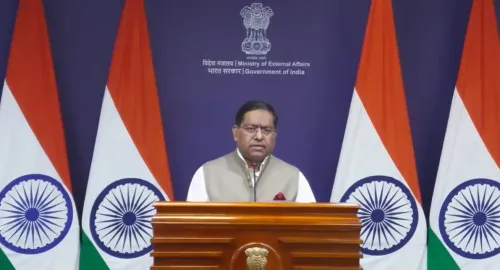
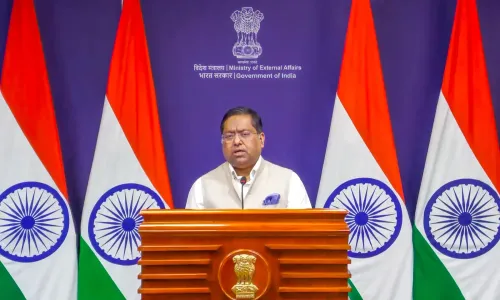
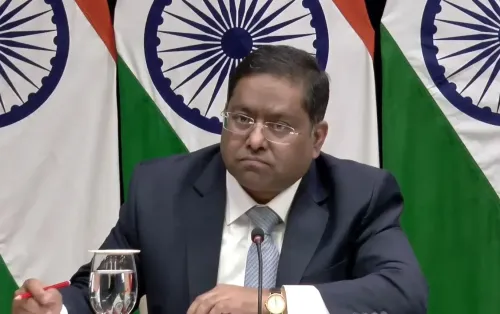
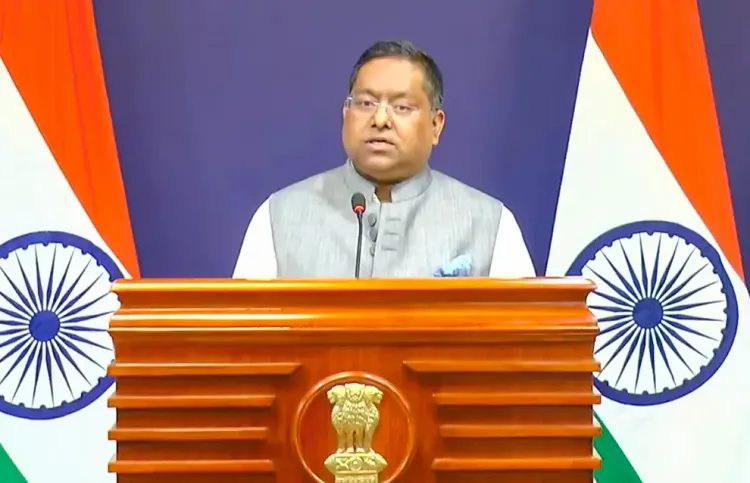
Ministry of External Affairs (MEA) spokesperson Randhir Jaiswal indicated that India was not surprised by Pakistan's endorsement of violence, as the nation has a long history of sponsoring terrorism. He urged Pakistan to reflect on its ongoing human rights violations.
"We firmly reject Pakistan's statement regarding its support for a banned terrorist organization and its affiliates. Pakistan does not possess the authority to comment on India's internal matters or its judicial proceedings. It is unsurprising that a country known for its long-term support of terrorism would make a statement condoning violence and the killing of innocents. Rather than spreading falsehoods and trivial narratives, Pakistan should evaluate the serious and systematic human rights abuses it continues to enact," the MEA spokesperson stated.
A Delhi court recently sentenced Andrabi to life imprisonment for charges including conspiracy to commit terrorist acts and waging war against the Government of India, along with imposing 30-year prison sentences on her associates, Sofi Fehmeeda and Nahida Nasreen.
In the sentencing, Additional Sessions Judge Chander Jit Singh of Karkardooma Courts observed that the convicts' actions threatened the very existence of India and targeted the secession of Jammu and Kashmir, which is an integral part of the nation.
The court noted that evidence presented showed that they did not shy away from violence and had, in fact, indirectly encouraged it by praising slain militants and promoting secessionist ideologies.
“While the actions of the convict may not be the direct cause of inciting violence, instilling the belief that Kashmir is not part of India and that India has occupied Kashmir illegally can stir sentiments that might lead individuals to resort to various means, including violence,” the court remarked.
This case stemmed from a 2018 investigation by the National Investigation Agency, which alleged that the banned group Dukhtaran-e-Millat (DeM), led by Andrabi, was utilizing social media, public speeches, and other platforms to advocate for Jammu and Kashmir’s integration with Pakistan.
The prosecution presented several videos, online posts, and other evidence purportedly demonstrating the accused glorifying militants and inciting unlawful activities including stone-pelting, while promoting narratives based on the two-nation theory.
Andrabi was found guilty under multiple provisions of the Unlawful Activities (Prevention) Act (UAPA), including Sections 18 (conspiracy for terrorist acts) and 20 (membership of a terrorist organization), in addition to IPC offenses such as criminal conspiracy and waging war against the state.
Fehmeeda and Nasreen were also convicted under several provisions of the anti-terror law and the IPC. Dismissing any leniency in sentencing, the court emphasized that actions aimed at destabilizing the nation and promoting secessionist ideologies warranted severe punishment.
Andrabi, who established the all-women separatist group in 1987, was arrested in April 2018. The court noted that the organization had largely become inactive following her arrest.
Point of View
This situation underscores the complexities surrounding India's security and sovereignty. Pakistan's ongoing support for terrorism remains a significant concern, and India's response reflects a commitment to uphold its judicial integrity and protect its national interests.
NationPress
22 Sept 2026
Frequently Asked Questions
What was the reaction of India to Pakistan's statements?
India strongly condemned Pakistan's comments, stating that Islamabad has no authority to discuss India's internal matters or judicial processes.
Who is Asiya Andrabi?
Asiya Andrabi is a Kashmiri separatist leader sentenced to life imprisonment for terrorist-related offenses.
What charges were brought against Andrabi and her associates?
Andrabi was convicted of conspiracy to commit terrorist acts and waging war against the Government of India, among other charges.
How did the court view the actions of the convicts?
The court held that their actions threatened India's existence and aimed at the secession of Jammu and Kashmir.
What implications does this case have for India-Pakistan relations?
This case highlights ongoing tensions and security concerns, particularly regarding terrorism and separatism in the region.