India-Russia defence ties shift to joint development and production
Synopsis
India and Russia are quietly rewriting their defence relationship — no longer just buyer and seller. With BrahMos upgrades, a T-90MS co-production offer, and the Indian Army Chief's first Moscow visit in eight years following a Modi-Putin meeting, the partnership is pivoting from procurement to co-development, reshaping India's defence supply chain.
Key Takeaways
The India-Russia defence partnership is shifting from direct arms purchases to joint development and production on Indian soil, according to Geopolitical Monitor .
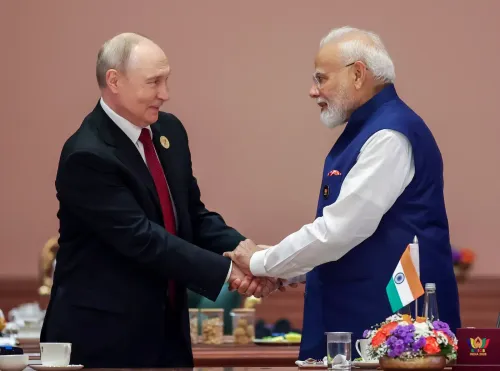
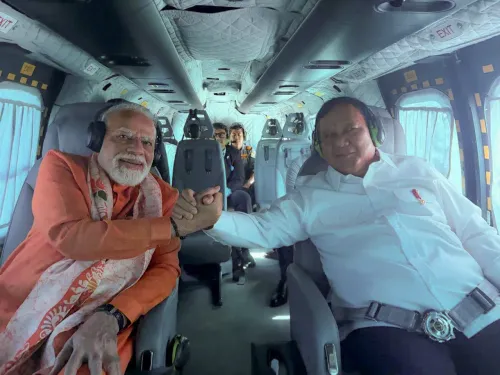
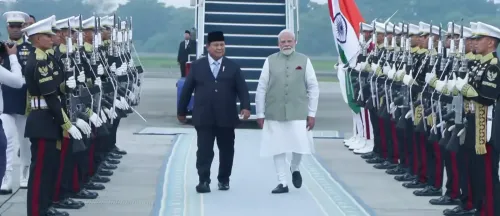
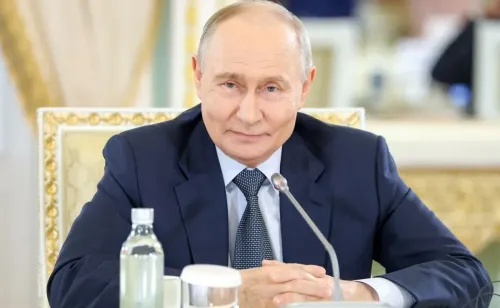
PM Narendra Modi and Russian President Vladimir Putin discussed defence cooperation at the BRICS Summit in New Delhi .
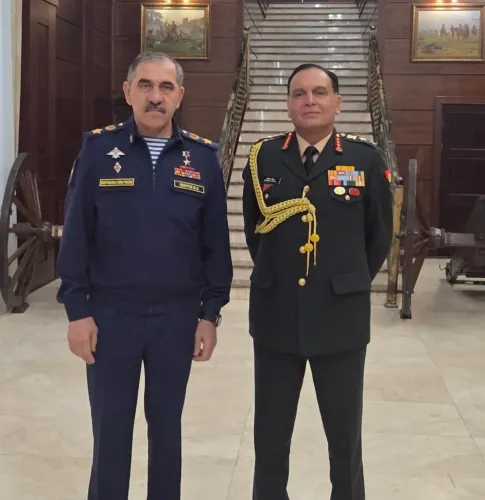
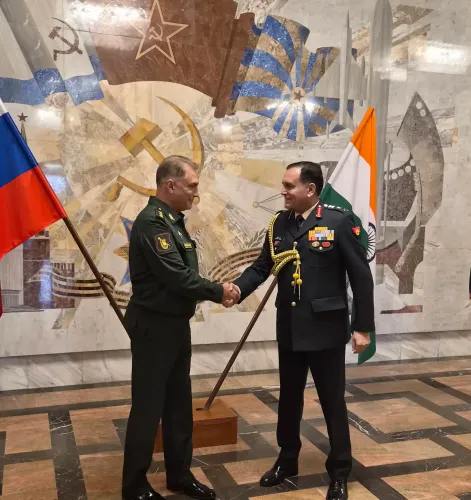
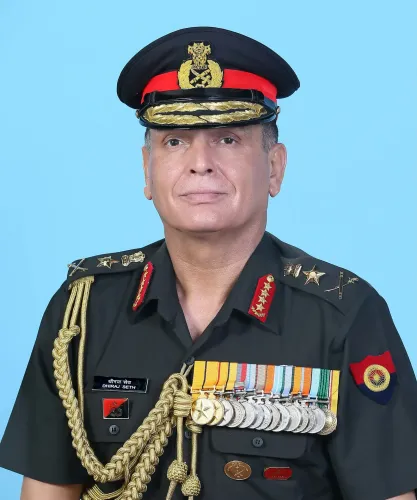
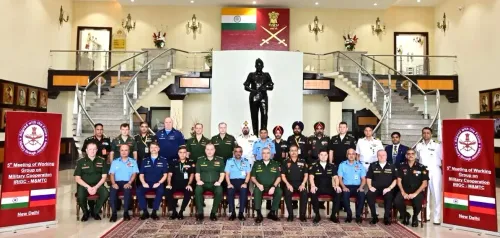
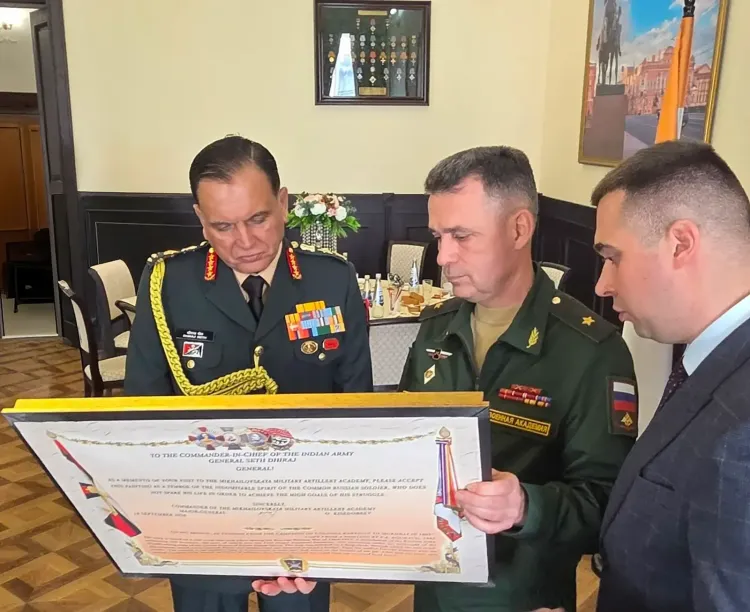
Indian Army Chief General Dhiraj Seth visited Russia — the first such trip in eight years by a senior Indian military commander.
Russia and India are exploring expanded co-development of the BrahMos supersonic cruise missile , derived from Russia's P-800 Oniks .
Russian state exporter Rosoboronexport proposed joint production of the T-90MS main battle tank in July , extending an existing T-90S manufacturing arrangement.
The India-Russia defence partnership is undergoing a structural transformation, moving away from traditional arms purchases toward the joint development and production of military equipment on Indian soil, according to a report by Canada-based Geopolitical Monitor. The shift reflects India's growing indigenous defence capabilities and signals a rebalancing of the decades-old buyer-seller relationship between the two countries.
Modi-Putin Talks and Army Chief's Moscow Visit
On the sidelines of the recently concluded BRICS Summit in New Delhi, Prime Minister Narendra Modi and Russian President Vladimir Putin held discussions spanning political, economic, and energy issues, with defence cooperation reportedly featuring on the agenda. Just days after that meeting, Indian Army Chief General Dhiraj Seth travelled to Russia for an official visit — marking the first trip by a senior Indian military commander to Moscow in eight years.
From Buyer to Co-Producer
For decades, India was Russia's largest defence customer, purchasing military hardware directly from Russian manufacturers. That model has since evolved significantly. A large share of Russian-origin platforms fielded by the Indian military is now produced domestically through licensed manufacturing and joint ventures, the report noted.
According to the Geopolitical Monitor analysis, 'India's frontline armoured and mechanised units are practically defined by their Russian-designed equipment' — ranging from infantry rifles and armoured transports to heavy tanks and missile defence systems. However, the report added that this reality is 'beginning to look very different' as India deepens its own production base.
BrahMos Expansion and T-90MS Proposal
Russia and India are also eyeing expanded cooperation in missile development, with a specific focus on the BrahMos supersonic cruise missile. Developed jointly over the past 25 years, BrahMos is derived from Russia's P-800 Oniks missile — specifically its export variant, the Yakhont. India has since introduced numerous modifications, giving the missile capabilities that distinguish it from its Russian predecessor. The report noted that 'further modernisation will nevertheless be necessary to keep pace with increasingly advanced air defence systems,' according to international experts.
On armoured vehicles, Rosoboronexport — Russia's state arms exporter — in July reportedly offered India the opportunity to jointly produce the T-90MS main battle tank. The proposal would build on an existing arrangement under which India already manufactures the vast majority of its T-90S tanks domestically, combining locally made and Russian-supplied components.
What the Shift Means Strategically
The transition from procurement to co-production carries significant strategic implications. It gives India greater operational autonomy and supply-chain resilience, while offering Russia continued relevance as a technology partner rather than merely a vendor. This comes amid India's broader push to reduce import dependence under its Aatmanirbhar Bharat defence initiative. Notably, New Delhi has also been diversifying its defence portfolio — engaging the United States, France, and Israel — making co-production arrangements with Moscow a way for Russia to remain embedded in India's long-term defence architecture.
With the Army Chief's visit and fresh summit-level dialogue underway, the next phase of India-Russia defence engagement is likely to be defined less by catalogues and more by co-development agreements.
Point of View
It means supply-chain autonomy, reduced vulnerability to sanctions or export restrictions, and a boost to the Aatmanirbhar Bharat agenda. For Russia, increasingly isolated from Western defence markets, maintaining deep integration with India's military-industrial base is one of its few remaining levers of global arms influence. The BrahMos trajectory is instructive: India has already diverged the missile so significantly from its Russian ancestor that the 'joint' label now flatters Moscow more than it reflects technical reality. The real question is whether Russia is offering genuine technology transfer or attempting to lock India into dependency under a new label. Army Chief Seth's visit and the T-90MS proposal suggest Moscow is willing to go further than before — but India's simultaneous engagement with US, French, and Israeli defence partners means it holds the stronger hand in any negotiation.
NationPress
23 Sept 2026
Frequently Asked Questions
How is India's defence relationship with Russia changing?
India and Russia are moving away from a traditional arms-purchase model toward joint development and co-production of military equipment in India. A significant share of Russian-origin platforms fielded by the Indian military is now manufactured domestically through licensed production and joint ventures.
What was discussed at the Modi-Putin meeting at the BRICS Summit?
On the sidelines of the BRICS Summit in New Delhi, PM Narendra Modi and Russian President Vladimir Putin held discussions on political, economic, and energy issues, with defence cooperation reportedly on the agenda. The meeting was followed by Indian Army Chief General Dhiraj Seth's official visit to Russia.
What is the significance of the BrahMos missile in India-Russia defence ties?
BrahMos, developed jointly over 25 years, is a supersonic cruise missile derived from Russia's P-800 Oniks. India has introduced extensive modifications that have given the missile capabilities beyond its Russian predecessor, and both countries are reportedly considering further upgrades to keep pace with advanced air defence systems.
What is the T-90MS joint production proposal?
In July, Rosoboronexport — Russia's state arms exporter — offered India the opportunity to jointly produce the advanced T-90MS main battle tank. The proposal extends an existing arrangement under which India already manufactures the majority of its T-90S tanks domestically using a combination of local and Russian-supplied components.
Why is the Indian Army Chief's Russia visit significant?
General Dhiraj Seth's trip to Moscow was the first official visit by a senior Indian military commander to Russia in eight years, signalling renewed high-level engagement on defence matters following the Modi-Putin BRICS meeting.