India-US defence ties deepen: Admiral Paparo meets ANC chief, top military brass
Synopsis
USPACOM commander Admiral Samuel Paparo's India visit went well beyond protocol — he met the ANC chief, defence secretary, army chief, CDS, and other senior military leaders in a sweeping series of engagements. With the Andaman and Nicobar Command straddling the Strait of Malacca and Paparo heading next to Japan, the visit looks like a deliberate Indo-Pacific arc alignment, not a routine stopover.
Key Takeaways
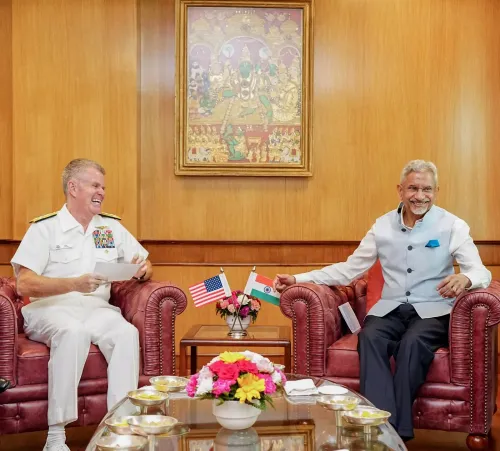
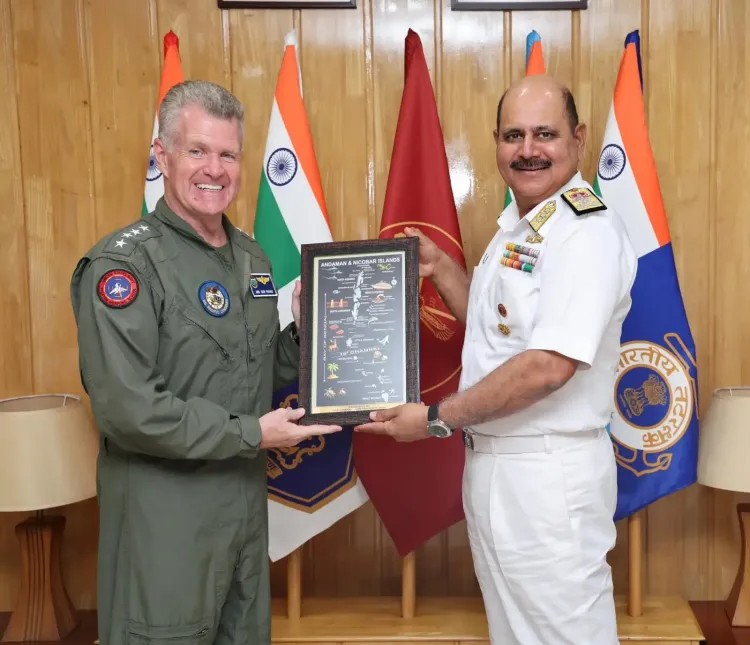
Admiral Samuel Paparo , USPACOM Commander, met Vice Admiral Vineet McCarty , Commander-in-Chief of the Andaman and Nicobar Command , on 12 October 2026 .
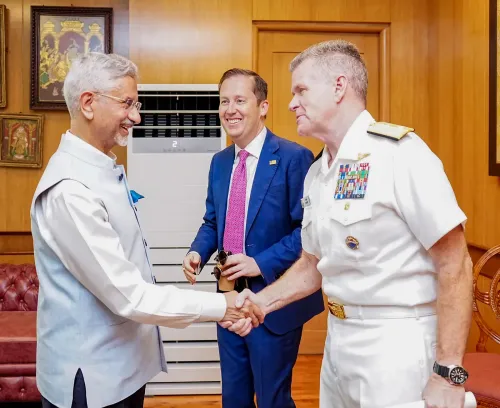
Paparo also met Defence Secretary Rajesh Kumar Singh to discuss deepening India-US strategic and defence cooperation.
A high-level gathering at Roosevelt House, New Delhi brought together CDS General N.
Raja Subramani , Army Chief General Dhiraj Seth , and other senior Indian defence officials.
USPACOM oversees approximately 400,000 military and civilian personnel across a region spanning roughly half the globe.
The visit signals continued momentum in the US-India Major Defence Partnership , with the ANC meeting highlighting the strategic importance of the Indo-Pacific maritime chokepoints.
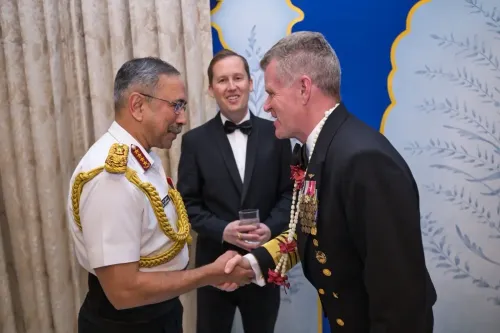
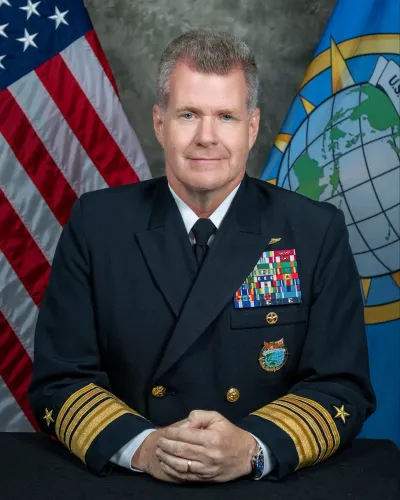
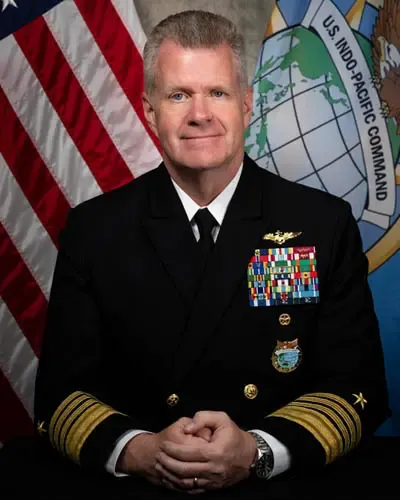
Admiral Samuel Paparo, Commander of the United States Pacific Command (USPACOM), held a high-level meeting with Vice Admiral Vineet McCarty, Commander-in-Chief of the Andaman and Nicobar Command (ANC), on 12 October 2026 to discuss continued defence cooperation and joint efforts towards a stable Indo-Pacific region. The meeting is the latest in a series of high-profile engagements during Admiral Paparo's visit to India, underlining the growing momentum of the US-India Major Defence Partnership.
Key Meetings During Paparo's India Visit
Ahead of his onward journey to Japan, Admiral Paparo's India itinerary included a substantive meeting with Defence Secretary Rajesh Kumar Singh, during which both sides explored avenues to deepen defence and strategic cooperation and exchanged views on regional and global developments. The Ministry of Defence confirmed the meeting, noting that discussions centred on strengthening bilateral strategic ties.
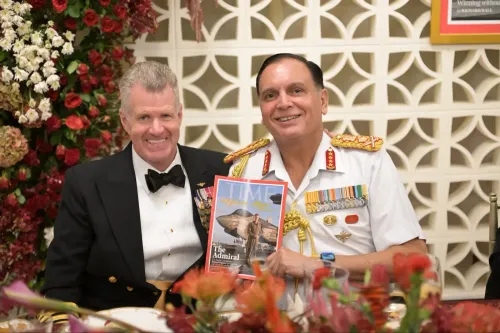
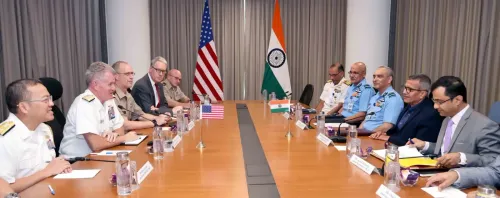
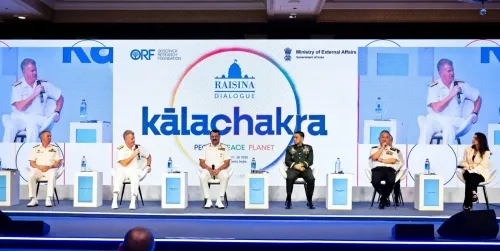
Earlier in the week, the US Embassy in India hosted a high-level gathering at Roosevelt House in New Delhi, bringing together Admiral Paparo, Montana Governor Greg Gianforte, Chief of Defence Staff General N. S. Raja Subramani, Chief of the Army Staff General Dhiraj Seth, and other senior Indian defence officials. The event was described as a signal of the growing strength, ambition, and importance of the partnership.
Senior Indian Military Leadership Engaged
Admiral Paparo's engagements extended across the top tier of India's military establishment. He met with Vice Chief of the Air Staff Air Marshal Ashutosh Dixit, Chief of Integrated Defence Staff Air Marshal Tejinder Singh, and other senior officials — a breadth of engagement that US Ambassador to India Sergio Gor described as underscoring the significance of the bilateral defence relationship.
Ambassador Gor described Admiral Paparo as 'one of America's most consequential military leaders,' noting that USPACOM is the nation's oldest and largest geographic combatant command, overseeing approximately 400,000 military and civilian personnel across a region spanning roughly half the globe.
The Strategic Significance of the ANC Meeting
The meeting with the Andaman and Nicobar Command carries particular strategic weight. The ANC, India's only tri-service command, sits astride the Strait of Malacca — one of the world's busiest maritime chokepoints — making it central to any coordinated Indo-Pacific maritime strategy. Notably, the ANC meeting took place en route to Japan, suggesting a broader Pacific-arc strategic consultation by Admiral Paparo.
This comes amid deepening US-India defence frameworks, including the Initiative on Critical and Emerging Technology (iCET) and ongoing cooperation under the Basic Exchange and Cooperation Agreement (BECA) and other foundational defence pacts signed in recent years.
What the US Embassy Said
The US Embassy in India posted on X that the meeting with Vice Admiral McCarty was part of a broader effort to work together towards a 'safer Indo-Pacific region.' The embassy's post characterised the visit as evidence that the 'U.S.-India Major Defense Partnership keeps moving forward,' reinforcing the diplomatic framing around these engagements as forward-looking and institutionally embedded rather than transactional.
What Comes Next
Admiral Paparo's visit to India and subsequent travel to Japan suggests a coordinated diplomatic and military outreach across US Indo-Pacific allies and partners. Analysts will watch whether these engagements translate into concrete deliverables — expanded joint exercises, technology-sharing agreements, or formal upgrades to the ANC's interoperability with USPACOM assets. The visit reinforces that the India-US defence relationship remains one of the most active bilateral military partnerships in the Indo-Pacific.
Point of View
Not a peripheral partner. The ANC meeting is especially telling: no US Pacific Command chief pays a visit to India's only tri-service command without signalling a shared interest in maritime domain awareness and chokepoint coordination near the Strait of Malacca. What is less clear is whether these high-visibility engagements are producing binding operational commitments — expanded joint patrols, interoperability upgrades, or intelligence-sharing frameworks — or whether they remain, for now, a confidence-building exercise dressed in uniform.
NationPress
12 Oct 2026
Frequently Asked Questions
Who is Admiral Samuel Paparo and why is his India visit significant?
Admiral Samuel Paparo is the Commander of the United States Pacific Command (USPACOM), the US military's oldest and largest geographic combatant command overseeing approximately 400,000 personnel across roughly half the globe. His India visit is significant because it involved meetings with the country's top defence leadership — including the CDS, Army Chief, and the Andaman and Nicobar Command chief — reflecting the deepening US-India Major Defence Partnership.
What is the Andaman and Nicobar Command and why does it matter to the Indo-Pacific?
The Andaman and Nicobar Command (ANC) is India's only tri-service military command, located at the strategic entry point to the Strait of Malacca — one of the world's busiest maritime chokepoints. Its location makes it central to Indo-Pacific maritime strategy, which is why a meeting between its Commander-in-Chief and the USPACOM chief carries considerable strategic significance.
Which Indian defence officials met Admiral Paparo during his visit?
Admiral Paparo met Defence Secretary Rajesh Kumar Singh, Chief of Defence Staff General N. S. Raja Subramani, Chief of the Army Staff General Dhiraj Seth, Vice Chief of the Air Staff Air Marshal Ashutosh Dixit, Chief of Integrated Defence Staff Air Marshal Tejinder Singh, and Vice Admiral Vineet McCarty, Commander-in-Chief of the Andaman and Nicobar Command.
What is the US-India Major Defence Partnership?
The US-India Major Defence Partnership is the formal framework governing bilateral defence and strategic cooperation between the two nations, encompassing foundational agreements such as BECA, LEMOA, and COMCASA, as well as initiatives like iCET. It covers joint exercises, technology sharing, and strategic consultations, and has deepened significantly over the past decade.
What is the broader context of Paparo's visit to India?
Admiral Paparo's India visit was part of a broader Indo-Pacific outreach, with onward travel to Japan, suggesting coordinated consultations across US allies and partners in the region. The visit came amid growing focus on maritime security, China's assertiveness in the Indo-Pacific, and the US push to strengthen defence architecture with partners like India.