India's 'strategic neutrality' between US and China: What a new report finds
Synopsis
A new report argues India is not simply tilting West — it is running a dual track, deepening Quad commitments while keeping China trade ties intact. The analysis frames this as a 'new paradigm' of political posturing across the Global South, but the sustainability of that balance, especially under Trump's unpredictability and ongoing border tensions with Beijing, is the real question.
Key Takeaways
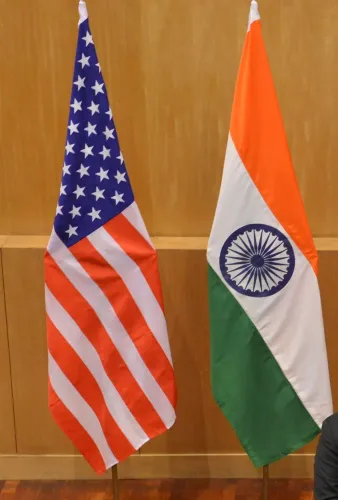
A Modern Diplomacy report describes India's foreign policy as 'strategic neutrality' — a deliberate balancing act between the US and China .
India is grouped with Indonesia , Brazil , and Saudi Arabia as Global South nations pursuing realist balancing strategies amid US–China bipolarity.
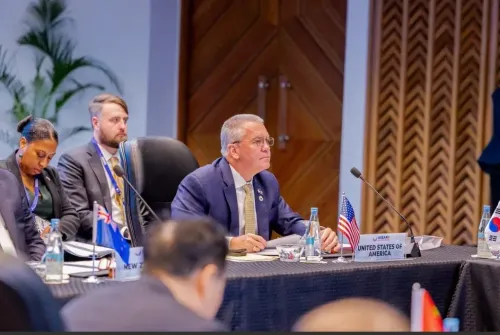
The Quad Foreign Ministers' Meeting on 26 May is cited as a key cooperative signal on energy and critical minerals security.
India's post-2014 doctrine of strategic autonomy prioritises international partnerships without value-based alliance constraints.
India–China trade ties date to a 1984 agreement and remain deep despite recurring military tensions along the border.
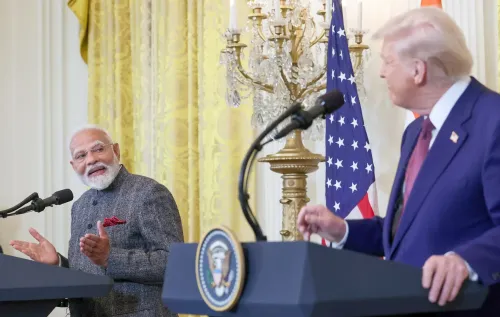
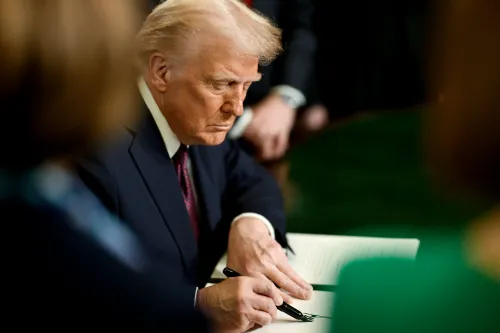
President Donald Trump's 'volatile decision-making' reportedly prompted New Delhi to reassess the pace and depth of US engagement.
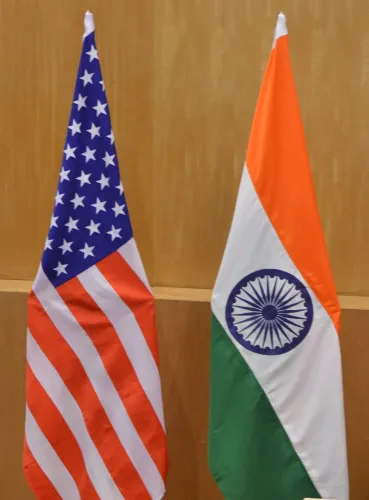
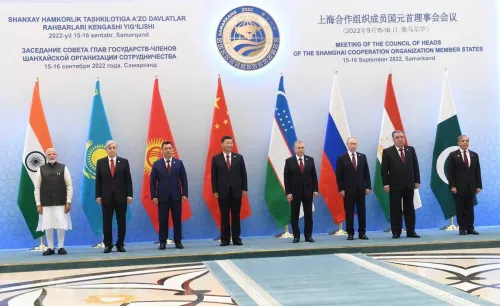
India's simultaneous engagement with both the United States and China reflects a deliberately calibrated posture of 'strategic neutrality', shaped by domestic political imperatives and deep economic interdependencies, according to a report published by Bulgaria-based journal Modern Diplomacy. The analysis, released in early June 2025, positions India alongside Indonesia, Brazil, and Saudi Arabia as nations across the Global South that are pursuing realist balancing strategies in the shadow of intensifying US–China bipolarity.
India's Balancing Act in the Indo-Pacific
The report highlights the Quad Foreign Ministers' Meeting of 26 May as a significant moment of cooperative signalling on energy and critical minerals security. The minilateral grouping — comprising the US, India, Japan, and Australia — was revitalised in 2017 in direct response to concerns over China's expanding regional influence.
According to the report, the Quad's post-2017 agenda has centred on reinforcing regional power through advances in technology, infrastructure, health, and climate development. Crucially, however, India's participation in the Quad has not precluded active economic engagement with Beijing — a dynamic the report describes as a 'new paradigm of political posturing.'
Strategic Autonomy Since 2014
The report traces India's current foreign-policy orientation to its post-2014 doctrine of strategic autonomy — a framework that prioritises favourable international partnerships without binding New Delhi to value-based alliances. Rather than restricting alignment to one of the two dominant powers, India is, according to the analysis, committing to a deliberate balancing act between them.
India's geostrategic position in the Indo-Pacific is identified as a primary driver of US interest. The report notes that Washington — geographically absent from the region except through military bases — relies on diplomatically leveraging the presence of cooperative regional states. 'Maintaining alignment with India on different fronts, especially infrastructural and technological, enables America to strategically entangle itself with India in order to leverage its geostrategic location,' the report stated.
Trump Factor and the Limits of US Alignment
The report also flags a recalibration in New Delhi's approach to Washington. The early phase of US President Donald Trump's 'volatile decision-making,' as the report characterises it, prompted India to reassess the depth and pace of its US engagement. The analysis argues this reinforces India's recognition of the need to avoid overdependency on any single partner — continuing the relationship where it yields mutual benefit, but maintaining deliberate distance from full strategic lock-in.
India-China Economic Ties: Deep and Durable
On the India–China front, the report underscores the durability of economic ties despite recurring military tensions. It notes that both countries signed a trade agreement in 1984 — marking the reopening of commercial relations following the 1962 border war — and that bilateral economic linkages have deepened considerably since. 'Today, India and China remain deeply interlinked,' the report observed, even as military escalation has been kept at bay.
This comes amid a broader global realignment, where middle powers are increasingly unwilling to be reduced to junior partners in a binary superpower contest. How long India can sustain this balancing act — and at what cost — will define its foreign-policy credibility through the rest of the decade.
Point of View
Especially as both Washington and Beijing demand clearer alignment on technology, supply chains, and sanctions regimes. The post-2014 strategic autonomy doctrine has served India well in a multipolar moment, but bipolarity compresses the space for ambiguity. Trump's unpredictability cuts both ways — it validates India's hedging instinct, but also reduces the reliability of the US as a long-term anchor. The harder question, which the report does not fully answer, is whether strategic neutrality is a sustainable doctrine or a holding pattern until the costs of non-alignment become too high.
NationPress
21 Oct 2026
Frequently Asked Questions
What is India's 'strategic neutrality' in the context of US-China rivalry?
Strategic neutrality refers to India's policy of engaging both the United States and China simultaneously, without fully aligning with either power. According to the Modern Diplomacy report, India balances Quad membership and US partnership on one hand with continued deep economic ties to China on the other, reflecting a realist approach to navigating superpower bipolarity.
What is the Quad and why does it matter for India's foreign policy?
The Quad is a minilateral security grouping comprising the US, India, Japan, and Australia, revitalised in 2017 in response to China's growing regional influence. It focuses on technology, infrastructure, health, and climate development in the Indo-Pacific. India's participation signals strategic alignment with Washington, though the report notes this has not stopped India from engaging China independently.
How have India-China economic ties evolved despite border tensions?
India and China signed a trade agreement in 1984, reopening commercial ties after the 1962 border war, and bilateral economic linkages have deepened significantly since. The Modern Diplomacy report notes that despite periodic military escalation, the economic dimension of the relationship has continued to thrive, with both countries remaining 'deeply interlinked.'
How has Donald Trump's presidency affected India's approach to the US?
According to the report, the early phase of President Donald Trump's 'volatile decision-making' led New Delhi to step back and reassess the relationship's viability. India's response reinforces its broader principle of avoiding overdependency — maintaining the partnership where it is mutually beneficial, but not deepening it to the point of strategic lock-in.
Which other countries follow a similar balancing strategy to India?
The Modern Diplomacy report identifies Indonesia, Brazil, and Saudi Arabia as nations that, like India, are pursuing realist balancing strategies shaped by US-China bipolarity but not entirely defined by it. Together, these Global South nations represent a broader trend of middle-power hedging rather than binary superpower alignment.