Senate Report Reveals How US Tariffs Disrupted India Relations and Quad Progress
Synopsis
A recent Senate report uncovers the detrimental impact of US tariffs on India, leading to a crisis of trust and stalling progress in Quad alliances. This highlights the geopolitical nuances affecting US-India relations and broader Indo-Pacific strategies.
Key Takeaways
US Tariffs: Imposed in 2025, these tariffs led to significant distrust between the US and India.
Impact on Quad: The tariffs stalled progress within the Quad alliance, affecting regional cooperation.
Geopolitical Shifts: The crisis empowered voices in India against closer ties with the US.
China and Russia's Gains: The diplomatic pause allowed these nations to deepen ties with India.
Strategic Importance: The Indo-Pacific region's stability is crucial for global geopolitics.
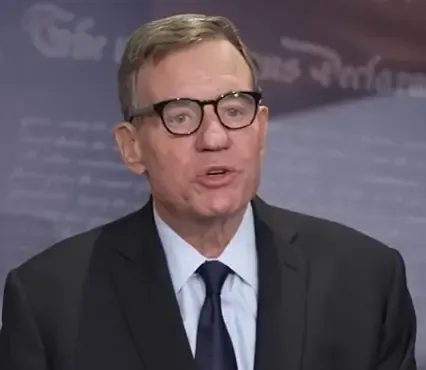
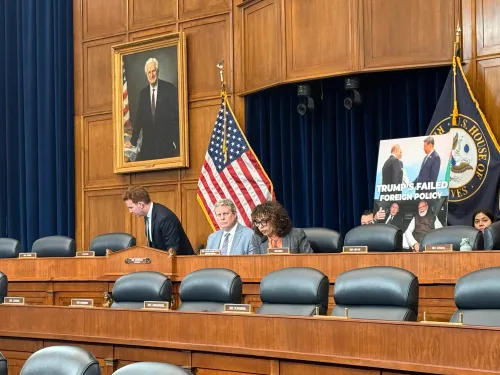
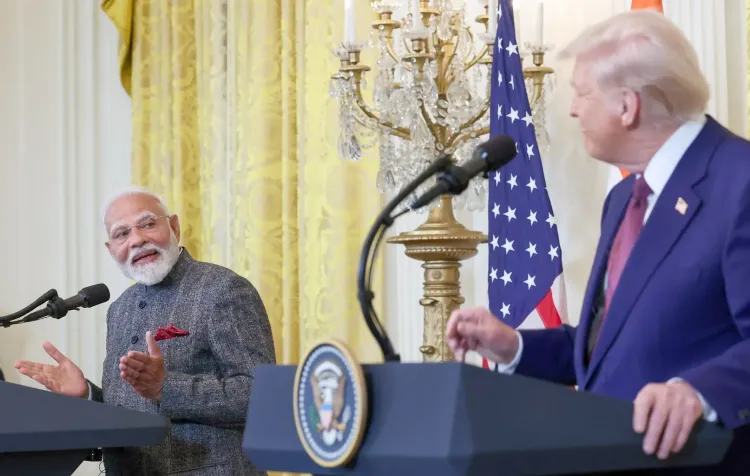
Washington, March 10 (NationPress) The tariffs that the US implemented on India in 2025 led to a significant "crisis of trust" between the two nations and decelerated progress in the Quad alliance, as outlined in a report by Democratic members of the US Senate Foreign Relations Committee.
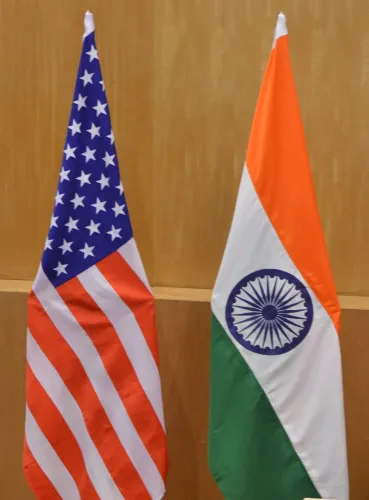
The report indicates that the high tariffs introduced by the Trump administration in August 2025 strained diplomatic relations with India, a key strategic partner for Washington in the Indo-Pacific.
“In India, a nation where previous five American Presidents and bipartisan Congressional efforts sought to cultivate a lasting strategic partnership, President Trump imposed tariffs… so excessive that it instigated a crisis of trust in the relationship,” the report elaborated.
The document mentions that the impasse lasted for six months, fueled partly by tensions regarding India’s ongoing purchases of Russian oil and Washington’s attempts to take credit for mediating the 2025 India-Pakistan conflict.
Moreover, the report suggests that the dispute bolstered political factions in India historically opposed to closer strategic ties with the United States.
“The crisis empowered voices in India aligned with Russia, who have long resisted substantial cooperation between the world’s two largest democracies,” stated the report.
The strains also impacted the Quad coalition, comprising the United States, India, Japan, and Australia.
The report indicated that the conflict “stalled momentum” in the Quad framework and caused the deferral of an anticipated US–India Leaders’ Summit.
This diplomatic hiatus offered openings for both China and Russia to enhance their engagement with New Delhi.
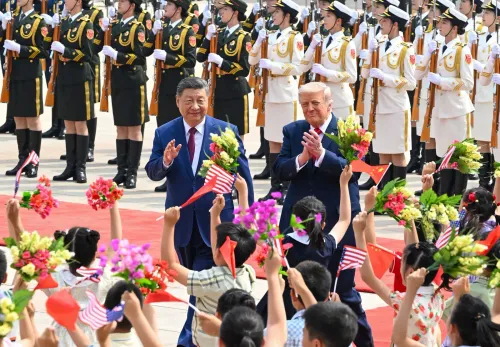
The report highlights multiple meetings between Chinese President Xi Jinping, Russian President Vladimir Putin, and Indian Prime Minister Narendra Modi during this time.
It also pointed out PM Modi’s visit to China — his first in seven years — as an illustration of how geopolitical dynamics evolved amidst the dispute.
The report underscores that these developments reveal how tensions between Washington and New Delhi can alter strategic alignments in Asia.
The Indo-Pacific region holds pivotal importance in global geopolitics, representing approximately half of the world’s population and nearly two-thirds of the global economy, as noted in the report.
For the United States, fostering strong partnerships in this region — especially with India — is deemed essential to counterbalancing China’s expanding economic and military influence.
However, the Senate report cautions that inconsistent policies toward allies may jeopardize this strategic approach.
“In the past year, tariff policies, the cessation of foreign aid programs, and fluctuating commitments to allies… have raised doubts about America’s dedication to a free and open Indo-Pacific,” the report stated.
The report further mentions that China has exploited these tensions by amplifying military activity in the Taiwan Strait and enhancing economic sway across the region.
The findings arise at a time when the United States and India aim to bolster defense cooperation and technology partnerships while navigating differences over trade and Russian policy.
Point of View
The Senate report highlights the complexities in US-India relations, emphasizing the need for consistent policies to maintain trust and strategic partnerships in a rapidly shifting geopolitical landscape.
NationPress
26 Sept 2026
Frequently Asked Questions
What caused the crisis of trust between the US and India?
The crisis of trust was triggered by steep tariffs imposed by the US on India in 2025, which strained diplomatic relations and slowed progress within the Quad alliance.
How did the tariffs affect the Quad partnership?
The tariffs stalled momentum within the Quad, leading to the postponement of a planned US–India Leaders’ Summit and allowing for deeper engagement from China and Russia with India.
What geopolitical implications arose from the US tariffs?
The tariffs led to a shift in strategic alignments in Asia, showcasing how tensions between the US and India could reshape international relations in the Indo-Pacific region.
What was the duration of the standoff caused by the tariffs?
The standoff lasted for six months and was influenced by various geopolitical tensions, including India's oil imports from Russia.
What does the report suggest about US foreign policy?
The report warns that inconsistent policies, such as tariffs and wavering commitments to allies, could undermine the US's strategy in maintaining a free and open Indo-Pacific.