Indian Americans blend Thanksgiving with food and seva
Synopsis
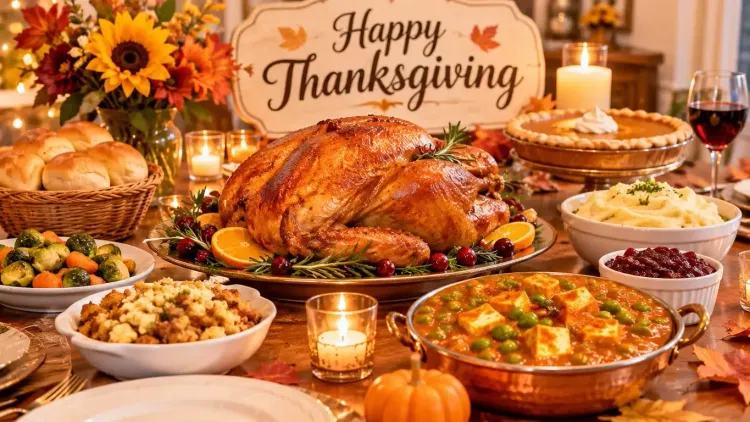
Tandoori-spiced turkey, matar paneer with cranberry sauce and meals prepared through seva show how some Indian American families and volunteers have made Thanksgiving their own.
Key Takeaways
ISKCON of Houston has invited everyone to its annual Thanksgiving feast on 26 November .
ISKCON of New York City is organising a Brooklyn dinner featuring paneer kebab and quinoa pulao, with proceeds supporting a book-distribution campaign.
Let’s Share a Meal volunteers prepared meals in Jersey City on 14 November for a Thanksgiving and Guru Nanak Dev Ji seva drive.
Sunita Advaney’s family prepared both a traditional turkey and one with tandoori spices, biryani and boiled eggs.
Native Americans and others have gathered in Plymouth, Massachusetts , for a National Day of Mourning since 1970 , according to Pilgrim Hall Museum .
Indian Americans are marking Thanksgiving in the United States with meals that bring Indian dishes to the holiday table and community initiatives rooted in service. Ahead of the observance on Thursday, 26 November, temple dinners and food drives offer ways to share the occasion beyond family gatherings.
Accounts from families and chefs describe traditions ranging from tandoori-spiced turkey to cranberry sauce served with matar paneer. The holiday also carries a different meaning for some Indigenous Americans, who remember dispossession and violence.
Temple dinners and community service
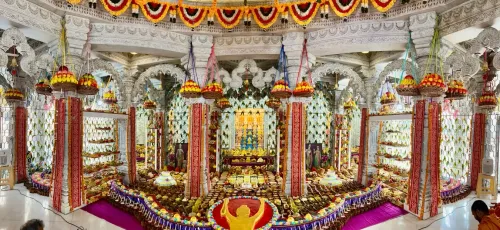
ISKCON of Houston has announced its annual Thanksgiving feast for 26 November and says everyone is invited. In Brooklyn, ISKCON of New York City is organising an evening dinner at Govinda’s, with proceeds supporting a book-distribution campaign.
The Brooklyn menu includes quinoa pulao, baked paneer kebab, vegetable quiche and cheesecake. The mix places dishes associated with different food traditions on the same holiday menu.
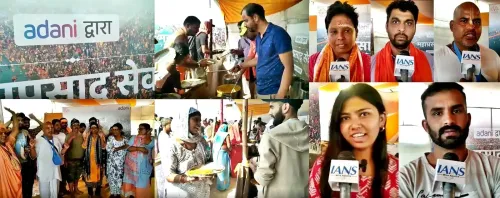
In Jersey City, volunteers gathered on 14 November to prepare meals through Let’s Share a Meal. The organisation listed the event as its annual Thanksgiving and Guru Nanak Dev Ji seva drive.
The New Jersey nonprofit describes its work as rooted in the Sikh traditions of seva, or selfless service, and langar, a communal kitchen open to all. Its volunteers prepare and distribute food to people in need.
Family tables adapt to new traditions
Some family accounts trace their Thanksgiving customs to the experience of learning to prepare turkey after moving to the United States. In an account published on journalist Lavina Melwani’s website in 2016, Shirley Khemlani recalled making her first turkey after moving to New York in 1979.
“I’d never seen that kind of a bird and the size really intimidated me,” Khemlani said. She sought recipes from neighbours, according to the account.
In the same account, Sunita Advaney recalled asking her immigrant parents about Thanksgiving when she was seven. Her father bought a bird and the accompaniments, beginning a family tradition.
After Advaney learned to cook, the family made two turkeys: one traditional and another coated in tandoori spices and stuffed with biryani and boiled eggs. The account also described how Meena Patel prepared a vegetarian spread for her Gujarati family while asking her non-vegetarian sister-in-law to bring a turkey for children who wanted it.
Chefs and food writers blend familiar flavours
In a 2019 interview with The Splendid Table, chef Maneet Chauhan described a restaurant menu inspired by Nashville’s combination of meat and three side dishes. She called her version “Thanksgiving meat and nine”.
It featured turkey tikka masala, a paneer alternative, vegetable pulao-biryani stuffing, cranberry five-spice chutney and sweet potato raita. Chauhan also remembered a faculty member inviting students who could not travel home to a family meal during her first Thanksgiving in the United States; that hospitality remained part of her understanding of the holiday.
Food writer Priya Krishna described another approach in a 2018 essay for Bon Appétit. Her family’s spread included matar paneer, squash, chickpeas and puri alongside cranberry sauce.
Krishna wrote that her mother recognised the sauce’s resemblance to chutney, after which it became a fixture at the table. She saw no need to add Indian spices to make it belong.
The holiday’s history and different meanings
George Washington designated 26 November as a day of thanksgiving in 1789, while Abraham Lincoln proclaimed an observance on the last Thursday of November in 1863. Congress established the fourth Thursday as the federal holiday in legislation signed by President Franklin D. Roosevelt in December 1941.
For some Indigenous Americans, the day is also an occasion to remember dispossession and violence. Native Americans and others have gathered in Plymouth, Massachusetts, for a National Day of Mourning since 1970, according to Pilgrim Hall Museum.
The Smithsonian’s National Museum of the American Indian encourages teaching that includes Wampanoag perspectives often missing from familiar accounts of the first Thanksgiving. As this year’s advertised gatherings approach, their menus and service initiatives offer examples of how the holiday is observed in different ways.
Point of View
Though service should not obscure the holiday’s contested history. Including Indigenous perspectives alongside immigrant experiences gives readers a fuller understanding of what the day means to different communities.
NationPress
24 Nov 2026
Frequently Asked Questions
How do Indian Americans celebrate Thanksgiving?
Some Indian Americans celebrate Thanksgiving with family meals that combine Indian dishes and traditional holiday foods, while others participate in temple gatherings and food drives. The accounts described include tandoori-spiced turkey, vegetarian spreads and cranberry sauce served with matar paneer.
What is seva in an Indian American Thanksgiving food drive?
Seva means selfless service and can include preparing food for people in need. Let’s Share a Meal says its work is rooted in seva and langar, the Sikh tradition of a communal kitchen open to all.
What is on the ISKCON Thanksgiving dinner menu in Brooklyn?
The advertised Govinda’s menu includes quinoa pulao, baked paneer kebab, vegetable quiche and cheesecake. ISKCON of New York City says the dinner’s proceeds will support a book-distribution campaign.
Why is Thanksgiving also a National Day of Mourning?
For some Indigenous Americans, Thanksgiving is a day to remember dispossession and violence. According to Pilgrim Hall Museum, Native Americans and others have gathered in Plymouth, Massachusetts, for a National Day of Mourning since 1970.
When is Thanksgiving observed in the United States?
Thanksgiving is observed as a federal holiday on the fourth Thursday of November in the United States. Congress established that timing in legislation signed by President Franklin D. Roosevelt in December 1941.