Former Diplomat Applauds India's Energy Security Strategy Amid West Asia Conflict
Synopsis
Explore how India's proactive measures under Prime Minister Modi have secured energy supply routes amid the escalating West Asia conflict. A former diplomat highlights the nation's strategic diversification and ongoing assessments to ensure stability.
Key Takeaways
India has diversified its energy supply sources.
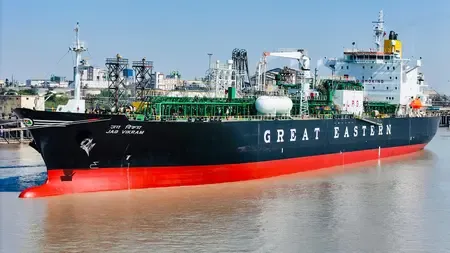
Safe transit for vessels through the Strait of Hormuz has been secured.
Constant monitoring of the situation is a priority for the government.
Increased purchases of Russian oil enhance energy security.
Geopolitical tensions in West Asia affect global energy stability.
New Delhi, April 1 (NationPress) A former diplomat has commended the Indian government's swift response to the ongoing turmoil in West Asia. She emphasized that New Delhi has successfully diversified its energy supply sources and ensured the secure passage of Indian vessels through the crucial Strait of Hormuz.
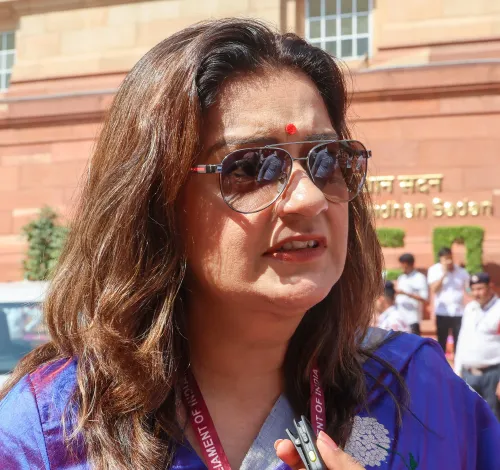
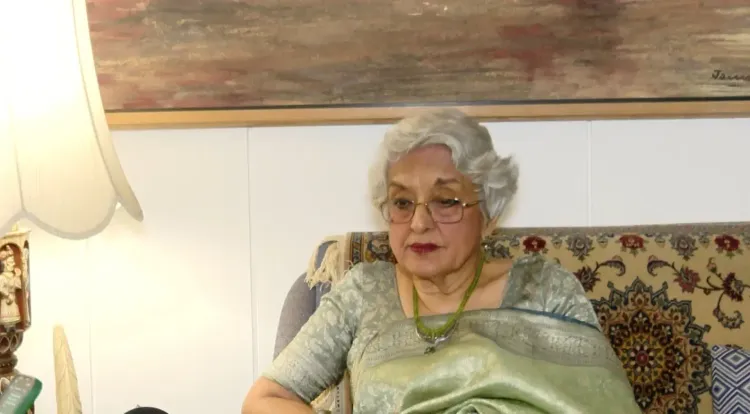
In a conversation with IANS, Veena Sikri noted that the administration under Prime Minister Narendra Modi is consistently monitoring the evolving scenario due to its unpredictable nature.
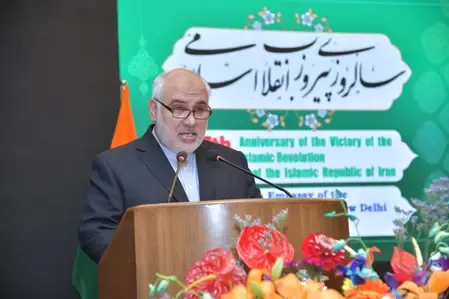
When asked about the strategies India should implement for energy security and diplomatic relations in light of potential escalations, Sikri asserted, "India has not delayed its actions. From the very beginning, our focus has been on energy security, and we have effectively diversified our supply sources. We have made significant progress, including negotiations with Iranian President Dr. Masoud Pezeshkian, allowing numerous Indian vessels to transit through the Strait of Hormuz, with hopes for more in the coming days."
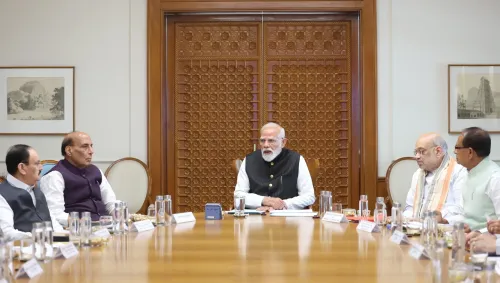
"Furthermore, we have significantly increased our imports of Russian oil and possibly natural gas, which has bolstered our energy security. However, the situation remains fluid. Prime Minister Modi is convening a cabinet security committee today to continuously assess the circumstances. In times of conflict, scenarios can shift rapidly, necessitating ongoing evaluations and adjustments to our plans," she added.
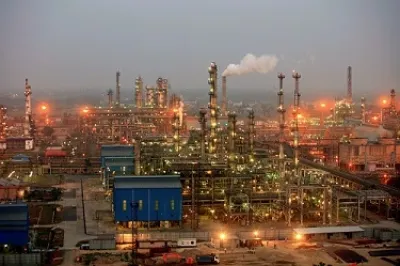
The conflict in West Asia has raised alarms regarding regional security and the global energy landscape, especially considering the strategic significance of the Strait of Hormuz, a vital oil transit corridor.
On March 21, PM Modi engaged in a discussion with Pezeshkian about the prevailing security conditions in West Asia. During this dialogue, PM Modi condemned assaults on critical infrastructure in the area and stressed the importance of protecting freedom of navigation while maintaining secure shipping routes.
Sikri remarked, "Labeling it a limited war would be an understatement; it is indeed a maximum war. The extensive missile attacks on Iran are costly, with billions of dollars already expended. The assault on Iran on February 28 was predicated on the belief that eliminating Supreme Leader Khamenei would dismantle Iran’s organizational structure, rendering them incapable of resistance. However, Iran had anticipated this and decentralized its operations, with the IRGC already deploying units with specific targets. As a result, they have been resilient and have targeted Gulf nations, causing significant disruptions in their economic infrastructures. For instance, the Ras Laffan gas field in Qatar has seen a 17% drop in production, necessitating USD 26 billion and five years for restoration."
"Thus, the implications are far from trivial; they are substantial and serious. While the initial impact may have hinted at a limited conflict, the reality has evolved due to Iran's response, compelling increased American involvement. As of Thursday morning (India time), US President Trump is scheduled to deliver a special address, the content of which remains uncertain—whether it will announce a withdrawal from Iran or the deployment of ground troops. Reports indicate that approximately 50,000 US troops are now present in the Gulf region, up from an initial 40,000, bolstered by additional Marine Expeditionary Units. The situation is critical, and it is unlikely that these forces will be withdrawn without action, potentially targeting Kharg Island or another agreed-upon site," she concluded.
Point of View
The Indian government is demonstrating a commendable commitment to securing energy resources and maintaining regional stability during a tumultuous period. The ongoing evaluations by leadership reflect a proactive approach in safeguarding national interests amidst evolving geopolitical challenges.
NationPress
22 Sept 2026
Frequently Asked Questions
What measures has India taken for energy security?
India has diversified its energy supply sources and secured safe transit for vessels through the Strait of Hormuz.
What is the significance of the Strait of Hormuz?
The Strait of Hormuz is a vital oil transit route, critical for the global energy supply.
What recent discussions occurred between India and Iran?
PM Modi discussed the security situation with Iranian President Dr. Masoud Pezeshkian, emphasizing the importance of navigation security.
What impact has the conflict in West Asia had on global markets?
The ongoing conflict has raised concerns regarding regional stability and the fluctuations in global energy markets.