Bipartisan Leaders Advocate for Ongoing Diplomatic Relations with Iran as Indian Tankers Navigate Hormuz
Synopsis
In a recent development, leaders from various political parties have expressed support for Iran's decision to allow Indian tankers through the Strait of Hormuz, highlighting the necessity of sustained diplomatic engagement with Tehran. This pivotal moment underscores the importance of international relations amid rising tensions in West Asia.
Key Takeaways
Diplomatic Engagement: Leaders emphasize the need for ongoing dialogue with Iran.
Energy Security: Indian tankers are essential for maintaining energy supplies.
Geopolitical Significance: The Strait of Hormuz is crucial for India's maritime trade.
Bipartisan Support: Political unity is evident regarding foreign relations with Iran.
Recent Discussions: High-level talks preceded the decision, highlighting proactive diplomacy.
New Delhi, March 14 (NationPress) On Saturday, leaders from various political factions expressed their support for Iran’s decision to permit Indian-flagged tankers to transit through the Strait of Hormuz, marking it as a significant and encouraging step. They underscored the necessity for ongoing diplomatic dialogue with Tehran.
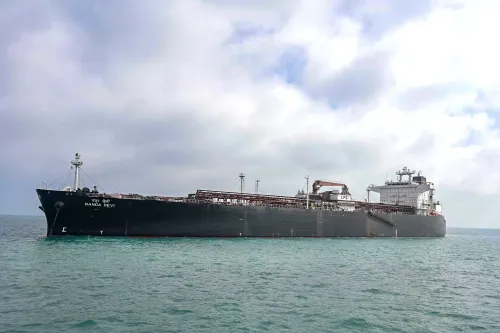
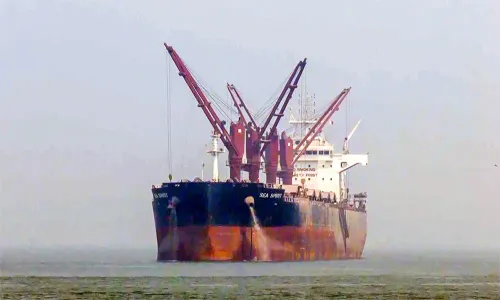
According to government officials, the ship Shivalik is currently under the escort of the Indian Navy and is anticipated to dock at an Indian port within two days, with Mumbai or Kandla as potential destinations. The vessel has safely entered open waters, navigating under Indian Navy supervision.
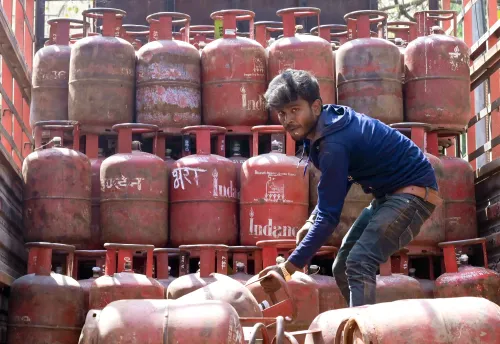
In addition, another ship, Nanda Devi, is transporting over 46,000 metric tonnes of Liquefied Petroleum Gas (LPG), a vital component for sustaining India’s energy infrastructure, as stated by officials.
This advancement follows a high-profile discussion between Prime Minister Narendra Modi and Iranian President Masoud Pezeshkian concerning the uninterrupted movement of goods and energy resources.
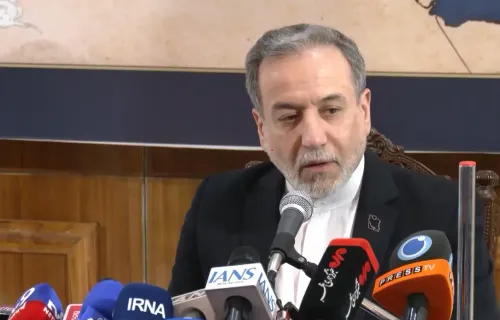
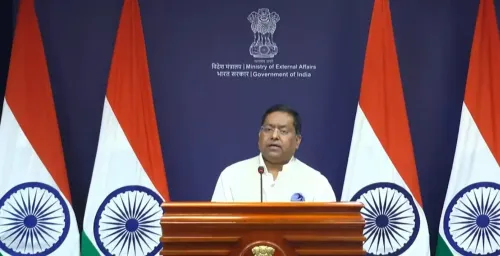
External Affairs Minister S. Jaishankar has also engaged in multiple conversations with his Iranian counterpart, Abbas Araghchi, amidst rising tensions and conflicts in West Asia.
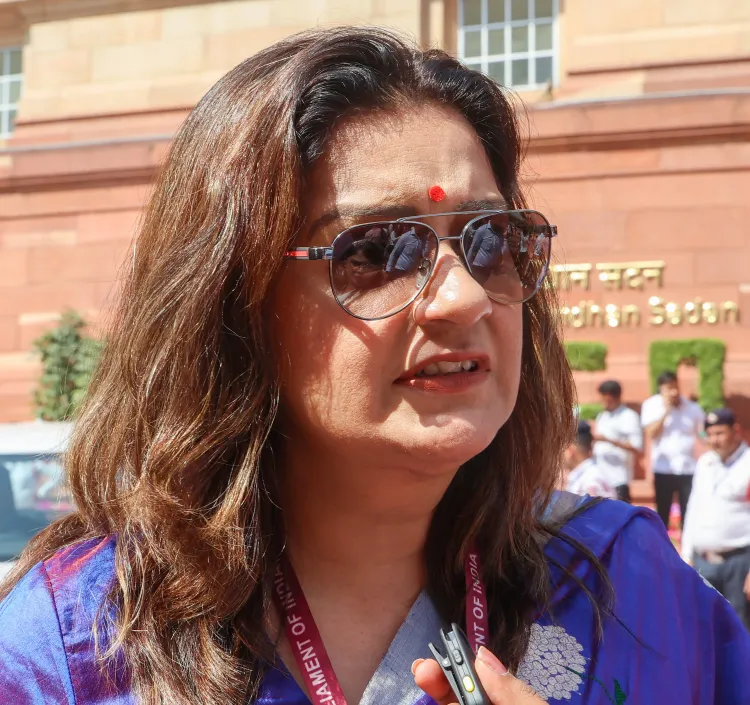
In response to this development, Shiv Sena (UBT) MP Priyanka Chaturvedi welcomed the agreement, noting that it followed India’s clearer stance on issues relating to Iran.
“I appreciate the granted permission; however, it was only after India articulated a position on Iran that this permission was given. It is crucial to recognize that when the conflict erupted involving Iran, Israel, and the US, there was no immediate response from our end following Khamenei's death,” Chaturvedi told IANS.
“Our discontent was directed towards Khamenei’s oppressive regime, yet we also acknowledge his role as a spiritual leader for the Shia community. India has deep-rooted connections with Iran, and it is imperative to address violations of sovereignty, especially when Israel launched attacks prior to any formal declaration of war,” she continued.
Chaturvedi highlighted that Prime Minister Modi's recent conversation with the Iranian President occurred only two days prior.
“The Prime Minister's dialogue with the Iranian President was rather delayed, hence the subsequent release of the ships was also postponed,” Chaturvedi stated.
RJD MP Manoj Kumar Jha also commended the development, emphasizing the significance of India's diplomatic heritage and the government’s recent outreach efforts.
“India’s legacy is civilizational. I am pleased that in the last two days, Jaishankar has communicated five times with his counterparts, and the Prime Minister also reached out to Iran's President. Delays in diplomatic communications can lead to complications, but this is a positive step forward, and I hope normalcy will be restored soon as the crisis is apparent,” Jha remarked.
Congress MP Mohammad Jawed expressed gratitude towards Iran for its decision, describing it as a reassuring gesture for India during these challenging times.
“It is a joyous moment that Iran, one of India’s oldest allies, has provided significant support during this crisis by permitting the two ships. This offers us relief, and we are sincerely thankful,” he said.
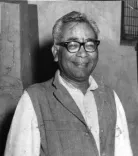
BJP leader and Chairman of the Rajasthan Finance Commission, Arun Chaturvedi, characterized the situation as a diplomatic victory for India under Prime Minister Modi's leadership.
“This indeed represents a substantial diplomatic success for India. In recent days, under Prime Minister Narendra Modi’s leadership, India has embraced a policy of inclusiveness, ensuring that our national interests are safeguarded while fostering dialogue and cooperation with all parties involved,” he stated.
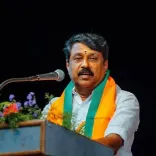
Samajwadi Party spokesperson Fakhrul Hasan Chand also emphasized the importance of protecting India’s interests while maintaining diplomatic relations with all parties.
“In times of diplomatic conflict, India must prioritize its own interests. The Samajwadi Party firmly believes that the nation's interests should take precedence. It is essential to maintain diplomatic dialogues to ensure robust relationships with Iran and other nations,” he concluded.
Point of View
It is evident that India is navigating complex geopolitical waters. The decision by Iran to allow Indian tankers to cross the Strait of Hormuz is a crucial step that underscores the importance of diplomatic engagement. With leaders across party lines emphasizing this necessity, it reflects a unified approach to maintaining India's interests in a volatile region.
NationPress
12 Oct 2026
Frequently Asked Questions
What prompted Iran to allow Indian tankers through Hormuz?
Iran's decision to permit Indian tankers was influenced by diplomatic discussions between leaders from both nations, highlighting the importance of maintaining energy supplies and trade relations.
Why is the Strait of Hormuz significant for India?
The Strait of Hormuz is a vital maritime corridor for India's energy imports, making it crucial for India's energy security and trade.
What role did India's government play in this development?
The Indian government, through the Prime Minister and External Affairs Minister, actively engaged in diplomatic conversations with Iranian officials to facilitate the passage of tankers.
How have Indian leaders reacted to this decision?
Indian leaders across various political parties have expressed their support for Iran's decision, emphasizing the need for continued diplomatic engagement.
What are the implications of this development for India?
This development strengthens India's diplomatic ties with Iran and ensures the stability of energy supplies during a time of regional tension.