How is India’s Hajj Assistance a Model of Inclusiveness and Efficiency?
Synopsis
Explore how India's Hajj assistance framework has evolved into a beacon of inclusiveness and efficiency, providing equal opportunities for pilgrims from all walks of life. This article delves into the transformative changes that have made Hajj a fairer experience for millions.
Key Takeaways
Inclusiveness: The Hajj assistance model ensures equal access for all pilgrims.
Efficiency: Streamlined processes reduce the influence of middlemen.
Healthcare: Free medical services for elderly pilgrims enhance their experience.
Empowerment: Women can now travel without male guardians.
Transparency: Abolition of the subsidy redirected funds to education and welfare.
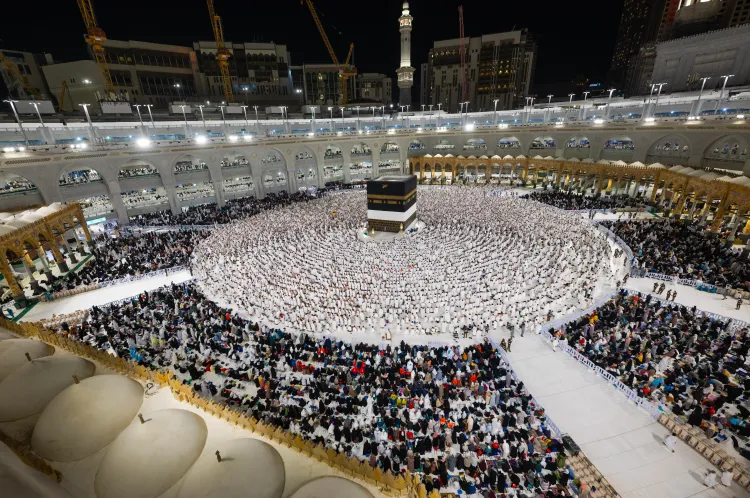
London, Jan 12 (NationPress) The yearly Hajj pilgrimage, recognized as one of the largest religious congregations globally, challenges the faith of countless Muslims and the organizational prowess of governments.
In India, the Hajj assistance framework has transformed into a model characterized by inclusivity and efficiency, guaranteeing fair access for pilgrims from various social and regional backgrounds.
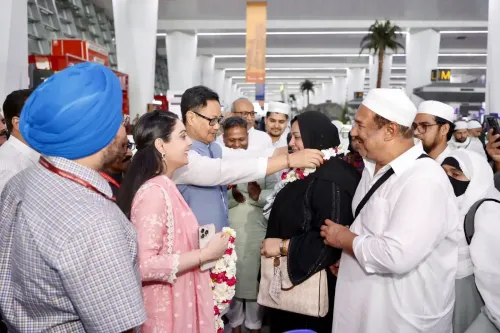
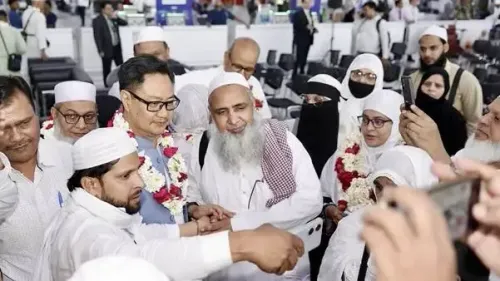
As reported by Khaleej Times, from the point an Indian pilgrim submits an application until the concluding rites at Arafat, Mina, and Muzdalifah, the role of the Indian government is more facilitative than intrusive.
The focus is on service, not mere symbolism—ensuring safety, dignity, and equal opportunity without any form of discrimination or favoritism. Khaleej Times mentions that the introduction of online applications, digital lotteries, and timely documentation has streamlined the process, curtailing the influence of middlemen.
Regardless of whether a pilgrim hails from a bustling metropolis or a distant village, the procedure is uniform—there are no shortcuts for the powerful, nor hidden obstacles for the underprivileged.
A key reform noted by the newspaper is the elimination of the Hajj subsidy in 2018.
Although initially met with criticism, this decision redirected funds towards education and welfare, while travel expenses were optimized through improved negotiations with airlines and Saudi authorities. The outcome was a more transparent framework where religious obligations were facilitated responsibly.
Additionally, the report highlighted India’s inclusive representation approach. Delegations comprise doctors, paramedics, sanitation workers, translators, and volunteers from across the nation.
Medical missions offer free healthcare, especially for elderly pilgrims, with Indian doctors receiving commendations for their around-the-clock service in clinics located in Mecca and Medina.
This is diplomacy manifested through service, not speeches. The report also mentioned the special focus on women pilgrims. India’s choice to allow them to travel unaccompanied by a male guardian, complying with Saudi regulations, opened doors for widows, single women, and the elderly.
Inclusiveness is further showcased through language support, featuring training sessions, manuals, and helplines in various Indian languages to accommodate different regions.
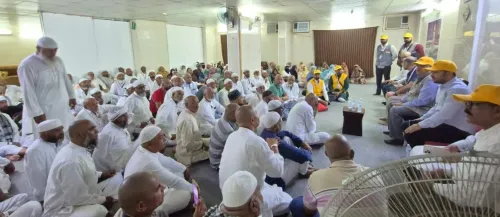
In Saudi Arabia, Indian officials manage accommodations, transport, food, and crowd control to ensure that pilgrims experience neither segregation nor disadvantage.
The newspaper noted that India’s approach avoids any form of religious exceptionalism, framing Hajj assistance as part of the broader constitutional promise of equality and religious freedom.
For lakhs of Indian pilgrims, many of whom save for years to embark on Hajj, this support is tangible—be it the reassurance of a medical camp, the comfort of hearing one’s native language abroad, or the confidence derived from consular assistance in moments of distress.
India’s Hajj assistance structure stands as a quiet yet powerful testament to how a diverse democracy can honor devotion with dignity, the report concluded.
Moreover, it was emphasized that India’s facilitation of Hajj is part of a broader tradition of supporting significant religious events, from the Kumbh Mela to the Amarnath Yatra.
This equality reinforces national trust, demonstrating that secular governance can celebrate diversity without hierarchy.
For pilgrims, the journey is not only spiritual but also a lived example of how democracy can deliver fairness in matters of faith.
Point of View
I firmly believe that India's approach to Hajj assistance exemplifies the nation's commitment to inclusivity and fairness in governance. This initiative not only respects the diverse fabric of our society but also reinforces the principle that faith should be accessible to all without barriers. Such models of support are vital in fostering national unity and trust.
NationPress
20 Sept 2026
Frequently Asked Questions
What is India's Hajj assistance framework?
India's Hajj assistance framework is a system designed to facilitate a smooth pilgrimage experience for Indian Muslims, emphasizing inclusivity and efficiency. It provides equal opportunities regardless of socio-economic status.
What reforms were introduced in the Hajj process?
Significant reforms include the abolition of the Hajj subsidy, introduction of online applications, and improved coordination with airlines and Saudi authorities to ensure transparency and fairness.
How does India support women pilgrims during Hajj?
India allows women to travel without a male guardian, adhering to Saudi regulations, thereby empowering widows, single women, and the elderly to undertake the pilgrimage.
What services are provided to pilgrims?
Services include free healthcare from medical missions, language support through manuals and helplines, and comprehensive management of accommodation and transport in Saudi Arabia.
Why is India's approach to Hajj significant?
India's approach is significant as it frames Hajj assistance within the constitutional promise of equality and freedom of religion, demonstrating how a diverse democracy can provide fair religious experiences.