Sitharaman at G20 Asheville: Iran, trade tensions, energy security on India's agenda
Synopsis
India heads into the Asheville G20 Finance Ministers meeting with a tightrope to walk: Washington wants allies to squeeze Iran economically, but New Delhi has the Chabahar port and decades of ties at stake. Add surging energy costs, cheap Chinese imports, and a pitch to attract global supply chains — and Sitharaman's two days in North Carolina carry far more weight than a routine multilateral calendar event.
Key Takeaways
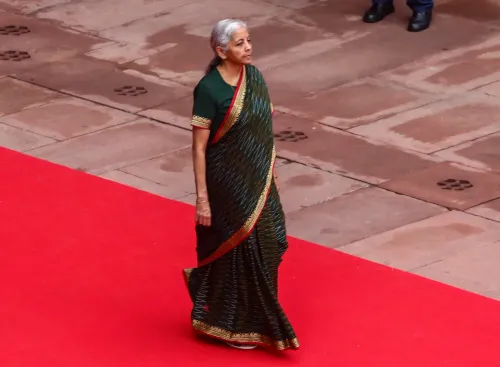
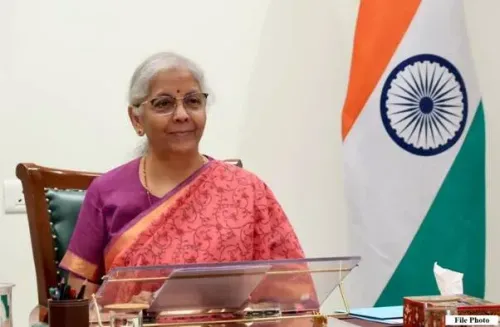
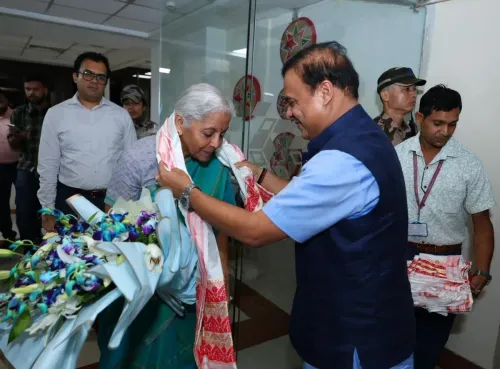
Finance Minister Nirmala Sitharaman arrived in Asheville, North Carolina on 31 August for the G20 Finance Ministers and Central Bank Governors meeting.
India's top concerns include energy security , Iran-linked disruptions to the Strait of Hormuz , and rising crude and freight costs.
The Trump administration is expected to press G20 members to cut commercial ties with Iran — a direct tension with India's Chabahar port interests.
India will caution against unilateral tariffs while also flagging the impact of low-cost Chinese imports on domestic steel , chemicals , and electronics sectors.
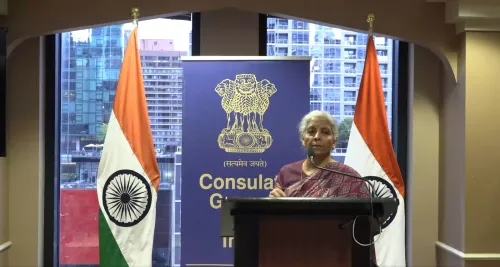
Sitharaman pitched India as a global manufacturing and investment hub at a Chicago business roundtable ahead of the meeting.
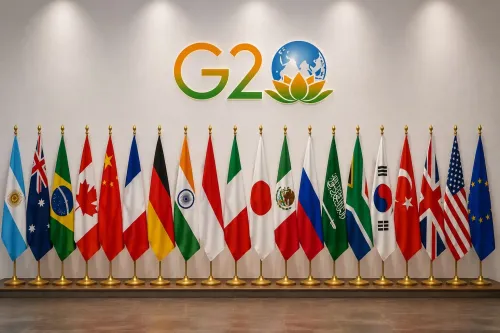
The Asheville meeting is a precursor to the G20 leaders' summit in Miami in December , hosted by President Donald Trump .
Finance Minister Nirmala Sitharaman arrived in Asheville, North Carolina on 31 August to attend the G20 Finance Ministers and Central Bank Governors meeting, with energy security, escalating trade tensions, and Washington's push to tighten economic pressure on Iran expected to dominate India's engagement over two days of deliberations.
Key Concerns for India
The economic fallout from the Iran conflict — particularly any disruption to commercial shipping through the Strait of Hormuz — is a pressing worry for New Delhi. Higher crude oil, natural gas, freight, and insurance costs could swell India's import bill, stoke inflation, and weigh on the rupee. India imports a significant share of its energy needs and is acutely exposed to any sustained supply shock from the region.
The Trump administration is expected to press G20 members to curtail commercial ties with Tehran, arguing these provide Iran with an economic lifeline. India, however, maintains longstanding diplomatic and economic interests in Iran — including the strategically significant Chabahar port project — and will need to carefully balance those ties against its deepening partnership with Washington.
Trade Imbalances and the China Question
Trade imbalances are set to be another flashpoint. The United States wants the G20 to scrutinise industrial policies that foster excess production and allow heavily subsidised goods to flood global markets. While US officials have not publicly named China, the description closely mirrors longstanding American concerns about Beijing's export-driven economic model.
India has its own grievances about cheap Chinese imports undercutting domestic industries — particularly in steel, chemicals, electronics, and renewable energy manufacturing. At the same time, New Delhi is expected to caution against unilateral tariffs and protectionist measures that could disproportionately harm emerging economies, including India itself.
India as an Alternate Investment Hub
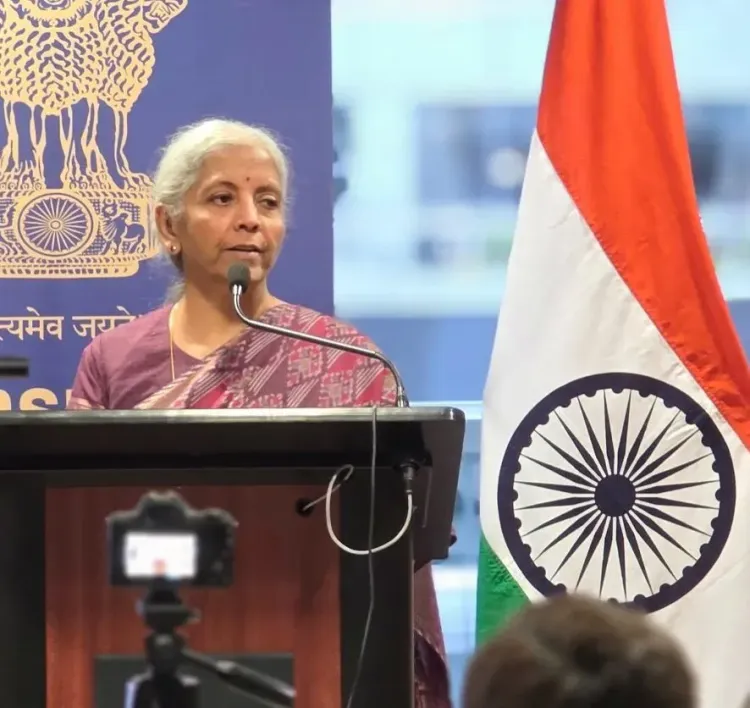
Sitharaman is expected to use the Asheville platform to actively pitch India as a preferred manufacturing and investment destination, particularly as global companies reassess supply chains in a fragmented trade environment. Ahead of the G20 meeting, she addressed a business roundtable in Chicago, urging multinationals to set up manufacturing bases and technology and innovation centres in India.
'The policy environment is increasingly focused on enabling businesses to invest, manufacture, innovate and expand,' she said. She also asked investors to view India not merely as a large consumer market but as 'a platform for manufacturing, innovation and exports.' Sitharaman highlighted opportunities spanning artificial intelligence, digital technologies, financial services, infrastructure, food processing, defence, and advanced technologies.
Sovereign Debt and Multilateral Reform
Sovereign debt restructuring is also on the agenda. India has consistently advocated for faster and more transparent debt relief mechanisms for distressed economies and greater coordination among multilateral institutions and major creditors. New Delhi is also expected to push for reforms to multilateral development banks to expand their capacity to fund infrastructure in emerging economies.
US Treasury Secretary Scott Bessent, who is hosting the meeting, posted on X that the US was prioritising growth as host of this year's G20 Finance Track, adding: 'We look forward to convening policymakers and private sector leaders from around the globe to emphasize that stronger growth is not only possible, but necessary.' The Asheville meeting feeds into the broader G20 leaders' summit that President Donald Trump is scheduled to host in Miami in December.
Point of View
India's pitch as an alternative to China in global supply chains is credible only if it can demonstrate consistent policy stability — something the G20 stage helps signal, but domestic execution must ultimately deliver.
NationPress
31 Aug 2026
Frequently Asked Questions
Why is India attending the G20 Finance Ministers meeting in Asheville?
Finance Minister Nirmala Sitharaman is attending the G20 Finance Ministers and Central Bank Governors meeting in Asheville, North Carolina, on 31 August and 1 September to engage on global growth, trade imbalances, sovereign debt, and energy security. India is using the platform to advance its interests on Iran-related economic pressures, supply chain realignment, and multilateral development bank reform.
Why does the Iran conflict matter to India at the G20?
Any disruption to shipping through the Strait of Hormuz could drive up crude oil, natural gas, freight, and insurance costs for India, which is a major energy importer. This would inflate India's import bill, add to domestic inflation, and pressure the rupee. India also has strategic interests in Iran through the Chabahar port project, complicating its response to US pressure for tougher sanctions.
What is India's position on trade imbalances at the G20?
India shares US concerns about heavily subsidised, low-cost imports — particularly from China — affecting domestic industries such as steel, chemicals, and electronics. However, New Delhi is expected to oppose unilateral tariffs and protectionist measures that could harm emerging economies, advocating instead for multilateral solutions through the G20 framework.
What did Sitharaman say to global investors ahead of the G20 meeting?
At a business roundtable in Chicago, Sitharaman urged global companies to establish manufacturing bases and innovation centres in India. She described India as 'a platform for manufacturing, innovation and exports' and highlighted opportunities in AI, digital technologies, financial services, infrastructure, defence, and food processing.
How does the Asheville G20 meeting connect to the larger G20 summit?
The Asheville Finance Ministers meeting is part of the G20 Finance Track, which feeds into the G20 leaders' summit that US President Donald Trump is scheduled to host in Miami in December. Decisions and frameworks agreed at the finance-track level typically shape the agenda for the leaders' summit.