Iran’s Ghalibaf Threatens to Close Hormuz Strait Amid US Naval Blockade
Synopsis
Iran's Parliament Speaker warns of potential closure of the vital Strait of Hormuz in response to the ongoing US naval blockade. This significant geopolitical tension raises questions about international maritime safety and energy supply.
Key Takeaways
Iran's Parliament Speaker warns of closing the Strait of Hormuz.
The US naval blockade has prompted this warning.
Nearly 20% of global oil supply travels through the Strait.
Ghalibaf claims all recent US statements about negotiations are false.
The geopolitical implications of this situation are significant.
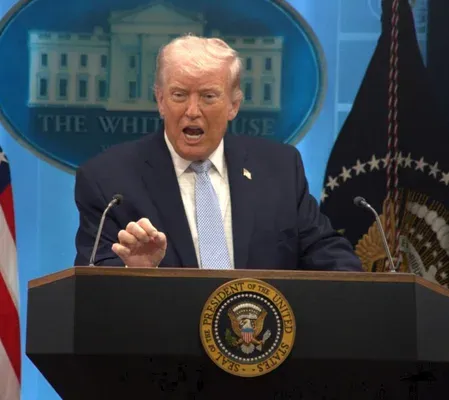
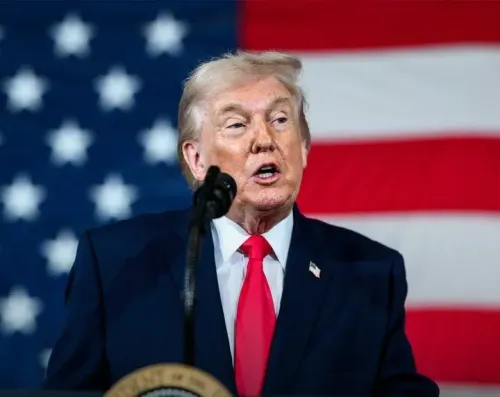
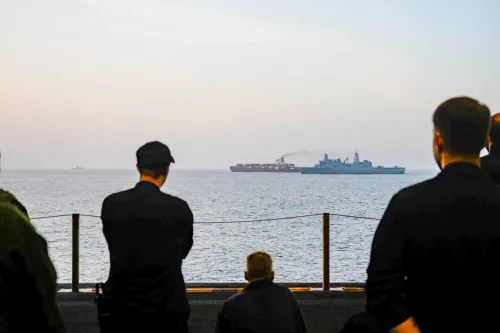
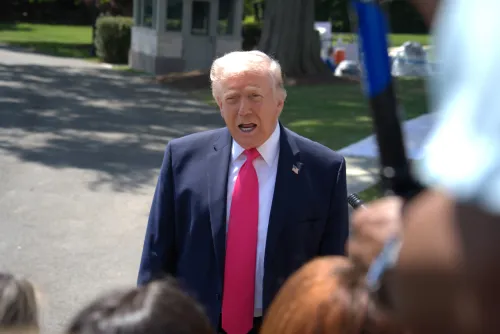
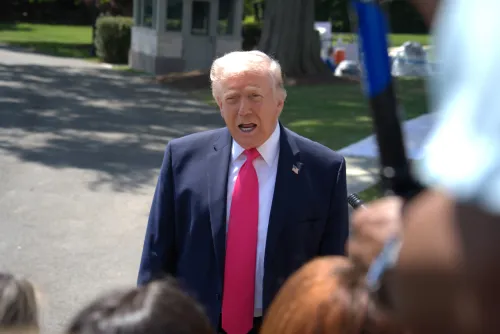
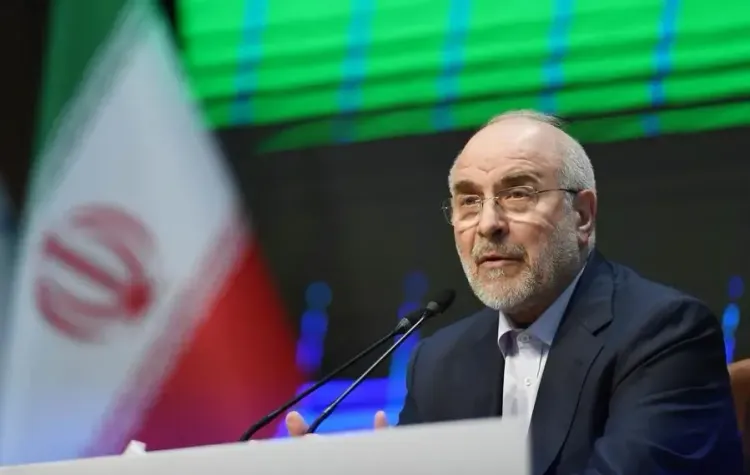
Tehran, April 18 (NationPress) The Speaker of the Iranian Parliament, Mohammed Bagher Ghalibaf, has issued a stern warning to US President Donald Trump, indicating that Iran may close the Strait of Hormuz if the naval blockade imposed by the United States continues.
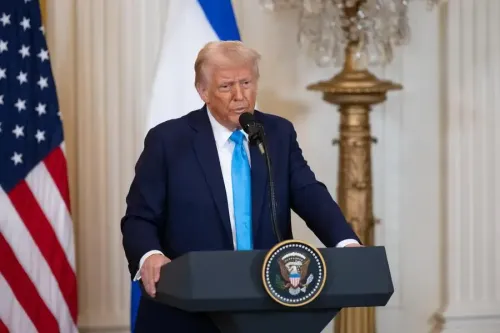
This statement followed shortly after Trump announced that the restrictions would remain in “full force.”
In a message posted on X, Ghalibaf emphasized that Iran would strictly regulate maritime traffic through this vital waterway.
“If the blockade persists, the Strait of Hormuz will not stay open,” he asserted, adding that passage would only be sanctioned along a “designated route” and with “Iranian authorization.”
His comments came just hours after Iranian officials declared that the Strait of Hormuz was open to commercial shipping during the current ceasefire.
Iran’s Foreign Minister Abbas Araghchi confirmed, “In accordance with the ceasefire in Lebanon, commercial vessels are completely permitted passage through the Strait of Hormuz for the duration of the ceasefire, adhering to the coordinated route as announced by the Ports and Maritime Organization of Iran.”
In response to Tehran's stance, Trump reiterated that the naval blockade would remain until a more comprehensive “transaction” with Iran is reached, claiming that the conclusion of this process would occur “very quickly,” as he believed key issues had already been negotiated.
Ghalibaf rejected the US claims, stating, “They did not win the war with these falsehoods, and they will certainly not succeed in negotiations either. The status of the Strait and its regulations will be determined by reality, not by social media.”
The Iranian parliamentary leader further claimed that Trump had made “seven statements in one hour,” all of which he deemed “false,” although he did not elaborate on the specific claims.
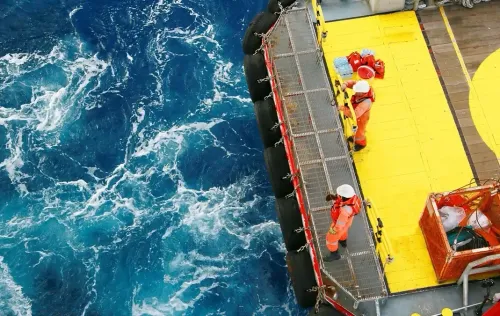
The Strait of Hormuz is one of the planet's most crucial energy routes, facilitating nearly 20% of the world's oil supply.
Point of View
This unfolding situation reflects significant geopolitical tensions. Iran's firm stance on the Strait of Hormuz underscores the critical importance of this waterway in global energy supply and highlights the delicate balance of power in the region. The potential for escalation could impact not only regional stability but also international markets.
NationPress
18 Sept 2026
Frequently Asked Questions
What is the significance of the Strait of Hormuz?
The Strait of Hormuz is a strategic waterway that handles nearly 20% of the world's oil supply, making it crucial for global energy trade.
Why is Iran threatening to close the Strait of Hormuz?
Iran's warning comes in response to the ongoing US naval blockade, which they believe threatens their sovereignty and maritime rights.
What has been the US response to Iran's threats?
President Trump has stated that the naval blockade will remain until a comprehensive deal with Iran is finalized.
How has Iran's government reacted to US claims?
Iranian officials, including Ghalibaf, have dismissed US claims as false and emphasized that the regulations governing the Strait will be determined by facts on the ground.
What impact could this have on global oil markets?
Any disruption in the Strait of Hormuz could significantly affect oil prices and supply chains worldwide, prompting concerns in global markets.