Iran's Transition Blueprint: Strengthening Ties with India and Reviving Chabahar Port
Synopsis
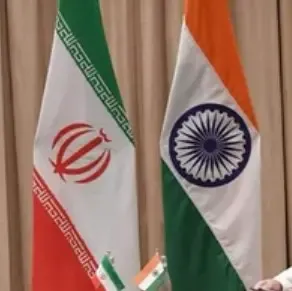
The Iranian opposition's plan for a post-Islamic Republic era emphasizes strengthening ties with India through the revival of the Chabahar Port and restoring crude oil exports, aiming to reshape Iran's economic landscape.
Key Takeaways
Iran's transition plan emphasizes collaboration with India.
Revival of Chabahar Port is a central theme.
Focus on restoring crude oil exports to India.
Plans to stabilize the economy post-regime change.
Engagement with neighboring countries is also prioritized.
Washington, March 8 (NationPress) A strategic framework created by Iranian opposition leaders envisioning governance following the collapse of the Islamic Republic emphasizes the revival of the Chabahar Port initiative in collaboration with India and the restoration of sustainable crude oil exports to the world’s most rapidly expanding energy market.
This proposal is detailed in the Emergency Phase Booklet of the Iran Prosperity Project, an extensive plan that outlines how a transitional administration could stabilize Iran’s economy and foreign relations in the initial six months post-regime change.
The 178-page document highlights India as a crucial economic and strategic ally in a future Iranian foreign policy aimed at reconstructing trade relations and attracting global investments after enduring years of sanctions and isolation.
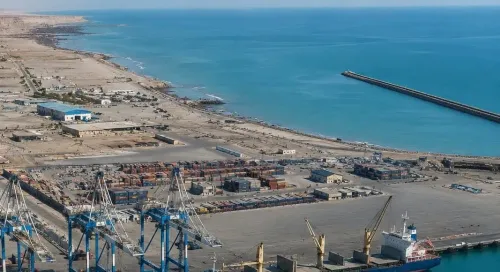
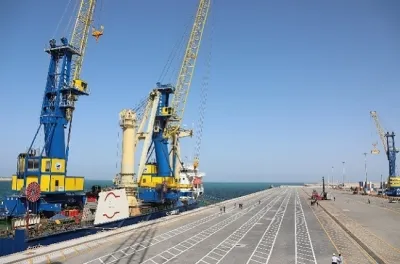
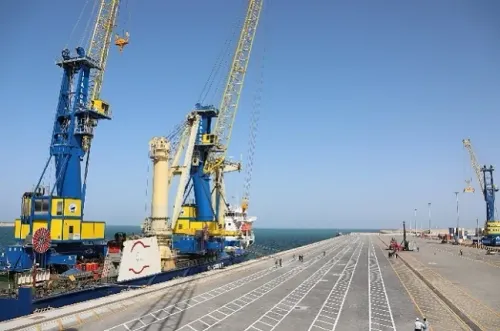
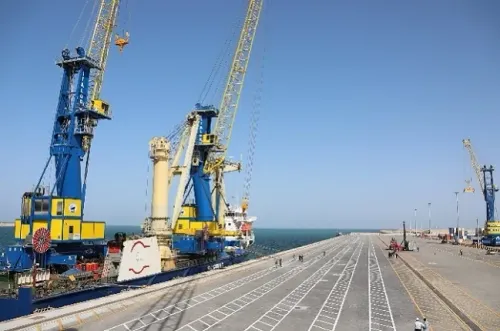
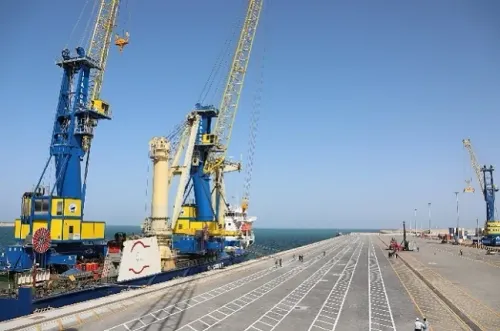
According to the plan, Iran is set to recommence its partnership with New Delhi on the development of the Chabahar Port, located on the southeastern coast, transforming it into a commercial nexus linking the Persian Gulf and the Indian Ocean with Central Asia.
For India, this port has consistently been recognized as a vital entry point to Afghanistan and the wider Central Asian territories, circumventing Pakistan.
The framework also includes the revival of crude oil shipments to India, which was historically one of Iran’s largest energy clients before US sanctions dramatically restricted trade.
In its broader geopolitical perspective, the document identifies India as a pivotal Asian partner as Iran endeavors to reposition itself as a regional economic and transit hub bridging the Middle East with South and Central Asia.
The report further elaborates on recalibrating relationships with major global powers, including China and Russia, while striving to maintain a balance between economic partnerships and national independence.
The prospective leadership of Iran, as articulated in the document, would reassess existing strategic accords with these nations while continuing cooperation founded on transparency and mutual benefits.
Additionally, the blueprint proposes enhancing engagement with neighboring countries, including Pakistan, particularly in domains like border security, counterterrorism efforts, and curtailing cross-border militant activities.
At the heart of the transition strategy is exiled Crown Prince Reza Pahlavi, the son of Iran’s last monarch, who has united technocrats, academics, and members of the Iranian diaspora to formulate a governance framework for the country following the potential collapse of the current regime.
Pahlavi and his collaborators present this initiative as a roadmap to restore institutions, stabilize the economy, and prepare the nation for democratic elections and constitutional reforms.
The document posits that Iran’s geographical location—positioned between the Persian Gulf, the Indian Ocean, and Central Asia—could enable the nation to evolve into a significant commercial crossroads once sanctions are lifted and international relations are normalized.
India has already made an investment exceeding $120 million in the development of the Shahid Beheshti terminal at Chabahar port, part of a long-standing initiative to enhance trade routes linking India to Afghanistan and Eurasia.
However, the project's progress has occasionally been slow, hindered by sanctions on Iran, financial limitations, and the changing geopolitical dynamics in the region.
For those behind the transition plan, revitalizing Chabahar and rekindling energy commerce with India would signify a larger reopening of Iran’s economy—marking its return to global trade after decades of seclusion.
Point of View
This development signifies a crucial shift in Iran's geopolitical strategy. The emphasis on collaboration with India and the revival of significant projects like Chabahar Port indicates a desire for economic recovery and enhanced international relations, which could reshape the region's dynamics.
NationPress
30 Sept 2026
Frequently Asked Questions
What is the Chabahar Port project?
The Chabahar Port project is a strategic initiative aimed at developing a port in southeastern Iran, enhancing trade routes between Iran and India, and connecting to Central Asia.
Why is India considered a key partner for Iran?
India is viewed as a crucial economic and strategic ally for Iran, especially for trade and energy exports, particularly following years of sanctions that isolated Iran.
What are the main goals of the Iran Prosperity Project?
The primary goals include stabilizing Iran's economy, restoring international relations, and preparing the country for democratic governance following a potential regime change.
How much has India invested in Chabahar Port?
India has invested over $120 million in the development of the Shahid Beheshti terminal at Chabahar Port.
What impact could the revival of Chabahar Port have?
Reviving Chabahar Port could enhance trade connections, especially with Afghanistan and Central Asia, and signify Iran's return to global commerce.