Is Instability in Iran Threatening India's Chabahar Port?
Synopsis
The unrest in Iran raises serious concerns for India's strategic Chabahar Port investment. As protests spread, officials worry about potential delays and the implications for trade routes. With regional stability at stake, how will India navigate this turbulent landscape?
Key Takeaways
Iran's protests are widespread, affecting over 100 cities.
India's investment in Chabahar Port is at risk due to instability.
The port is crucial for bypassing Pakistan to access Central Asia.
Protests could delay critical infrastructure projects.
India must navigate geopolitical challenges with China.
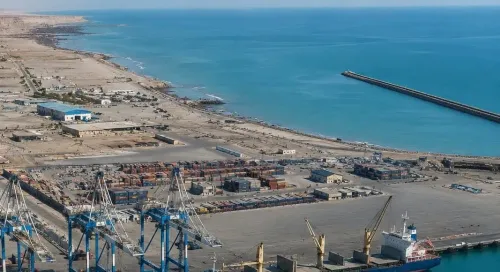
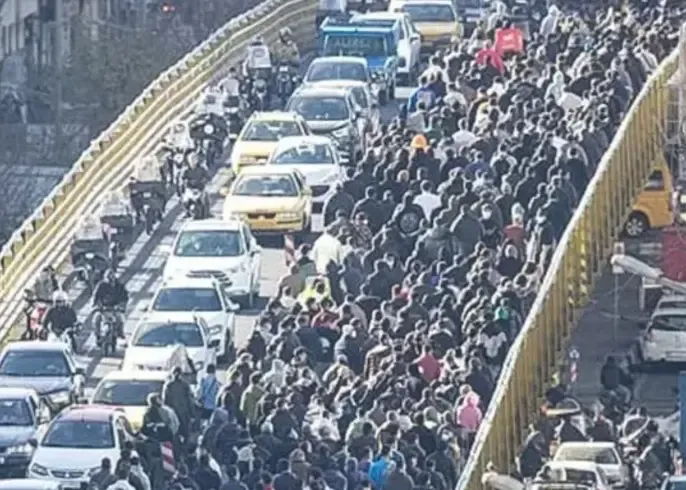
New Delhi, Jan 10 (NationPress) The landscape in Iran has become increasingly tumultuous, with protests erupting in more than 100 cities across the nation. India is vigilantly observing these developments as the instability of the Iranian regime escalates. This situation poses a significant risk to India's crucial investment in the Chabahar Port.
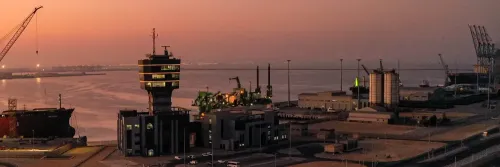
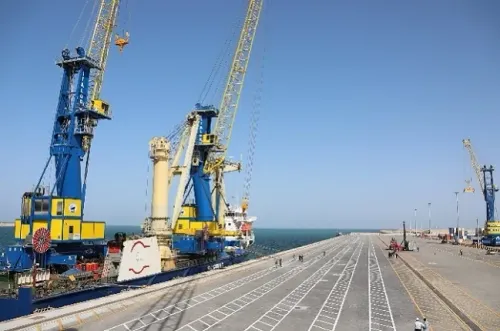
Officials in New Delhi express that these protests raise serious concerns regarding the safety and ongoing operations at this vital port, where India has invested nearly $500 million. While there is currently no threat to the project itself, the continuity of operations is at stake. If protests escalate and lead to a regime change, significant delays could ensue, an official warned.
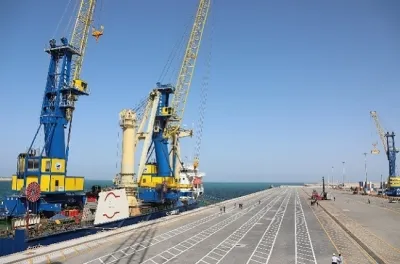
The Chabahar Port holds immense strategic value for India, acting as a crucial entry point to bypass Pakistan and reach Afghanistan, Russia, Europe, and Central Asia. This port is instrumental in realizing India's Connect Central Asia policy. Once operational, it will enhance trade with landlocked nations such as Uzbekistan, Turkmenistan, and Kazakhstan.
Moreover, the port features prominently in the International North-South Transport Corridor (INSTC), a comprehensive 7,200 km ship-rail-road network linking India to Iran, Russia, Europe, and the Caspian Sea, reducing transit times by nearly 40% and costs by around 30%.
The ongoing protests threaten to delay the project’s completion, which would undermine India's strategic advantages, officials caution. A key component of the INSTC is the Chabahar–Zahedan railway project, and unrest could hinder rail connectivity, ultimately affecting the corridor's efficiency.
New Delhi is apprehensive that the unprecedented protests in Iran might disrupt cargo handling and infrastructure development at Chabahar. The protests have already resulted in internet blackouts and supply chain disruptions, all of which are impacting the project. Thus, restoring normalcy in Iran is crucial for India.
Security agencies in Iran are currently facing a daunting challenge in managing the situation. Compounding this issue is the declining morale among the lower ranks of the Islamic Revolutionary Guards (IRG) due to the worsening economic crisis. These factors have escalated insecurity among workers, who fear potential targeting by protesters amid the chaos.
India is also wary of potential moves by China during this period of instability. China is known to capitalize on such situations in other countries. The Chabahar Port serves as a counterbalance to China’s expanding influence at Gwadar Port in Pakistan, situated just 170 km away.
For India, Chabahar is vital for monitoring Chinese naval activities in the Arabian Sea and the Indian Ocean. India hopes for a swift resolution to the unrest in Iran to protect its strategic investments. Furthermore, with China's significant advancements in Gwadar, any delays at Chabahar could hinder India's long-term plans, an official pointed out.
Mass protests erupted in Iran starting December 28, 2025, driven by a deepening economic crisis and widespread frustration with the Islamic Republic Government. Initially sparked by rising inflation and food prices, the protests quickly evolved to call for regime change.
Beginning with shopkeepers, the protests have since garnered participation from students and the general populace, spreading to over 100 cities across Iran.
Point of View
It is essential to remain vigilant about the developments in Iran that could affect India's geopolitical interests. The situation is fluid, and while the protests raise concerns, it is crucial to approach the narrative with a balanced perspective, considering both the risks and opportunities for India.
NationPress
23 Sept 2026
Frequently Asked Questions
What is the significance of the Chabahar Port for India?
The Chabahar Port is strategically important for India as it serves as a gateway to Afghanistan and Central Asia, allowing India to bypass Pakistan and enhance trade with landlocked nations.
How are the protests in Iran affecting the Chabahar Port project?
The protests in Iran have raised concerns about potential delays in cargo handling and infrastructure development at the Chabahar Port, impacting India's strategic investments.
What economic factors sparked the protests in Iran?
The protests began due to rising inflation, food prices, and the devaluation of the Iranian Rial, which quickly evolved into calls for regime change.
Why is India concerned about China's involvement during Iran's instability?
India is wary of China's potential maneuvers during this period of instability, particularly in relation to the Gwadar Port in Pakistan, which poses a challenge to India's strategic interests.
What measures is India taking in response to the situation in Iran?
India is closely monitoring the protests and assessing the impact on its investments in the Chabahar Port, emphasizing the need for stability to ensure the continuity of operations.