Iran's Ghalibaf: Trust Evasion by US During Negotiations
Synopsis
In a revealing statement, Iranian Parliament Speaker Mohammad Baqer Ghalibaf criticized the US for failing to establish trust during recent negotiations, despite Iran's readiness to engage in 'good faith.' The outcomes of these discussions have significant implications for future diplomatic relations and nuclear negotiations.
Key Takeaways
Iran's Ghalibaf highlights US trust issues.
Negotiations ended without a consensus.
US aims to secure long-term commitments from Iran.
Ongoing tensions over Iran's nuclear program persist.
International community closely monitors developments.
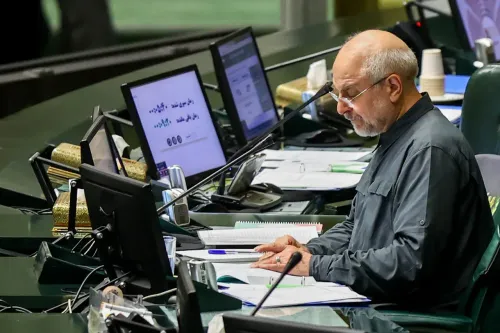
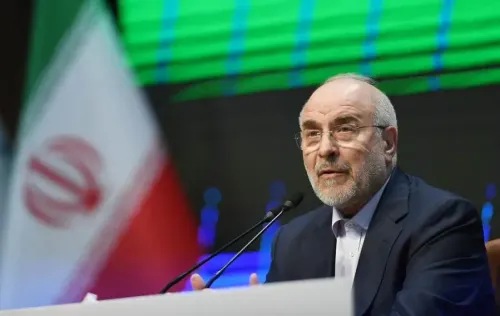
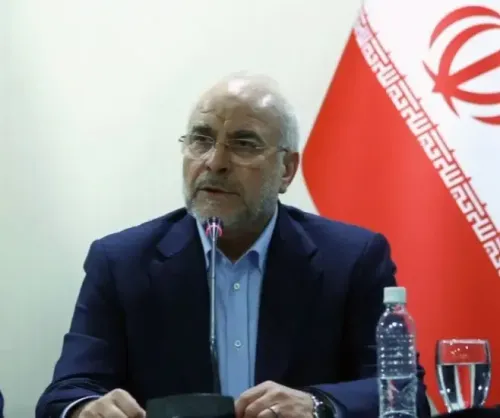
Tehran, April 12 (NationPress) Speaker of the Iranian Parliament, Mohammad Baqer Ghalibaf, expressed on Sunday that the United States has not succeeded in establishing trust with Iran during the recent discussions, even though he noted Tehran's readiness to proceed in "good faith".
In a series of updates on X, Ghalibaf pointed out that the Iranian team presented "forward-looking initiatives", but the US was unable to gain their trust. He highlighted that the US must determine whether it can earn Iran's confidence and comprehend Tehran's rationale and principles.
Prior to the negotiations, he reiterated their genuine intentions, stating that while they possess the necessary good faith and willingness, past experiences from two wars have left them skeptical of the opposing side. He remarked, "My colleagues on the Iranian delegation introduced forward-looking initiatives, but the opposing side ultimately could not secure the trust of the Iranian delegation in this round of discussions."
In another post, he remarked, "The US has grasped our logic and principles, and now it must decide if it can earn our trust."
Ghalibaf's comments follow the unsuccessful high-level talks between US and Iranian representatives in Pakistan, which he led. He commended the Iranian populace for responding to the Supreme Leader's call and expressed appreciation to his team for their dedication during the 21-hour negotiations.
He stated on X, "We view every mirror as an alternative method of authority diplomacy, in conjunction with military efforts, to uphold the rights of the Iranian nation. We will tirelessly work to consolidate the accomplishments of Iran's national defense over the past forty days."
Expressing gratitude, he added, "Iran comprises 90 million souls, all of whom heroically supported us by taking to the streets, following the Supreme Leader's guidance. For this, I am thankful, and I commend my colleagues for their efforts in these intense negotiations."
The failed discussions signify a setback in the attempts to rejuvenate diplomatic engagement concerning Iran's nuclear program, a longstanding source of discord between Washington and Tehran. Previous negotiations have faltered over verification protocols, sanctions relief, and the extent of Iran's enrichment activities.
In the meantime, US Vice President J D Vance announced that negotiations with Iran did not yield an agreement following over 20 hours of discussions in Islamabad, cautioning that Tehran's refusal to accept Washington's terms was "bad news for Iran much more than it's bad news for the United States."
Vance noted, "We have been engaged for 21 hours, and we've had several substantive discussions with the Iranians. That's the good news. The bad news is that we have not reached an agreement."
The Vice President confirmed that US negotiators had clearly articulated their stance, but Tehran opted not to accept the terms proposed.
He stated, "We have delineated our red lines, the aspects we are willing to accommodate, and those we cannot compromise on, making it as clear as possible, yet they have chosen to reject our terms."
Vance stressed that the primary objective of the US remains preventing Iran from developing nuclear weapon capabilities.
"It is essential that we see a definitive commitment from them not to pursue nuclear weapons and the means to quickly achieve such capabilities." He also indicated that Washington seeks long-term assurances from Tehran, not merely temporary agreements.
"We need to observe a fundamental commitment on the part of the Iranians not to develop nuclear weapons—not just now, or two years from now, but for the foreseeable future. We have yet to see that commitment. We remain hopeful that we will," Vance concluded.
He confirmed that Washington has presented what it believes is its final proposal.
Point of View
The international community watches closely for the next steps in this complex diplomatic landscape.
NationPress
19 Sept 2026
Frequently Asked Questions
What did Ghalibaf say about US negotiations?
Ghalibaf stated that the US failed to gain Iran's trust during negotiations, despite Iran's willingness to engage in good faith.
What were the main issues in the negotiations?
The negotiations stalled over verification measures, sanctions relief, and the scope of Iran's enrichment activities.
What is the US's primary objective regarding Iran?
The US aims to prevent Iran from acquiring nuclear weapons capability.
How long did the negotiations last?
The negotiations lasted over 21 hours.
What was the outcome of the talks?
The talks did not result in an agreement, marking a setback in diplomatic engagement.