Israel Knesset elections 2026: 7.3 million voters decide Netanyahu's fate
Synopsis
For the first time since the 7 October 2023 Hamas attack, Israelis are voting — and the result could be another deadlock. With Netanyahu's bloc and the Eisenkot-led opposition both falling short of a majority in final polls, the 26th Knesset election may answer nothing and trigger a sixth round of voting, even as the country fights on multiple military fronts simultaneously.
Key Takeaways
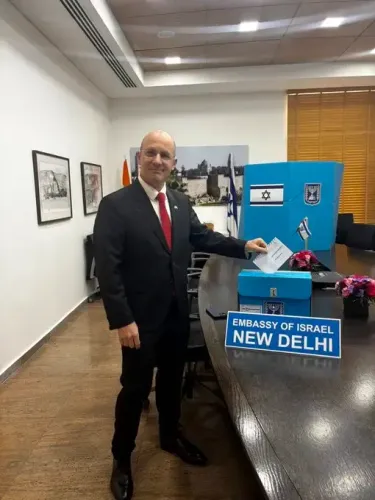
Israel went to the polls on 27 October to elect the 26th Knesset , with around 7.3 million citizens eligible to vote.
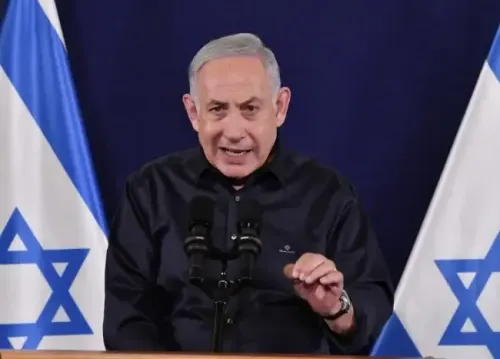
Final polls show a close race between Prime Minister Benjamin Netanyahu 's bloc and the opposition led by former IDF chief Gadi Eisenkot 's Yashar party .
Both blocs are projected to fall short of a parliamentary majority, raising the prospect of another election.
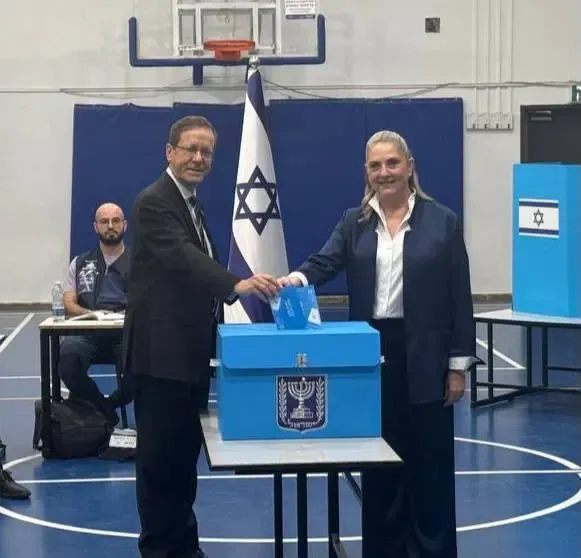
President Isaac Herzog , Michal Herzog , and National Security Minister Itamar Ben-Gvir were among early voters.
Exit polls are expected after polls close at 10 pm local time ; official results will follow in the coming days.
These are Israel's first elections since the Hamas attack on 7 October 2023 , which has defined voter priorities and the campaign's central themes.
Voters across Israel on Tuesday, 27 October began casting ballots to elect members of the 26th Knesset, the country's parliament, with approximately 7.3 million citizens eligible to participate. The election is the first since the 7 October 2023 Hamas attack and comes amid a dramatically transformed political and security landscape.
A Closely Contested Race
Final opinion polls released ahead of polling day indicated a tight contest between incumbent Prime Minister Benjamin Netanyahu's right-wing bloc and opposition factions led by former Israel Defence Forces (IDF) chief Gadi Eisenkot's Yashar party. However, according to reports, both blocs are projected to fall short of a parliamentary majority if they honour their campaign pledges to exclude certain factions from any coalition arrangement. The prospect of another political deadlock — Israel's fifth election in under four years — looms large.
Key Figures Cast Their Votes
Among the early voters were Israeli President Isaac Herzog and his wife Michal Herzog, who cast their ballots shortly after polling opened. Minister of National Security Itamar Ben-Gvir also voted early in the day. Their participation underscored the high-profile nature of an election widely described by observers as pivotal.
Voices from the Ground
Citizens interviewed at polling stations reflected both civic enthusiasm and deep anxiety about the outcome. One voter urged fellow Israelis to exercise their democratic right, saying, 'Everybody should go out and vote. Everybody who's over 18 years old should come and say what they need to say and put their specific paper that they want in votes, and should go out and vote. More people should vote; everybody should vote.'
Another voter captured the stakes succinctly: 'I say this election is the most important in the history of the State of Israel.'
Former IDF Major Ariel Averbuch expressed concern about a potential deadlock, saying, 'So I'm afraid that we might see a tie tomorrow, which will drag us into another election. At the end of the day, I believe the right wing, probably headed by Netanyahu, will win, but I'm concerned that tomorrow we're going to see a tie.' Averbuch also offered a qualified assessment of Netanyahu's wartime conduct, crediting the Prime Minister with managing simultaneous threats on multiple fronts. 'A lot of people are saying the Pager attack on Hezbollah, Hamas is deterred, Israel controls over 70 per cent of the Gaza Strip, Iran's attack, the Houthis — all of these fronts were handled in a very strict and strong manner by Netanyahu,' he said, while acknowledging widespread public dissatisfaction over the initial security failure of 7 October 2023.
What Happens After Polls Close
Voting is scheduled to conclude at 10 pm local time, after which exit polls will provide preliminary indications of the outcome. Official results are expected to be finalised over the coming days once the full vote count is completed. Coalition negotiations, given the fragmented nature of Israeli politics, are likely to follow regardless of which bloc leads.
The Backdrop: First Election Since October 7
These elections mark Israel's first national vote since the Hamas attack on 7 October 2023, which killed over 1,200 Israelis and triggered an ongoing military campaign in Gaza. The war, the hostage crisis, and Israel's broader regional confrontations — including strikes on Hezbollah infrastructure and Iranian military assets — have fundamentally reshaped the electorate's priorities since the last Knesset vote in 2022. Notably, this is the first time Israeli voters have gone to the polls with active military operations on multiple fronts simultaneously, adding an unprecedented dimension to an already fraught democratic exercise.
Point of View
Against Hezbollah, and in the shadow of confrontations with Iran. That Netanyahu has managed to arrive at election day without a decisive collapse in his support — despite being in office when the worst terrorist attack in Israel's history occurred — speaks to both the polarisation of Israeli society and the rally-round-the-flag effect of prolonged conflict. Yet the persistent polling deadlock exposes a deeper structural problem: Israeli electoral law and the fragmented party system make stable governance structurally difficult, regardless of who wins. A sixth election would not be an aberration; it would be the system behaving exactly as designed — and exactly as broken.
NationPress
27 Oct 2026
Frequently Asked Questions
What is the 26th Knesset election in Israel?
The 26th Knesset election is Israel's parliamentary vote held on 27 October 2026, in which approximately 7.3 million eligible voters choose members of the country's 120-seat parliament. It is the first national election since the Hamas attack on 7 October 2023.
Who are the main contenders in Israel's 2026 Knesset election?
The primary contest is between incumbent Prime Minister Benjamin Netanyahu's right-wing bloc and the opposition led by former IDF chief Gadi Eisenkot of the Yashar party. Final polls indicate a tight race with neither side guaranteed a parliamentary majority.
Why are these elections considered especially significant?
These are the first Israeli elections since the 7 October 2023 Hamas attack, which killed over 1,200 Israelis and triggered an ongoing war in Gaza. Voters are going to the polls with active military operations on multiple fronts, making this an unprecedented electoral moment in Israel's history.
When will the results of the Israel Knesset election be known?
Exit polls are expected shortly after voting closes at 10 pm local time on 27 October. Official results are likely to be confirmed over the coming days once the complete vote count is finalised.
Could Israel face another election after this one?
Possibly. Final opinion polls suggest both main blocs may fall short of a parliamentary majority if they stick to their pledges against forming coalitions with certain factions. Former IDF Major Ariel Averbuch publicly voiced concern about a potential tie that could force yet another election.