Has the Israeli measles outbreak claimed another life?
Synopsis
The ongoing measles outbreak in Israel has led to the tragic death of an 18-month-old boy, increasing the toll to 10 fatalities. Health officials are urging parents to vaccinate their children amid growing concerns over the highly contagious virus. Read on to understand the situation better and learn about the importance of vaccinations.
Key Takeaways
Measles is highly contagious.
Vaccination is vital for prevention.
Early symptoms include fever and rash.
Seek medical help if exposed.
Communities at risk should prioritize immunization.
Jerusalem, Nov 24 (NationPress) The Israeli Health Ministry has reported the tragic death of an 18-month-old boy due to measles, marking the 10th fatality in an outbreak that commenced in early April. The majority of those affected were previously healthy infants who had not received vaccinations.
The Tzafon Medical Centre, located near Tiberias, stated that the unvaccinated child was brought to their emergency department in critical condition on Sunday morning. Unfortunately, despite attempts at resuscitation, he succumbed to the disease.
As per the ministry's data, over 2,000 cases of measles have been confirmed during this ongoing outbreak, with eleven patients currently hospitalized, including two in intensive care.
The health authorities are urging parents to vaccinate their children and seek prompt medical assistance if symptoms arise or if exposure is suspected. They have identified 12 cities and additional localities as outbreak zones, advocating for extra vaccinations for infants in these areas, according to reports from Xinhua news agency.
Measles is an exceptionally contagious virus that can cause fever, fatigue, a runny nose, and a rash, sometimes resulting in severe complications or death.
This highly infectious disease spreads quickly when an infected person coughs, sneezes, or breathes. It can lead to serious health issues, including fatalities.
While measles can impact anyone, it is most prevalent among children.
The virus targets the respiratory system and disseminates throughout the body. Symptoms include high fever, cough, runny nose, and a widespread rash.
Vaccination is the most effective way to prevent measles and to protect others from infection. The vaccine has a strong safety record and aids the body in combating the virus.
Before the measles vaccine was introduced in 1963 and administered widely, epidemics occurred roughly every two to three years, resulting in an estimated 2.6 million deaths annually.
In 2023, approximately 107,500 individuals, predominantly children under five, lost their lives to measles, despite the existence of a safe and affordable vaccine.
Symptoms typically manifest 10 to 14 days post-exposure, with a noticeable rash being the most prominent sign.
Initial symptoms last between 4 and 7 days and may include: runny nose, cough, red and watery eyes, and small white spots inside the cheeks.
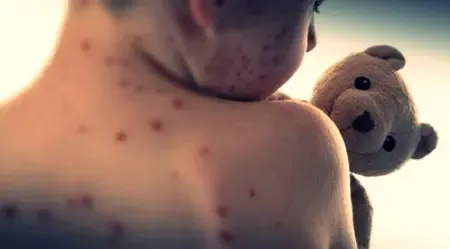
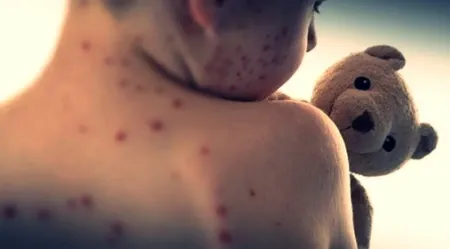
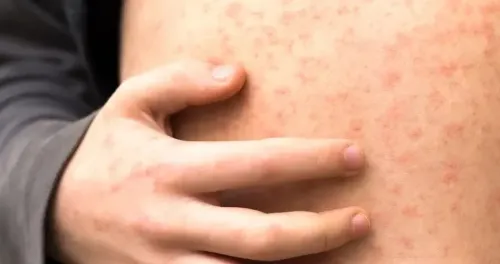
The rash usually appears 7 to 18 days after exposure, beginning on the face and upper neck, spreading over three days to the hands and feet. It generally lasts about 5 to 6 days before it begins to fade.
Point of View
It is imperative that we prioritize public health communication. The recent measles outbreak in Israel emphasizes the critical importance of vaccinations and swift medical response. We must ensure that our reporting encourages awareness and action among parents to protect their children and community.
NationPress
22 Sept 2026
Frequently Asked Questions
What are the symptoms of measles?
Symptoms of measles typically include high fever, cough, runny nose, and a distinctive rash. Early symptoms may last 4 to 7 days and can also include red and watery eyes, as well as small white spots inside the cheeks.
How does measles spread?
Measles spreads easily through respiratory droplets when an infected person coughs, sneezes, or breathes. It is highly contagious and can infect anyone who is not vaccinated.
What should I do if I suspect my child has measles?
If you suspect your child has been exposed to measles or is showing symptoms, seek medical attention immediately. It is crucial for unvaccinated individuals to be evaluated by a healthcare professional.
How can measles be prevented?
The best way to prevent measles is through vaccination. The measles vaccine is safe and effective in protecting against the virus.
Why is vaccination important?
Vaccination is critical to prevent outbreaks and protect not only the individual but also the broader community by establishing herd immunity.