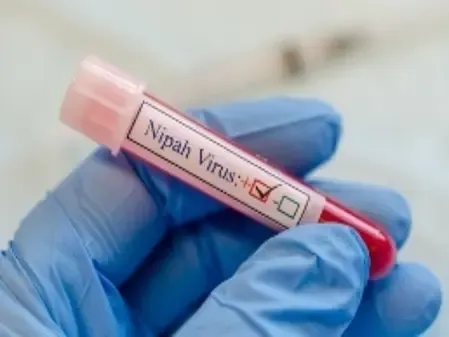
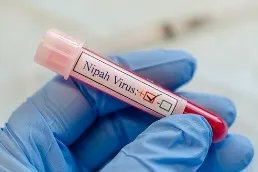
Nipah Cases Surge to 5 in Bengal: Should We Reconsider Animal Habitat Intrusion?
Synopsis
The Nipah outbreak in West Bengal has rapidly escalated to five cases in just one week, prompting health experts to caution against human encroachment into animal habitats. This alarming trend highlights the need for awareness and preventive measures to control the spread of this dangerous virus.
Key Takeaways
Human encroachment into animal habitats increases the risk of Nipah virus outbreaks.
Early detection and strict infection control measures are crucial for managing outbreaks.
Awareness and education are essential in preventing the spread of the virus.
Consumption of contaminated fruits poses significant risks.
Healthcare systems must remain vigilant for early signs of infection.
New Delhi, Jan 16 (NationPress) The current Nipah outbreak in West Bengal, with the number of cases escalating to five within a week, serves as a critical reminder of the consequences of encroaching on animal habitats, as highlighted by health professionals on Friday.
The initial two patients -- a male nurse from Purba Medinipur district and a female nurse from Mongolkot in Purba Bardhaman district, both employed at a private healthcare facility in Barasat, located in North 24 Parganas district -- remain in the ICU. The three recent cases include a doctor, a nurse, and a healthcare worker who have been admitted to the infectious diseases hospital in Beleghata.
The government of West Bengal has placed around 100 individuals under home quarantine since the initial confirmed cases emerged on Monday, with approximately 30 individuals under close observation.
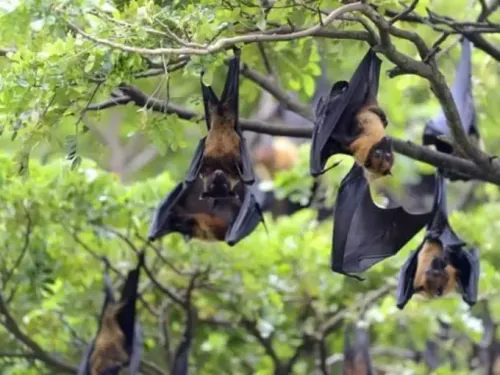
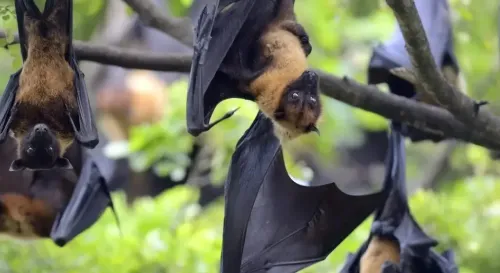
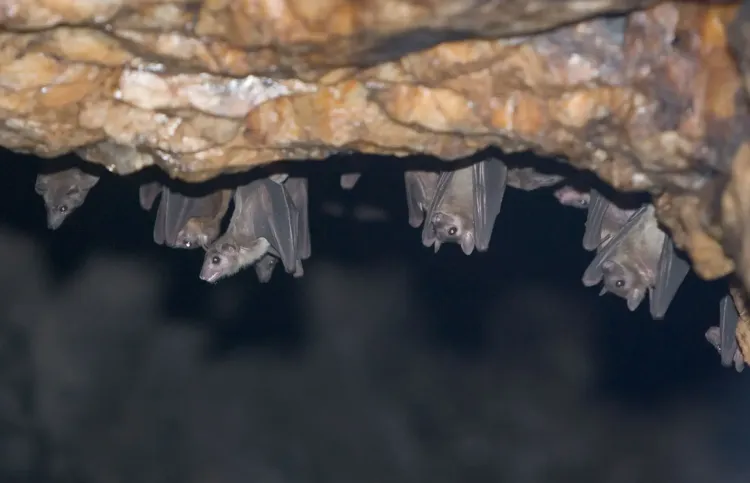
Human encroachment into animal habitats, primarily due to activities like deforestation and intensive agriculture, has significantly contributed to the emergence of the Nipah virus (NiV). This disruption brings the natural reservoir hosts, fruit bats (also known as flying foxes), into closer proximity with human populations and domestic animals, facilitating the virus's transmission to new hosts.
Experts indicate that while the precise mechanism through which the virus transitions to humans is not entirely understood, the consumption of fruit contaminated by bats and drinking raw date palm sap are potential pathways.
“The Nipah virus is known to circulate in specific bat species. Human infections are rare and typically result from accidental spillovers at the human-bat interface, a phenomenon known as zoonosis. This risk is heightened in rural and forest-adjacent regions where agricultural practices increase interactions between humans and fruit bats in search of food,” stated Rajeev Jayadevan, Ex-President of the IMA Cochin and Convener of the Research Cell in Kerala, in a conversation with IANS.
“Intruding into the animal-human interface, consuming contaminated raw date-palm sap (toddy or tadi), and eating half-eaten raw fruits discarded by bats,” are potential causes for the latest outbreak, added Dr. Ishwar Gilada, Secretary General of the People’s Health Organisation (PHO).
But does this situation pose a risk of a pandemic?
Experts emphasize that while person-to-person transmission can occur on a limited scale, the current strain of the Nipah virus lacks the characteristics typically associated with pandemic viruses.
Nipah is fundamentally a zoonotic infection, originating from animals to humans, and subsequently from human to human. The virus spreads through saliva, urine, and other bodily fluids of an infected individual.
Transmission through airborne droplets among close contacts of an infected person is also possible, particularly if the patient exhibits coughing or vomiting. Adhering to universal precautions, including wearing masks and gloves when caring for patients, can significantly mitigate these risks.
“Theoretically, any zoonotic infection capable of human-to-human transmission has the potential to result in an epidemic or pandemic. However, since its first outbreak in Malaysia in 1998, such an event has not transpired,” Gilada remarked to IANS.
With no approved antiviral treatments or vaccines available for the Nipah virus, early detection is vital for controlling the outbreak.
“Given the high mortality rate associated with Nipah, it is crucial to halt the spread of the infection as swiftly as possible. This necessitates systematic contact tracing, where all close contacts of the patient are identified, monitored for symptoms, and isolated according to established protocols,” Jayadevan emphasized.
If initial diagnoses are delayed, the disease may spread further, complicating containment efforts.
Public awareness is paramount, particularly regarding avoiding interactions with bats.
“Misguided attempts by well-meaning individuals to trap, handle, or drive bats away can be counterproductive, potentially heightening the risk of spillover. Moreover, bats can cover vast distances daily, so dispersing a few bats from one area will not provide a long-term solution,” Jayadevan cautioned.
Gilada further urged individuals to respect the habitats of animals, birds, and the environment.
“Avoid consuming bats, raw fruits, particularly half-eaten ones, and raw date-palm sap. Implement strict infection control measures, including the SMS protocol: sanitization, masks, and social distancing from infected individuals,” he advised.
“Healthcare systems must remain vigilant for early warning signs, which can often mimic other viral infections,” Jayadevan concluded.
“Patients exhibiting symptoms of viral encephalitis and pneumonia in areas prone to Nipah outbreaks must also be assessed for this infection, particularly if they present with seizures, confusion, or coma,” he added.
Point of View
I emphasize the importance of understanding the Nipah virus outbreak in West Bengal, which is a pressing health concern. Awareness and proactive measures are essential to prevent further escalation of this virus, as it poses significant risks to public health. Our nation must prioritize education and vigilance to combat this emerging threat.
NationPress
13 Oct 2026
Frequently Asked Questions
What is Nipah virus?
Nipah virus is a zoonotic virus originating from animals, particularly fruit bats, and can infect humans, leading to severe illness.
How does Nipah virus spread?
The virus spreads through contact with infected bodily fluids, consumption of contaminated fruit, or through human-to-human transmission.
Is there a vaccine for Nipah virus?
Currently, there are no approved vaccines or antiviral treatments for Nipah virus, making early detection and containment crucial.
What should we do to prevent Nipah virus infection?
Avoid contact with bats, refrain from consuming raw fruits, and implement strict hygiene measures when caring for infected individuals.
Can Nipah virus lead to a pandemic?
While Nipah virus can spread between humans, the current strain does not possess the characteristics typically associated with pandemic viruses.