What Should You Know About the Recent Nipah Virus Cases in Bengal?
Synopsis
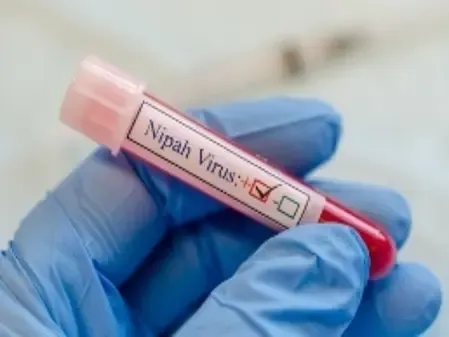
The detection of two suspected Nipah virus cases in West Bengal has raised concerns. Medical experts stress the importance of early diagnosis and public awareness to prevent potential outbreaks. With no approved vaccines available, vigilance is paramount in containing the virus's spread.
Key Takeaways
Nipah virus outbreak prompts health alerts in West Bengal.
Awareness and early action are essential for containment.
Medical professionals face higher risks without stringent infection controls.
There is currently no approved vaccine for Nipah virus .
Early diagnosis is crucial in managing outbreaks and saving lives.
Kolkata, Jan 14 (NationPress) The emergence of two suspected cases of the Nipah virus in West Bengal has triggered an alert among health officials, leading the Centre to send a National Joint Outbreak Response Team to assist in containment and health measures.
Medical experts warn that the Nipah virus is uncommon, unpredictable, and can be fatal.
They emphasized that awareness and prompt action are essential to curb its transmission.
Dr. Rakesh Pandit explained that the Nipah virus is a zoonotic infection, indicating that it can be transmitted from animals to humans.
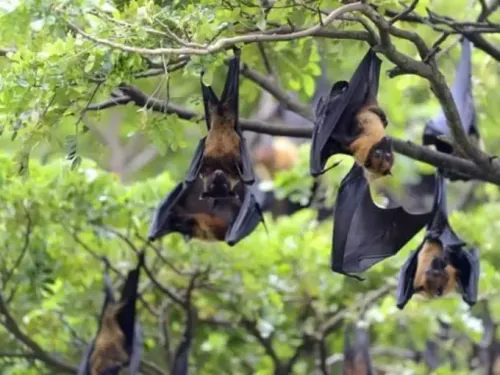
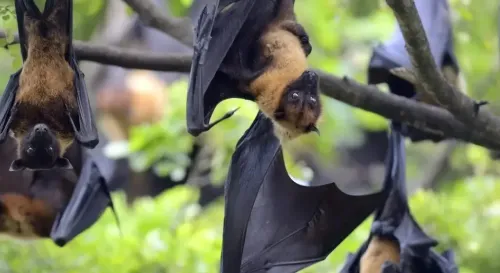
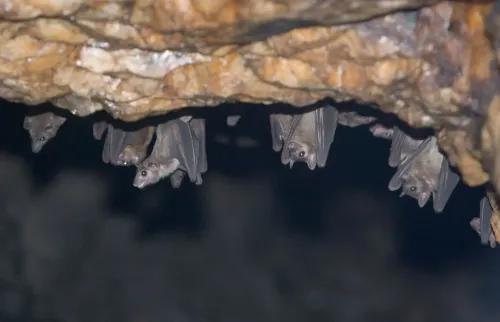
"Fruit bats serve as the primary carriers of this virus. Infection can occur through consuming contaminated food or close contact with infected individuals," he noted.
He added, "Past outbreaks have demonstrated that the virus can also be transmitted from human to human, particularly in healthcare and domestic environments. Symptoms can range from fever and respiratory issues to neurological complications, with severe cases leading to encephalitis, a potentially lethal brain inflammation."
While Nipah does not spread as rapidly as airborne diseases like Covid-19 or influenza, it is still highly contagious in close, prolonged contacts.
Dr. Sushrut Ganpule, a Consultant Pulmonologist from Pune, stated, "Healthcare workers and caregivers face an increased risk without strict infection control measures. Preventing secondary transmission demands early detection and isolation. Past infections have resulted in mortality rates as high as 75%, making it deadlier than many other viral infections. The disease poses a serious threat, with survivors potentially facing long-term neurological issues like seizures and personality alterations."
Experts highlighted that early diagnosis is critical in managing Nipah outbreaks and saving lives.
Dr. Aakaar Kapoor emphasized, "With Nipah, timing is crucial. Initial symptoms may resemble a typical viral fever, but any neurological signs or breathing difficulties are alarming indicators. Rapid lab confirmation allows for prompt patient isolation and contact protection."
He also noted that Nipah testing necessitates special precautions and coordination.
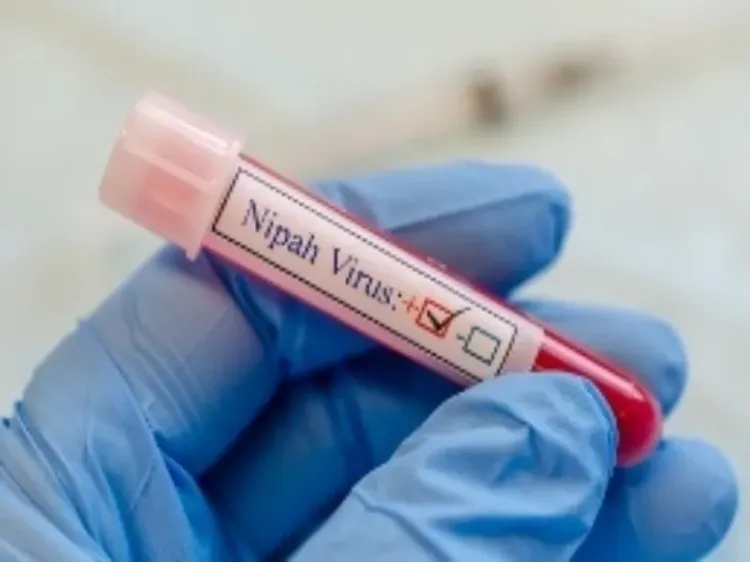
"Samples must be treated with utmost care. RT-PCR testing and close collaboration with reference labs are vital for swift case confirmation. Imaging and lab diagnostics together are essential for assessing the severity of organ involvement. Timely detection of lung or brain impairment can significantly alter treatment strategies, leading to better outcomes," Dr. Kapoor stated.
Doctors indicate that Nipah is not confined to one organ. In severe instances, it can impact multiple organs.
Dr. Vineet Malhotra, a Urologist, elaborated, "In advanced cases, we may observe kidney involvement, complicating the prognosis. This multi-organ impact necessitates intensive monitoring and supportive care."
Currently, there is no authorized vaccine or antiviral treatment for Nipah virus. Management primarily involves symptom relief and complication prevention.
Dr. Pranjit Bhowmik mentioned, "At present, there are no authorized antiviral medications or vaccines to treat or prevent the disease. The focus remains on supportive care, managing symptoms, and preventing complications.
The Centre's proactive measures reflect the virus's history of sudden outbreaks and high mortality rates.
"Awareness, early diagnosis, strict isolation, and public education are our strongest tools to prevent a localized outbreak from spiraling into a larger health crisis," it concluded.
Point of View
It is imperative to underscore the urgency of the Nipah virus situation in West Bengal. The emergence of these cases highlights the critical need for public vigilance, early detection, and adherence to health protocols to avert a larger health crisis. NationPress is committed to providing timely and accurate information to keep our readers informed.
NationPress
25 Sept 2026
Frequently Asked Questions
What is the Nipah virus?
The Nipah virus is a zoonotic virus that can be transmitted from animals to humans and can cause severe illness, including respiratory issues and neurological complications.
How is Nipah virus transmitted?
Nipah virus can be transmitted through consumption of contaminated food or close contact with infected individuals, as well as from human to human in healthcare and domestic settings.
What are the symptoms of Nipah virus infection?
Symptoms vary but can include fever, respiratory problems, and can lead to severe neurological complications like encephalitis.
Is there a vaccine for Nipah virus?
Currently, there is no approved vaccine or antiviral treatment for Nipah virus. Management focuses on symptomatic relief and preventing complications.
What measures can be taken to prevent Nipah outbreaks?
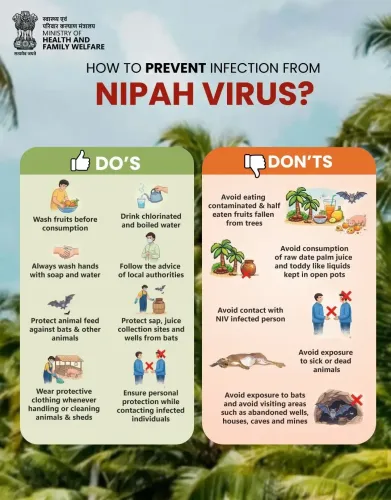
Awareness, early diagnosis, strict isolation of suspected cases, and public education are key to preventing the spread of Nipah virus.