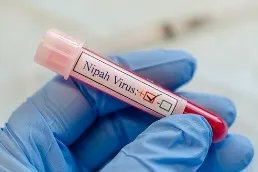
Is WHO Monitoring Nipah Virus Cases in India and Ruling Out Travel Restrictions?
Synopsis
The WHO has confirmed low transmission risk for Nipah virus in India, with no travel restrictions. They continue to monitor cases closely, ensuring public health safety, while emphasizing preventive measures against the outbreak.
Key Takeaways
WHO states low transmission risk for Nipah virus .
No travel or trade restrictions recommended.
Two healthcare workers confirmed infected in West Bengal .
All identified contacts have tested negative.
Enhanced public health response activated.
New Delhi, Jan 30 (NationPress) The World Health Organisation (WHO) has assessed that the risk of Nipah virus transmission is currently low. Consequently, there are no recommendations for travel or trade restrictions as they keep a close watch on the outbreak in India.
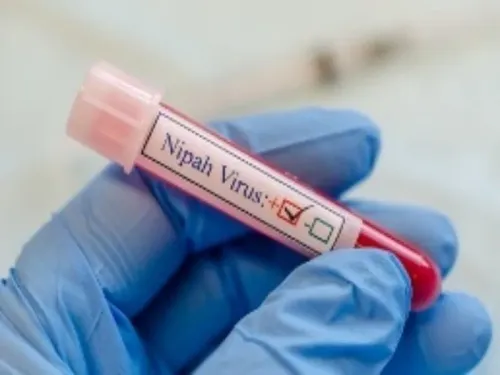
According to the latest Epidemiological Bulletin issued by the WHO, two cases of the Nipah virus have been confirmed in a pair of 25-year-old nurses—a male and a female—who worked at the same private healthcare facility in the North 24 Parganas district of West Bengal.
The initial symptoms for these healthcare workers emerged in the last week of December 2025, rapidly escalating to severe neurological complications. They have been in isolation since early January.
Following confirmation of the cases, a comprehensive public health response was initiated. A total of 196 individuals who had been in contact with the confirmed cases were tracked, monitored, and tested. All contacts have shown no symptoms and have tested negative for the Nipah virus, as per the WHO's report.
The WHO stated, "No further Nipah cases have been identified thus far. The situation is under surveillance," adding that based on available data, they do not support any travel or trade restrictions.
Despite some nations implementing airport checks akin to those during the Covid pandemic due to fears of spread, the UN health agency reiterated that the transmission risk remains low.
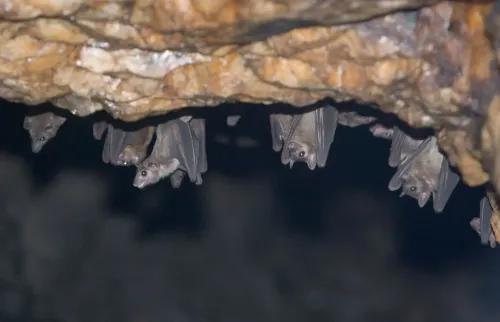
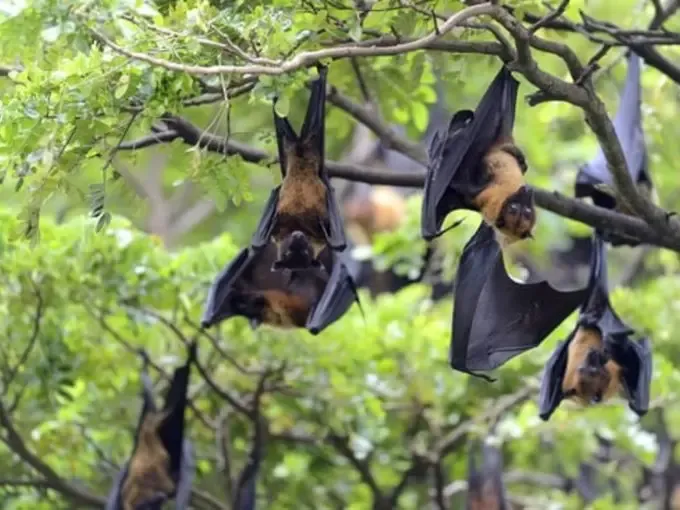
The WHO has categorized the risk in West Bengal at a moderate level, primarily due to the presence of fruit bat reservoirs along the India-Bangladesh border, which raises concerns about sporadic zoonotic spillover. However, the overall risk at the national, regional, and global levels is considered low.
The outbreak is restricted to the North 24 Parganas district, with no travel reported by symptomatic individuals. All identified contacts have tested negative, and heightened surveillance and infection control measures have been enacted. The probability of the virus spreading to other regions of India or internationally is assessed as low.
This marks the seventh recorded Nipah outbreak in India and the third one in West Bengal, following previous incidents in Siliguri (2001) and Nadia (2007).
Nipah is a zoonotic illness primarily transmitted from bats to humans, either directly or via contaminated food sources.
It can also be transmitted from animals like pigs to humans, and occasionally between humans through close and extended contact, particularly in healthcare environments.
In humans, Nipah virus infection can lead to a spectrum of outcomes ranging from asymptomatic conditions to severe respiratory illness and fatal encephalitis. The global case fatality rate is estimated to be between 40% and 75%, contingent upon timely detection and the quality of clinical care.
At present, there is no approved vaccine or specific treatment available for Nipah virus infection.
The WHO advises mitigating bat-to-human transmission by preventing bats from reaching date palm sap, boiling freshly collected sap, thoroughly washing and peeling fruits, discarding fruits showing signs of bat bites, and steering clear of areas inhabited by bats.
Point of View
It's crucial to highlight that while the Nipah virus poses serious health risks, the current data suggests a low transmission rate. The WHO's proactive measures and public health response demonstrate a commitment to managing this situation effectively. Our focus remains on ensuring accurate information reaches the public while supporting health authorities in their efforts.
NationPress
17 Sept 2026
Frequently Asked Questions
What is the Nipah virus?
The Nipah virus is a zoonotic disease primarily transmitted from bats to humans, causing severe respiratory illness and potentially fatal encephalitis.
How is Nipah virus transmitted?
Nipah virus can be transmitted directly from bats, through contaminated food, or from infected animals like pigs to humans, and in some cases, it can spread between people through close contact.
Is there a vaccine for Nipah virus?
Currently, there is no licensed vaccine or specific treatment available for Nipah virus infection.
How many Nipah outbreaks have occurred in India?
There have been seven documented Nipah outbreaks in India, with three occurring in West Bengal.
What precautions can be taken to prevent Nipah virus transmission?
To reduce the risk of transmission, it's recommended to prevent bats from accessing foods like date palm sap, wash and peel fruits, and avoid areas where bats roost.