Stronger India key to multipolar Asia, in Japan's interest: Jaishankar
Synopsis
Speaking in Tokyo, EAM Jaishankar told Japan's top daily that a stronger India isn't just good for India — it's in Japan's direct interest, and the key to building a multipolar Asia. With the two countries approaching their 75th diplomatic anniversary and Quad cooperation expanding, the interview maps a vision of mutual strategic facilitation that goes well beyond routine bilateral diplomacy.
Key Takeaways
Jaishankar told Japanese daily The Yomiuri Shimbun on 19 November 2026 that a stronger India is 'very much in Japan's interest.' He described India and Japan as democratic, maritime powers with deep strategic convergence in the Indo-Pacific .
Jaishankar reaffirmed that Quad cooperation — spanning maritime security, emerging tech, counter-terrorism, and HADR — contributes to regional peace and stability.
Key Quad initiatives cited include IPMDA , IPMSC , IPLN , and the Quad-at-Sea Ship Observer Mission .
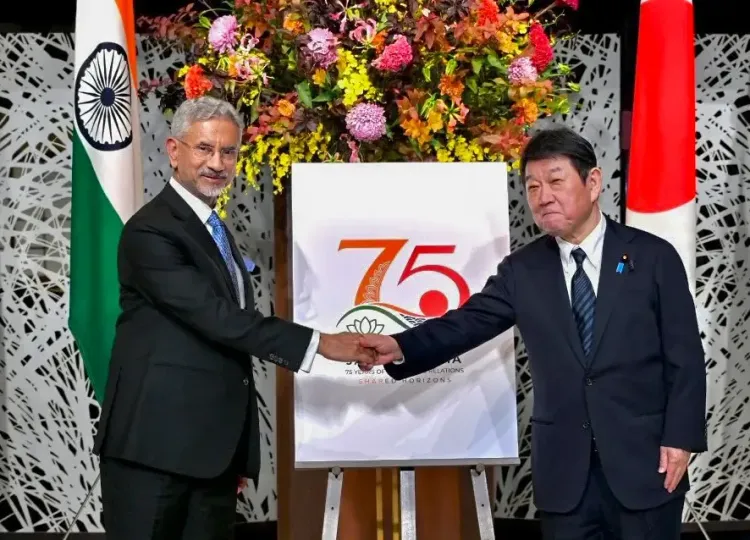
India and Japan are set to celebrate the 75th anniversary of their diplomatic relations next year.
Jaishankar argued both nations can 'facilitate the advancement of the other' through shared values and strategic convergence.
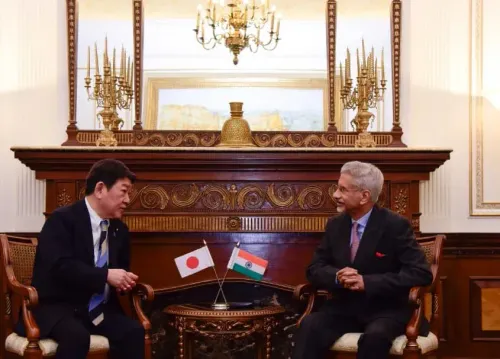
External Affairs Minister S. Jaishankar on Thursday, 19 November 2026, stated that a stronger India is very much in Japan's interest and will be central to building a multipolar Asia and a multipolar world, in an interview with leading Japanese daily The Yomiuri Shimbun from Tokyo. The remarks underscore the deepening strategic convergence between the two democracies at a time of growing geopolitical flux in the Indo-Pacific.
Strategic Foundations of the India-Japan Partnership
Jaishankar described the bilateral relationship as being underpinned by shared democratic values, maritime interests, and Indo-Pacific cooperation. 'Strategically, this relationship is underpinned by shared interests and convergences. We are democratic countries, maritime powers and partners in the Indo-Pacific,' he told the Yomiuri Shimbun. He added that growing defence cooperation — spanning all three armed services through joint exercises and shared activities — was further cementing bilateral ties, with defence equipment and technology collaboration now forming an expanding pillar.
The minister also highlighted the deep historical roots of the relationship. 'Our countries, of course, go back a long way — we have longstanding civilisational ties. We have never had any clash of interests and have always maintained friendly ties throughout history,' he noted, adding that next year marks the 75th anniversary of the establishment of formal diplomatic ties between the two nations.
Quad's Role in Indo-Pacific Stability
Asked about Japan's contribution to maintaining a Free and Open Indo-Pacific as a Quad member, Jaishankar described Japan as an 'important member' with a 'significant role to play.' He reaffirmed the grouping's commitment to 'stability, progress and prosperity in the Indo-Pacific, as reaffirmed by the Leaders Meeting in Manila.' The Quad — comprising India, Japan, the United States, and Australia — brings together four maritime democracies, pluralistic societies, and market economies to advance a rules-based regional order through practical cooperation.
Cooperation among the Quad nations, Jaishankar noted, spans critical areas including maritime security, critical and emerging technologies, economic resilience, counter-terrorism, and Humanitarian Assistance and Disaster Relief (HADR).
Key Indo-Pacific Initiatives
The minister spotlighted several flagship frameworks contributing to regional stability. These include the Indo-Pacific Maritime Domain Awareness (IPMDA), the Indo-Pacific Maritime Surveillance Collaboration (IPMSC), the Indo-Pacific Logistics Network (IPLN), and the Quad-at-Sea Ship Observer Mission. Together, Jaishankar argued, these initiatives are building greater connectivity and resilience across the region.
'Each Quad partner brings distinct strengths and capabilities to the table. By leveraging these complementarities and translating our shared vision into tangible outcomes, we can collectively contribute to maintaining a free, open and prosperous Indo-Pacific,' he said.
Multipolar Vision and Mutual Strategic Advancement
Jaishankar framed the India-Japan relationship as one of mutual strategic facilitation. 'India sees Japan as a like-minded partner that is a market economy and democracy. Our convergences are getting deeper,' he said. He argued that in today's environment, merely building national strength is insufficient — both countries must 'actively shape the emerging global landscape.' 'Because of shared values and strategic convergence, our two countries can each facilitate the advancement of the other,' he added.
Notably, the interview comes as India and Japan deepen engagement across defence, technology, and connectivity — and as the broader Indo-Pacific architecture faces increasing pressure from great-power competition. With the 75th anniversary of diplomatic ties approaching, the relationship appears poised for further institutionalisation.
Point of View
IPMSC, IPLN — which suggest operational depth, not just aspirational language. The 75th anniversary milestone next year will be a critical test of whether this convergence translates into binding defence agreements or remains a framework of intent.
NationPress
19 Nov 2026
Frequently Asked Questions
What did EAM Jaishankar say about India-Japan relations in Tokyo?
In an interview with Japanese daily The Yomiuri Shimbun on 19 November 2026, Jaishankar stated that a stronger India is very much in Japan's interest and will be key to a multipolar Asia and world. He described the partnership as rooted in shared democratic values, maritime interests, and growing defence and Quad cooperation.
What is the Quad and why does Jaishankar say it matters?
The Quad is a grouping of four maritime democracies — India, Japan, the United States, and Australia — committed to a free, open, and rules-based Indo-Pacific. Jaishankar said Quad cooperation, reaffirmed at the Leaders Meeting in Manila, spans maritime security, critical technologies, economic resilience, counter-terrorism, and humanitarian relief.
What is the significance of the 75th anniversary of India-Japan diplomatic ties?
India and Japan will mark 75 years of formal diplomatic relations next year, a milestone Jaishankar highlighted to underscore the longevity and depth of the partnership. He noted the two countries have 'never had any clash of interests' and have maintained consistently friendly ties throughout history.
Which Indo-Pacific initiatives did Jaishankar highlight?
Jaishankar cited the Indo-Pacific Maritime Domain Awareness (IPMDA), the Indo-Pacific Maritime Surveillance Collaboration (IPMSC), the Indo-Pacific Logistics Network (IPLN), and the Quad-at-Sea Ship Observer Mission as key frameworks building regional stability, connectivity, and resilience.
How does Jaishankar describe the vision for a multipolar world?
Jaishankar argued that in today's environment it is 'not enough to just build national strength' — both India and Japan must actively shape the emerging global landscape. He said that because of shared values and strategic convergence, the two countries can each facilitate the advancement of the other toward a multipolar Asia and world.