Jaishankar: US insensitivity to Pakistan terror a problem for India-US ties
Synopsis
India's top diplomat has gone on record in New York to say that America's failure to take Pakistan's use of terrorism seriously is actively damaging the India-US relationship — a rare, public rebuke of the Trump administration's tilt toward Islamabad and a signal that New Delhi's patience on this issue has limits.
Key Takeaways
Jaishankar said US insensitivity to India's concerns about Pakistan-sponsored terrorism is creating 'a problem' in India-US relations .
He made the remarks at an event in New York on Monday, 29 September .
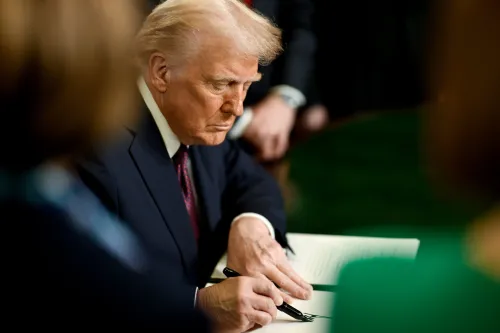
Without naming Pakistan directly, he described a neighbour that uses terrorism as a 'deliberate conscious policy over many, many decades.' The remarks are widely seen as a criticism of President Donald Trump , whose administration has deepened ties with Islamabad while setting aside terrorism concerns.
Jaishankar also cited trade as a separate friction point in the bilateral relationship.
The US had previously recognised Pakistan's links to global terrorism, most visibly after the 9/11 attacks and the discovery of Osama bin Laden living under Pakistani protection.
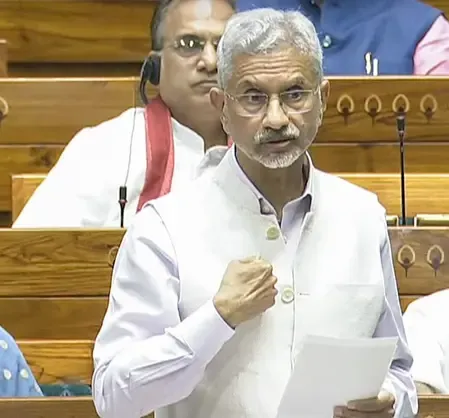
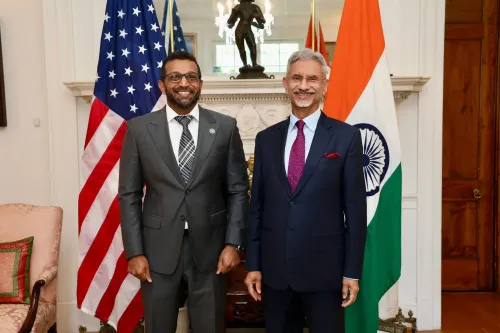
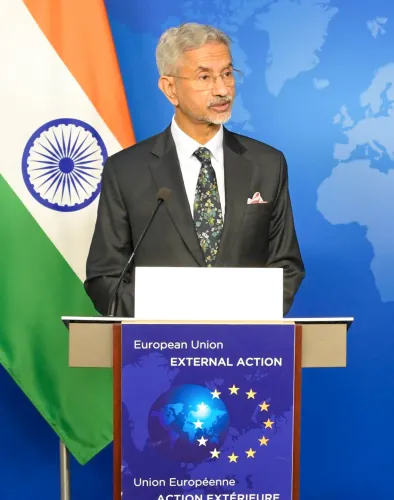
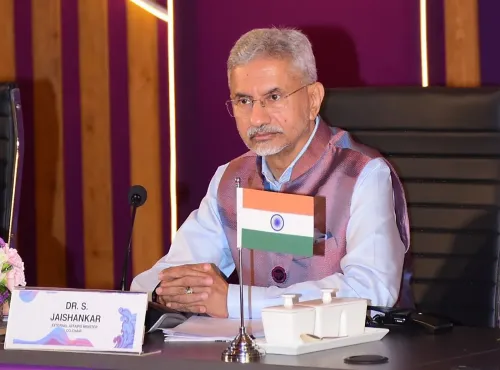
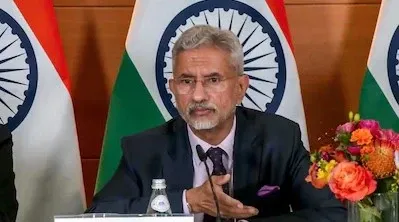
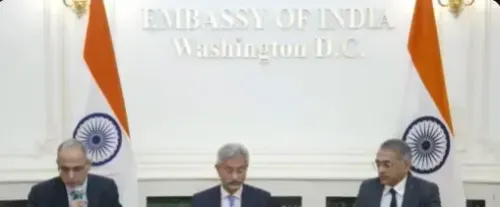
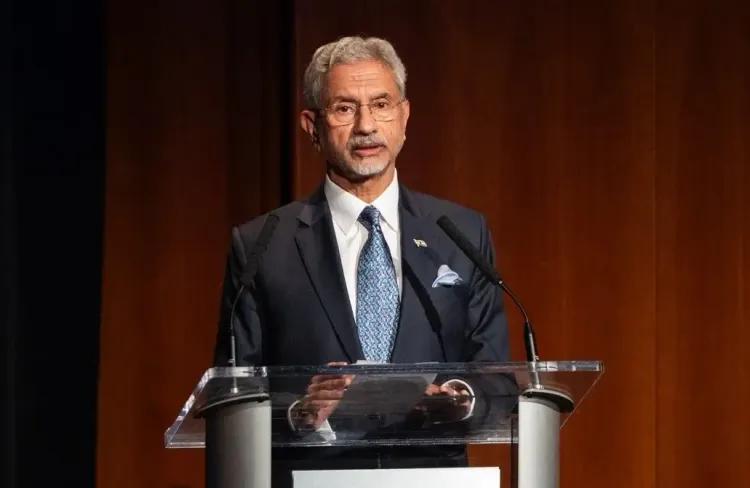
External Affairs Minister S. Jaishankar on Monday, 29 September said that Washington's failure to adequately acknowledge India's concerns about cross-border terrorism — emanating from a neighbour that uses it as deliberate state policy — is straining India-US relations. He made the remarks at an event in New York when asked about factors hindering stronger bilateral ties.
What Jaishankar Said
Without naming Pakistan directly, Jaishankar made his target unmistakable. 'Perhaps there are very few countries which have been subjected to the kind of terrorism that we have from a neighbour as part of a deliberate conscious policy over many, many decades,' he said. He described the terrorism issue as 'particularly important' for India, adding: 'Now, if something which matters so deeply to us, there isn't enough understanding or appreciation or empathy of that, I think that creates a problem.'
He further noted that 'if one of my primary concerns is not fully appreciated by my partner, then clearly there is an impact on that on the relationship.' Beyond terrorism, Jaishankar also cited trade as a separate friction point in the bilateral relationship.
The Trump Administration's Shift on Pakistan
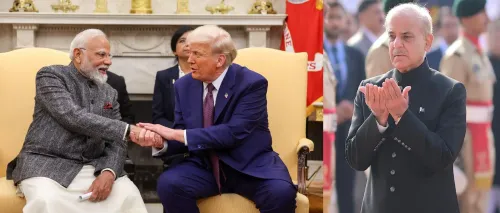
Jaishankar's remarks are widely read as a pointed criticism of President Donald Trump, whose administration has moved closer to Islamabad and, according to Indian officials, effectively sidelined Pakistan's well-documented role as a state sponsor of terrorism. This marks a notable departure from the policy stances of previous US administrations, which formally recognised Pakistan's links to global militant networks.
That recognition reached its most acute point after the 11 September 2001 attacks by al-Qaida on the World Trade Centre in New York and the Pentagon near Washington. Pakistan's complicity was further underscored when al-Qaida leader Osama bin Laden was found living under Pakistani protection — a fact that triggered deep US-Pakistan tensions at the time but has since been largely set aside under the current dispensation in Washington.
Why This Matters for India-US Relations
India has long maintained that terrorism originating from Pakistani soil — targeting its citizens, security forces, and democratic institutions over several decades — is not merely a bilateral irritant but a core national security concern. New Delhi's position is that any strategic partnership must factor in this reality. Jaishankar's public articulation of this grievance at a high-profile New York event signals that India is prepared to name the gap openly, rather than manage it behind closed doors.
This comes amid a period of otherwise expanding India-US engagement on defence, technology, and trade. The contradiction — deepening cooperation on one hand, a widening gap on counter-terrorism on the other — is increasingly difficult for either side to paper over.
What Comes Next
The remarks are likely to prompt a diplomatic response from Washington and may add pressure to ongoing bilateral consultations. Analysts will watch whether the Trump administration makes any public acknowledgement of India's concerns on Pakistan-sponsored terrorism, or whether the silence continues — a silence that, according to Jaishankar, already has a cost.
Point of View
And choosing a high-profile US venue underlines how seriously New Delhi views Washington's silence on Pakistan-sponsored terrorism. The contradiction at the heart of the India-US partnership is now impossible to ignore: the two sides are expanding cooperation on defence and technology even as the Trump administration rehabilitates the very state that India holds responsible for decades of cross-border attacks. If Washington continues to treat Pakistan's terrorism record as a closed chapter, New Delhi will find it harder to sell the partnership domestically — and Jaishankar just made sure the US side knows it.
NationPress
29 Sept 2026
Frequently Asked Questions
What did EAM Jaishankar say about India-US relations and Pakistan?
Jaishankar said that the US's lack of sensitivity to India's concerns about terrorism emanating from Pakistan is creating a problem for bilateral ties. He made the remarks at an event in New York on 29 September, describing India as a country subjected to terrorism from a neighbour as a 'deliberate conscious policy over many, many decades.'
Did Jaishankar name Pakistan in his remarks?
Jaishankar did not name Pakistan explicitly, but his reference to a 'neighbour' that uses terrorism as a deliberate, decades-long state policy made his meaning unambiguous to his audience. Indian officials and diplomatic observers widely interpreted the remarks as directed at Islamabad.
How has the Trump administration's approach to Pakistan differed from previous US governments?
The Trump administration has moved closer to Pakistan and, according to Indian officials, has effectively set aside Islamabad's documented role as a backer of militant groups — a departure from previous administrations that formally acknowledged Pakistan's links to global terrorism, including its connection to the 9/11 attackers and al-Qaida leader Osama bin Laden.
Why does India consider Pakistan-sponsored terrorism a core concern in its foreign policy?
India has faced decades of cross-border attacks attributed to groups operating from Pakistani soil, targeting civilians, security forces, and state institutions. New Delhi has consistently argued that any meaningful strategic partnership must account for this, making it a non-negotiable issue in bilateral and multilateral diplomacy.
What are the other factors affecting India-US relations mentioned by Jaishankar?
Beyond terrorism, Jaishankar cited trade as a separate factor creating friction in the India-US relationship. He was responding to a question about what is hindering better bilateral ties at the New York event.