LoC divide: J&K's cultural rise vs PoJK's rights abuses at UN
Synopsis
While J&K screened 53 films at its fifth Jammu Film Festival and recorded ₹5,260 crore in nine-month investment, the UN Human Rights Council in Geneva was simultaneously hearing activist testimony about deaths, enforced disappearances, and communications blackouts in PoJK since June 2026. The LoC has rarely looked starker as a dividing line between two institutional realities.
Key Takeaways
Activists at the UN Human Rights Council in Geneva raised concerns over deaths, arbitrary arrests, enforced disappearances, and communications blackouts in PoJK since 5 June 2026 .
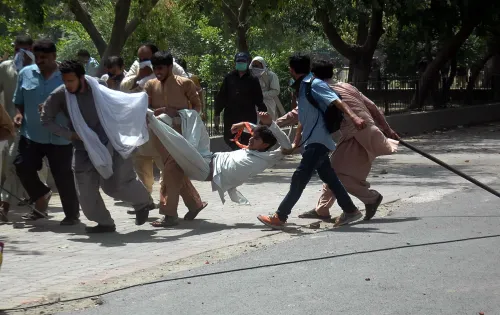
UN High Commissioner Volker Türk accused Pakistani authorities of 'excessive lethal force and arbitrary detention' against protesters.
Amnesty International called the JAAC 's terrorist designation 'disproportionate, unlawful, and a violation of the right to freedom of association.' The fifth Jammu Film Festival screened 53 films from 16 countries and drew over 300 local artists , with 12 million+ social-media views.
J&K startups rose from 69 in 2020 to 1,255 by December 2025 ; investment in the first nine months of FY 2025-26 reached ₹5,260 crore .
PoJK's Mangla reservoir generates around 5 billion units of electricity annually for Pakistan, yet local residents pay tariffs several times above generation cost.
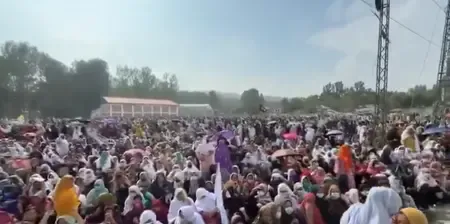
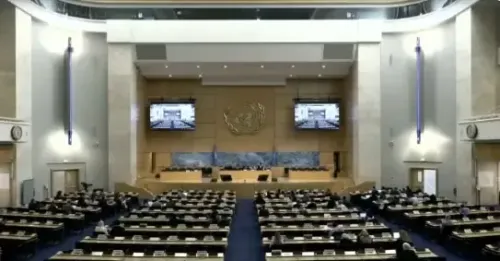
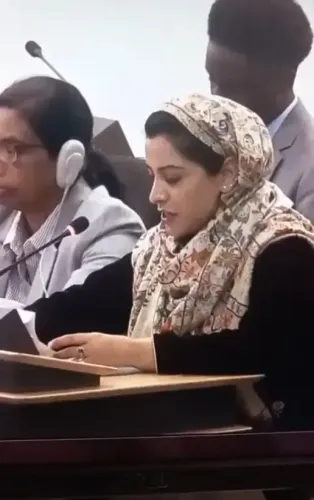
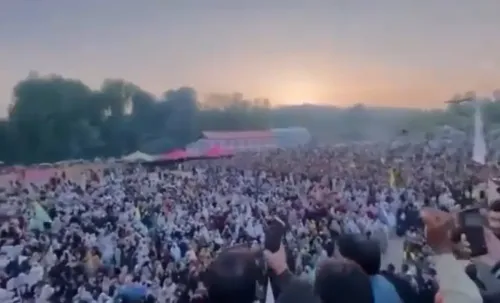
While Jammu and Kashmir (J&K) attracted global attention for its expanding cultural and cinematic footprint, a sharply contrasting picture emerged from Pakistan-occupied Jammu and Kashmir (PoJK) in the last week of September 2026 — with activists at the UN Human Rights Council in Geneva raising formal concerns over alleged human rights abuses by Pakistani authorities in the occupied territory, according to a report.
Rights Abuses Flagged at UN Geneva
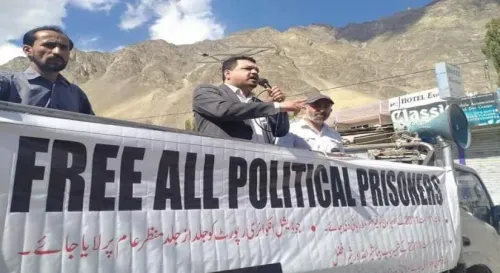
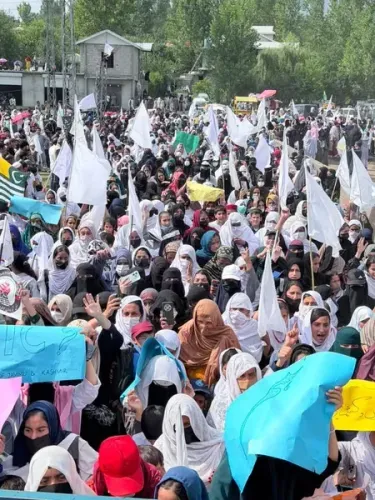
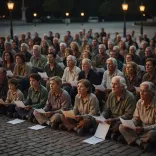
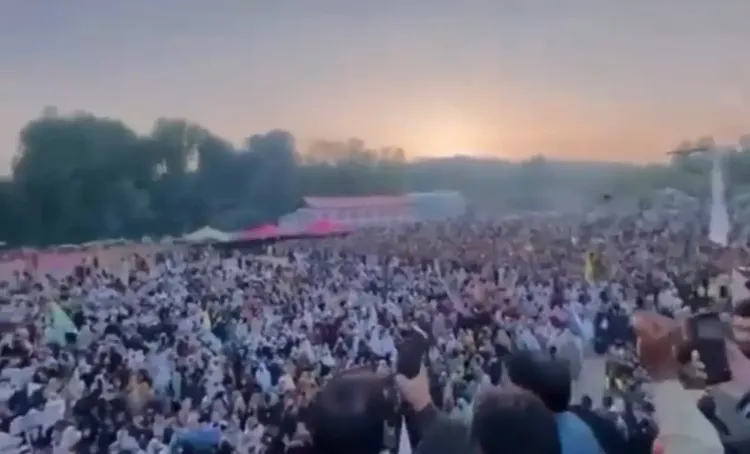
Activists at the UN Human Rights Council highlighted a series of grave concerns in PoJK, including deaths, arbitrary arrests, enforced disappearances, communications blackouts, and the militarisation of civilian life — all reportedly ongoing since 5 June 2026. UN High Commissioner Volker Türk told the Council that Pakistani authorities had used 'excessive lethal force and arbitrary detention to quell protests.'
Amnesty International had earlier described the designation of the Joint Awami Action Committee (JAAC) as a terrorist organisation as 'disproportionate, unlawful, and a violation of the right to freedom of association.' Separately, the Human Rights Commission of Pakistan, through its own fact-finding mission in August 2026, linked the ongoing crisis in PoJK to long-standing grievances, institutional distrust, and what it described as 'an increasingly confrontational state response, including the disproportionate use of force.'
J&K's Cultural Momentum: Film Festival and Beyond
In stark contrast, the fifth Jammu Film Festival screened 53 films — 41 from 16 countries and 12 from Jammu and Kashmir — drawing more than 300 local artists and reportedly generating over 12 million social-media views. The festival underscored J&K's growing soft-power ambitions, even as the region continues to rebuild from the security disruptions earlier in the year.
The broader developmental picture on the Indian side is equally notable. Recognised startups in J&K reportedly rose from 69 in 2020 to 1,255 by December 2025, including 434 women-led firms. Investment in the first nine months of FY 2025-26 was estimated at ₹5,260 crore. Tourist arrivals hit a record high of more than 2.3 crore in 2024, before the Pahalgam massacre set the sector back. The government is now actively promoting Jammu as a year-round destination, with pilgrimage roads, homestay development, and 153 tourism events over seventeen months.
Employment data cited in the report indicates that more than 41,000 government jobs were created since 2019, and nearly 10 lakh people reportedly received self-employment support over four years. The handloom and handicrafts sector continues to employ over 3.5 lakh people, with almost half of them women.
PoJK's Electricity Grievance: Power for Others, Tariffs for Locals
Across the Line of Control (LoC), long-standing economic grievances compound the political unrest. PoJK hosts the Mangla reservoir, a major contributor to Pakistan's national power supply. According to figures from the Pakistan Water and Power Development Authority (WAPDA), Mangla generates approximately 5 billion units of electricity annually. Yet residents of the occupied territory reportedly pay tariffs several times above the generation cost, following fuel adjustments and surcharges — a grievance at the heart of repeated mass protests demanding electricity at generation cost and wheat flour at affordable rates.
A Contrast That Goes Beyond Symbolism
The report emphasised that the divergence between the two sides of the LoC is not merely symbolic. It reflects fundamentally different institutional responses — one moving toward cultural openness, economic investment, and civilian engagement; the other, according to international human rights bodies, resorting to force, surveillance, and political suppression. This comes amid heightened international scrutiny of Pakistan's governance of PoJK, with multiple credible bodies — Amnesty International, the UN High Commissioner, and Pakistan's own Human Rights Commission — arriving at broadly similar conclusions. How Pakistan responds to this multilateral pressure will likely shape the trajectory of unrest in PoJK in the months ahead.
Point of View
Pakistan's own Human Rights Commission was filing a fact-finding report on state excess in PoJK. When a country's domestic rights body and international bodies like Amnesty International and the UN High Commissioner converge on the same verdict, the credibility burden shifts firmly onto Islamabad. The Mangla power paradox — where locals subsidise Pakistan's national grid while paying punitive tariffs themselves — is the kind of structural grievance that sustains protest cycles regardless of crackdowns. Pakistan's designation of the JAAC as a terrorist organisation, condemned by Amnesty, risks internationalising what Islamabad has long sought to frame as an internal law-and-order matter.
NationPress
3 Oct 2026
Frequently Asked Questions
What human rights concerns were raised about PoJK at the UN?
Activists at the UN Human Rights Council in Geneva raised concerns about deaths, arbitrary arrests, enforced disappearances, communications blackouts, and the militarisation of civilian life in PoJK since 5 June 2026. UN High Commissioner Volker Türk specifically stated that Pakistani authorities used 'excessive lethal force and arbitrary detention to quell protests.'
What did Amnesty International say about the JAAC designation?
Amnesty International described the Pakistani government's designation of the Joint Awami Action Committee (JAAC) as a terrorist organisation as 'disproportionate, unlawful, and a violation of the right to freedom of association.' The JAAC had been at the forefront of protests over electricity tariffs and essential commodities in PoJK.
What is the Jammu Film Festival and how successful was its 2026 edition?
The Jammu Film Festival is a cultural event held in the Union Territory of Jammu and Kashmir. Its fifth edition screened 53 films — 41 from 16 countries and 12 from J&K — drew over 300 local artists, and reportedly clocked more than 12 million social-media views.
Why are PoJK residents protesting over electricity despite hosting the Mangla reservoir?
PoJK hosts the Mangla reservoir, which generates approximately 5 billion units of electricity annually — a major share of Pakistan's national power supply. However, residents of PoJK reportedly pay tariffs several times above the generation cost due to fuel adjustments and surcharges, fuelling long-standing demands for electricity at generation cost and affordable wheat flour.
How has J&K's economy changed since 2019?
According to the report, recognised startups in J&K rose from 69 in 2020 to 1,255 by December 2025, including 434 women-led firms. Investment in the first nine months of FY 2025-26 stood at ₹5,260 crore, more than 41,000 government jobs were reportedly created since 2019, and nearly 10 lakh people received self-employment support over four years.