Has Japan Confirmed Its Third Outbreak of Bird Flu?
Synopsis
Japan has confirmed its third case of bird flu this season with a significant outbreak in Niigata. As authorities initiate measures to contain the virus, the implications for public health and the poultry industry are profound. What does this mean for the future of poultry farming in Japan?
Key Takeaways
HPAI is a serious threat to both animal and human health.
630,000 chickens are being culled in the latest outbreak.
This marks Japan's third confirmed outbreak this season.
Measures to control the virus are crucial to prevent further spread.
The poultry industry faces significant economic challenges due to HPAI.
Tokyo, Nov 4 (NationPress) A recent outbreak of Highly Pathogenic Avian Influenza (HPAI) has been verified at a poultry establishment in the central region of Niigata, according to local officials on Tuesday.
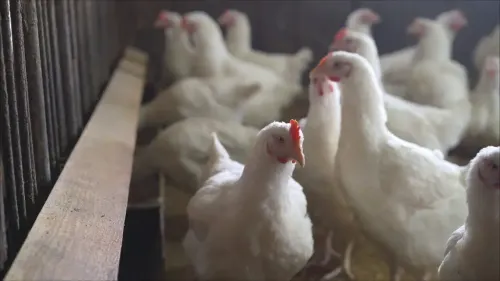
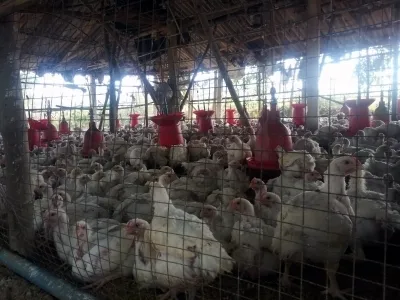
The provincial government reported that the outbreak occurred at a farm located in the city of Tainai, where approximately 630,000 egg-laying chickens will be culled.
Authorities mentioned that the Niigata facility observed unusual symptoms on Monday morning, which included a rise in chicken fatalities.
A preliminary test for the virus came back positive, and further genetic testing is underway.
This incident marks the third confirmed outbreak of bird flu at a poultry farm in Japan this season, as reported by the Xinhua news agency.
The initial case was identified in the town of Shiraoi in the northernmost prefecture of Hokkaido on October 22, followed by the second incident in Eniwa, also in Hokkaido, just this past Sunday.
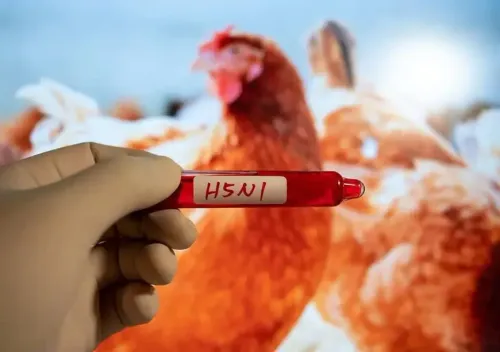
HPAI is a highly contagious transboundary disease with potential zoonotic impacts, affecting both animal and human health. It leads to a variety of clinical symptoms and significantly high mortality rates in both wild and domestic bird populations. Ongoing outbreaks of the H5 strain of AI have had severe repercussions globally, resulting in the loss of rare and vital wild bird species, alongside substantial social and economic challenges, including livelihood disruptions and egg shortages.
The proliferation of HPAI imposes considerable strain on poultry-related industries, necessitating measures such as culling and movement restrictions to control the virus, which can disrupt the poultry product trade. The continuing devastation underscores the critical need for enhanced control strategies to avert spillover and viral mutations that could trigger a global pandemic. HPAI is also known to infect mammals and humans, presenting significant public health threats. Affected mammals include domestic cats, cattle, and wild animals like foxes and seals, with rare human cases occurring among those in close contact with infected poultry or environments.
Point of View
The ongoing bird flu outbreak highlights the need for decisive action and robust control measures to protect both animal and human health. It is imperative that we prioritize effective strategies to mitigate the risks associated with HPAI, ensuring the safety of our food supply and public health.
NationPress
15 Oct 2026
Frequently Asked Questions
How is HPAI transmitted?
HPAI can spread through direct contact with infected birds, contaminated surfaces, or through the air in areas where infected birds are present.
What measures are taken to control outbreaks?
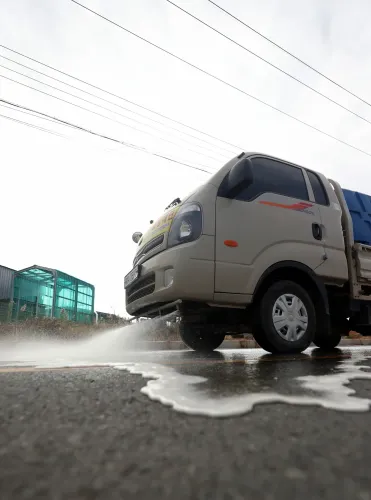
Control measures typically include culling infected birds, implementing movement restrictions, and enhancing biosecurity protocols at poultry farms.
Can humans get infected with HPAI?
Yes, while rare, humans can contract HPAI, especially those who have close contact with infected birds.
What impact does HPAI have on the poultry industry?
HPAI outbreaks can lead to significant economic losses in the poultry industry due to culling, trade restrictions, and reduced consumer confidence.