Hakeem Jeffries bids to be first Black Speaker, vows to eradicate Trump tariffs
Synopsis
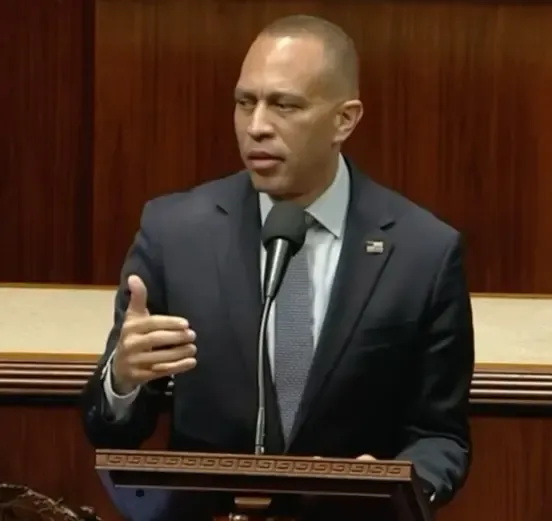
A day after Democrats flipped the House, Hakeem Jeffries threw his name in for Speaker — a move that would make him the first Black Speaker in US history. His opening salvo: eradicate Trump tariffs in 100 days and end what he calls the House's role as a 'subsidiary of the Trump Administration.' For India, the shift in committee power over trade and H-1B policy may matter as much as the headline.
Key Takeaways
Hakeem Jeffries formally launched his Speaker candidacy on 5 November , one day after Democrats won the House.
If elected, Jeffries would be the first Black Speaker in US history and the 57th Speaker of the House.
He pledged to eradicate Trump tariffs , reverse Medicaid cuts, and restore SNAP funding within the first 100 days .
Jeffries posted on X that House Democrats are on track to win at least 255 seats .
The shift has implications for India : Democratic committee control could influence trade scrutiny and high-skilled immigration bills affecting H-1B and green card policy.
Speaker Mike Johnson will not seek the minority leader role; Steve Scalise and Jim Jordan are both vying for Republican leadership.
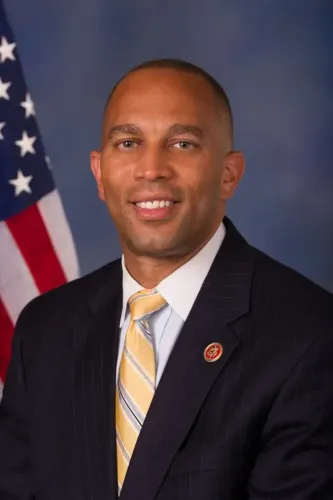
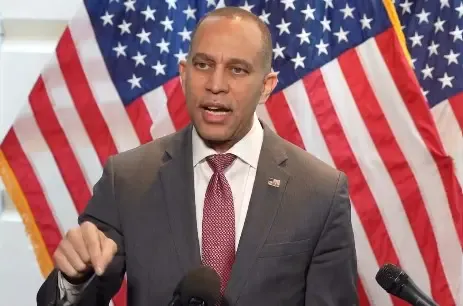
House Democratic Leader Hakeem Jeffries formally launched his campaign on Wednesday, 5 November to become the next Speaker of the US House of Representatives, just one day after Democrats secured control of Congress. In a sweeping 'Dear Colleague' letter to incoming members of the 120th Congress, Jeffries pledged to dismantle President Donald Trump's tariffs and restore Congress as a check on executive power.
A Historic Candidacy
If elected, the New York Democrat would become the 57th Speaker of the House — and the first Black Speaker in American history. Jeffries framed his candidacy in formally humble but politically assertive terms. 'I write to humbly request your support in connection with my candidacy to serve as the next Speaker of the House of Representatives,' he wrote.
Three Pillars: Affordability, Accountability, American Values
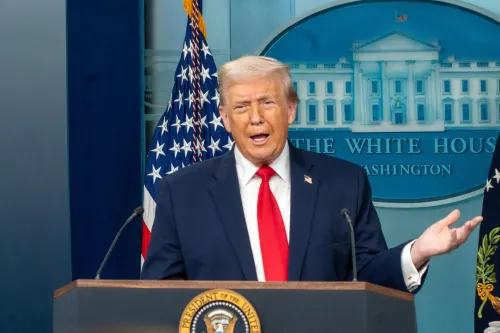
Jeffries outlined a three-point agenda he said Democrats must pursue decisively in the new majority: Affordability, Accountability, and American Values. On trade, he directly targeted the administration's economic record, blaming 'toxic GOP policies like the Trump tariffs and war in Iran' for driving up costs. He called on House Democrats to 'eradicate the Trump tariffs' within the first 100 days, alongside reversing Medicaid cuts, restoring SNAP funding, and extending Affordable Care Act tax credits.
On oversight, Jeffries was blunt: 'The days of the House functioning like a wholly owned subsidiary of the Trump Administration are over. Congress will assume its place as a check and balance on an out-of-control executive branch.'
On immigration, he defended the party's refusal to fund what he described as 'Donald Trump's violent mass deportation machine,' reaffirming Democrats' belief that 'immigration enforcement should be fair, just and humane.'
What It Means for India
While the letter makes no direct mention of India, H-1B visas, or legal immigration by name, the implications for Indian Americans and Indian interests are significant. A Democratic-controlled House gains oversight of committees with jurisdiction over trade and immigration — two policy domains of acute concern to India.
On trade, a Democratic House could use hearings and legislation to scrutinise tariffs affecting Indian exports, though any rollback bill would still require a Senate majority and survive a presidential veto. On immigration, Democratic committee chairs would influence which high-skilled visa and green card bills reach the floor — matters of direct consequence to Indian nationals, who are the largest users of the H-1B programme and constitute the bulk of the employment-based green card backlog.
Notably, the Congressional Caucus on India and Indian Americans, co-chaired by Democrat Ro Khanna — who won a sixth consecutive term on Tuesday — will now operate in a majority-Democratic House for the first time since 2022.
Republican Transition Underway
Jeffries' bid emerges as Republicans regroup after their House loss. Outgoing Speaker Mike Johnson told staff he would not seek the minority leader post in the new Congress. Majority Leader Steve Scalise and Judiciary Committee Chairman Jim Jordan have both signalled to colleagues that they intend to pursue the Republican leadership role.
Meanwhile, Jeffries posted on X late Wednesday that 'House Democrats are on track to win at least 255 seats,' underscoring the scale of the majority his party appears to have secured. How that majority is wielded — particularly on trade and immigration — will shape US policy well into 2027.
Point of View
Not just floor votes, to pressure the administration. The tariff pledge is the most globally consequential element: rolling back Trump-era trade measures would require Senate cooperation and survive a veto, making it aspirational in the near term. For India, the under-reported story is what a Democratic majority means for high-skilled immigration reform — with Ro Khanna co-chairing the India caucus in a friendly majority, the conditions for movement on the green card backlog are better than they have been since 2022, even if legislation remains uncertain.
NationPress
5 Nov 2026
Frequently Asked Questions
Who is Hakeem Jeffries and why is his Speaker bid historic?
Hakeem Jeffries is the House Democratic Leader from New York who formally announced his candidacy for Speaker of the US House of Representatives on 5 November 2026. If elected, he would become the first Black Speaker in American history and the 57th Speaker of the House.
What did Jeffries pledge in his Speaker bid letter?
In a 'Dear Colleague' letter to incoming members of the 120th Congress, Jeffries outlined a three-point agenda — Affordability, Accountability, and American Values. He specifically pledged to eradicate Trump tariffs, reverse Medicaid cuts, restore SNAP funding, and extend Affordable Care Act tax credits within the first 100 days.
How does a Democratic House majority affect India?
A Democratic-controlled House gains committee oversight over trade and immigration policy, two areas with direct bearing on India. Democratic committee chairs could scrutinise tariffs affecting Indian exports and influence which high-skilled immigration bills reach the floor, matters of significance given Indian nationals are the largest H-1B users and dominate the employment-based green card backlog.
What is the significance of Ro Khanna's re-election for India?
Ro Khanna, co-chair of the Congressional Caucus on India and Indian Americans, won a sixth term on Tuesday and will now operate in a majority-Democratic House for the first time since 2022. This gives the caucus greater influence over committee agendas touching India-related trade and immigration issues.
What is happening on the Republican side after the House loss?
Outgoing Speaker Mike Johnson told staff he would not seek the minority leader position in the new Congress. Both Majority Leader Steve Scalise and Judiciary Committee Chairman Jim Jordan have signalled to colleagues their interest in taking on the Republican House leadership role.