Punjab's Anti-Drug Drive Hits 91,031 Arrests on Day 613
Synopsis
Punjab's Yudh Nashian Virudh anti-drug campaign crossed 91,031 cumulative arrests on Day 613, with police conducting 301 raids, registering 86 FIRs, and seizing 2.5 kg heroin and 2.5 kg opium in a single day's operation.
Key Takeaways
Day 613 of the Yudh Nashian Virudh campaign was reported by the Chief Minister's Office of Punjab on 5 November 2026 .
Police conducted raids at 301 locations and registered 86 FIRs across the state in a single day.
Cumulative arrests since the drive began have reached 91,031 drug smugglers .
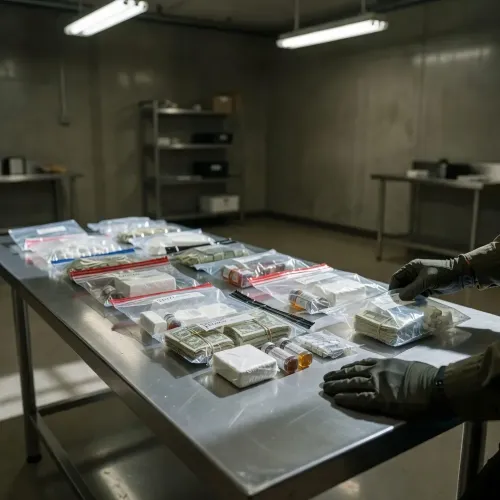
Single-day seizures included 2.5 kg heroin , 2.5 kg opium , 488 intoxicant pills , and ₹2.24 lakh in drug money.
The campaign is a flagship anti-narcotics initiative of Chief Minister Bhagwant Mann 's AAP government, which took office in March 2022 .
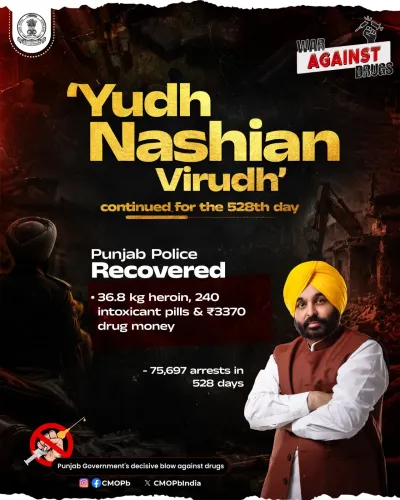
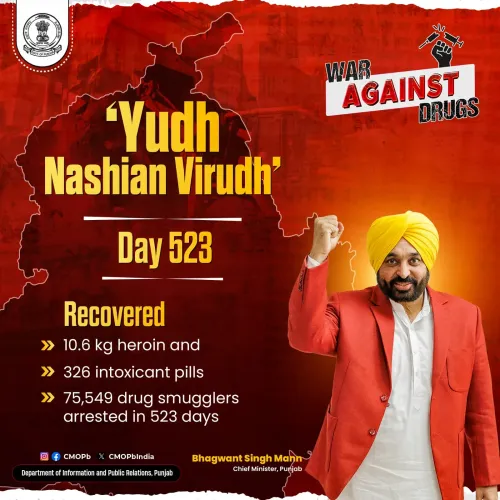
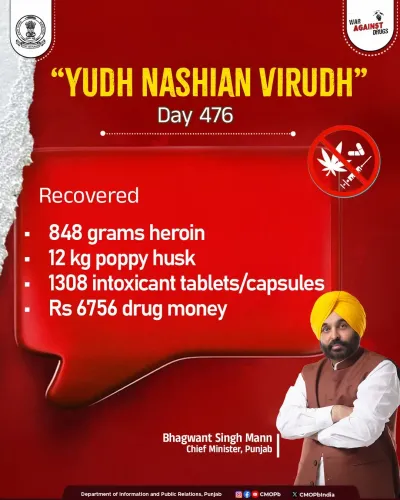
Ninety-one thousand and thirty-one — that is the cumulative number of drug smugglers arrested in Punjab since the state launched its relentless anti-narcotics campaign, Yudh Nashian Virudh (War Against Drugs). On Thursday, 5 November 2026, the Chief Minister's Office of Punjab confirmed that Day 613 of the drive delivered another hard day's work: 301 locations raided, 86 FIRs registered, and fresh seizures pulled off the streets.
What Day 613's raids turned up
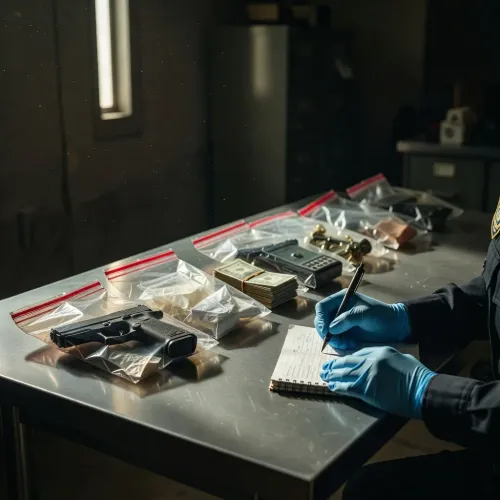
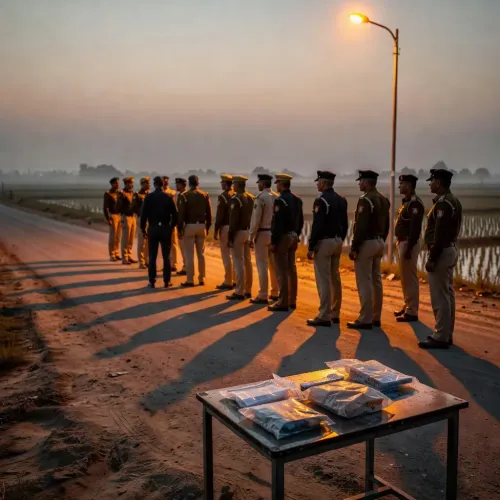
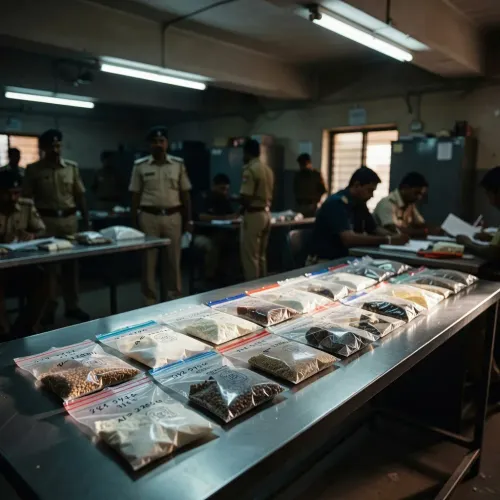
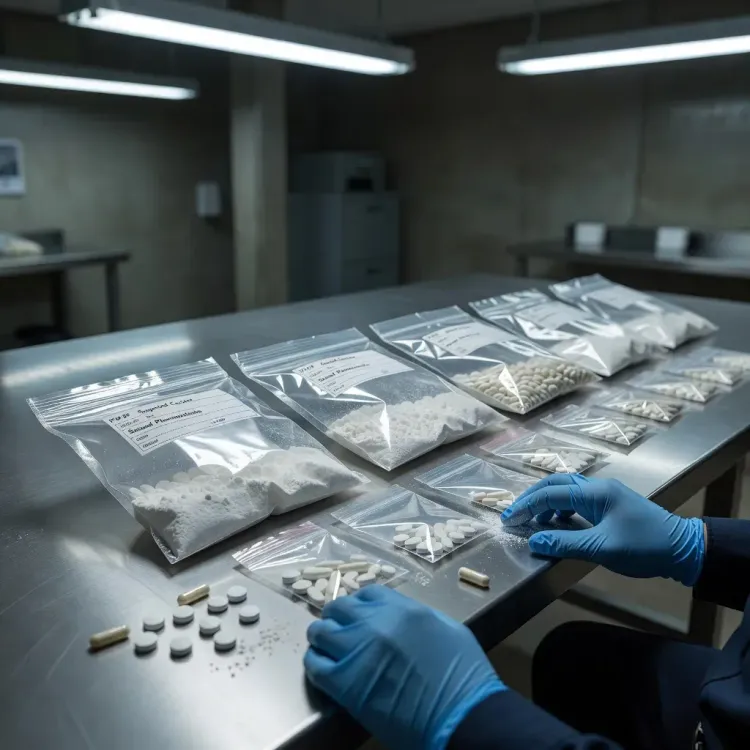
Punjab Police fanned out across the state in coordinated strikes, registering 86 first information reports and conducting raids at 301 locations. The haul from those operations: 2.5 kg of heroin, 2.5 kg of opium, 488 intoxicant pills, and ₹2.24 lakh in drug money seized directly from those arrested. Individually, these numbers describe a single day's grind. Stacked against 613 consecutive days of enforcement, they reveal a machine that has not stopped turning.
The campaign behind the numbers: Yudh Nashian Virudh
Yudh Nashian Virudh is the signature anti-narcotics drive of Chief Minister Bhagwant Mann's Aam Aadmi Party government, which came to power in March 2022. The campaign channels daily police raids, FIR registrations, and public arrest tallies as a supply-side enforcement strategy aimed squarely at dismantling trafficking networks that have plagued the state for years.
Punjab's geography has long made it vulnerable — international smuggling routes from across the western border have fed a steady stream of heroin into the state's towns and villages. Successive administrations since 2017 escalated enforcement phases and tabled anti-drug discussions in the Punjab Vidhan Sabha, but the Mann government's approach is notable for its daily public accounting: every arrest, every FIR, every gram seized is announced with its cumulative running total. Transparency as pressure — on smugglers and on the police force itself.
91,031 arrests — and what that figure does not yet answer
The milestone of crossing 91,000 arrests within roughly 20 months is striking in scale. The CMO's daily bulletins serve a dual purpose: they signal momentum to Punjab's youth and families who have borne the heaviest cost of the drug crisis, and they build a public audit trail for a government that made tackling narcotics a central election promise. The state police remain the principal instrument, executing raids and filing cases while rehabilitation infrastructure operates in parallel.
What the daily figure does not yet fully answer is conviction rates and the depth of the networks being dismantled — whether kingpins are being reached or whether street-level carriers continue to absorb the arrests. Those answers will come from consolidated seizure data and any forthcoming legislative proposals for tighter narcotics control, both of which the CMO has signalled as milestones to watch.
At 613 days and counting, Yudh Nashian Virudh is not winding down — and Punjab is watching every arrest number to see whether supply-side muscle alone can turn the tide.
Point of View
Which made drug eradication a cornerstone of its 2022 mandate, maintaining the cadence of these bulletins sustains electoral credibility with Punjab's youth-heavy voter base. However, the emphasis on supply-side metrics — arrest counts and gram weights — without equally prominent data on convictions, kingpin prosecutions, or rehabilitation outcomes leaves a critical dimension of the anti-drug story untold. The campaign's long-term legacy will ultimately be measured not by the size of the arrest tally but by whether the trafficking networks feeding Punjab from across the border are structurally weakened.
NationPress
5 Nov 2026
Frequently Asked Questions
What is Yudh Nashian Virudh in Punjab?
'Yudh Nashian Virudh' means 'War Against Drugs' in Punjabi. It is a statewide police campaign launched by Chief Minister Bhagwant Mann's government targeting drug smugglers and trafficking networks through daily coordinated raids and FIR registrations across Punjab.
How many drug smugglers have been arrested in Punjab's anti-drug drive?
As of Day 613 of the Yudh Nashian Virudh campaign, a total of 91,031 drug smugglers have been arrested across Punjab since the drive began.
How much heroin was seized in Punjab's latest drug raid?
On Day 613 of the campaign, Punjab Police seized 2.5 kg of heroin, along with 2.5 kg of opium, 488 intoxicant pills, and ₹2.24 lakh in drug money in a single day's operations.
Who is overseeing Punjab's anti-drug campaign?
The campaign is overseen by Chief Minister Bhagwant Mann of the Aam Aadmi Party government. The Chief Minister's Office issues daily updates, while Punjab Police carry out the raids and FIR registrations on the ground.
How many raids did Punjab Police conduct on Day 613?
On Day 613 of Yudh Nashian Virudh, Punjab Police conducted raids at 301 locations and registered 86 FIRs, leading to multiple arrests of drug smugglers across the state.