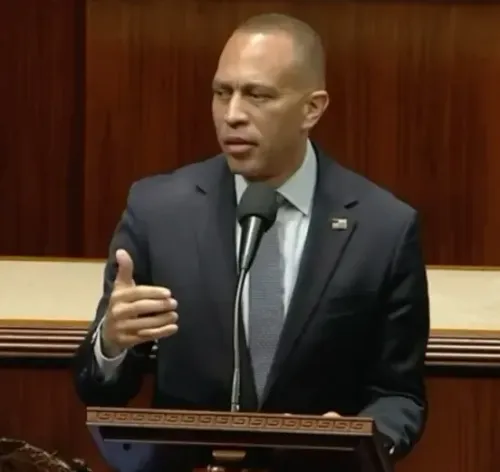
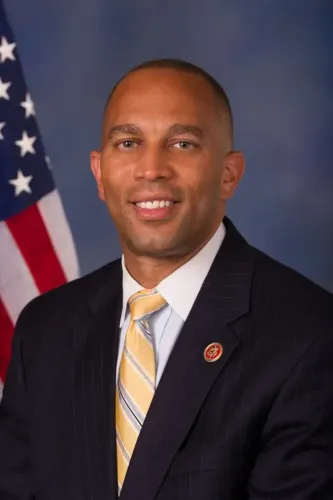
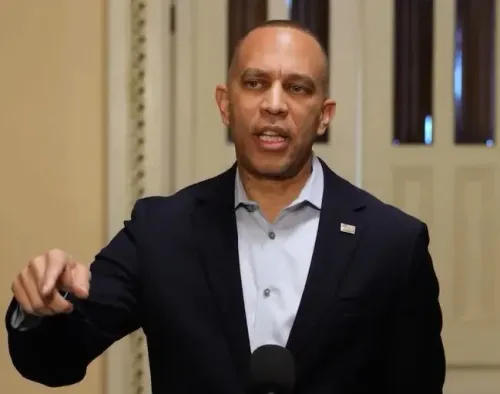
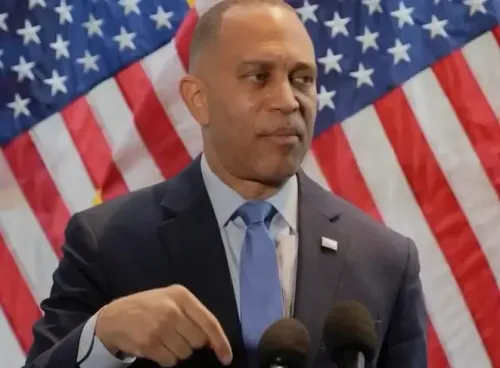
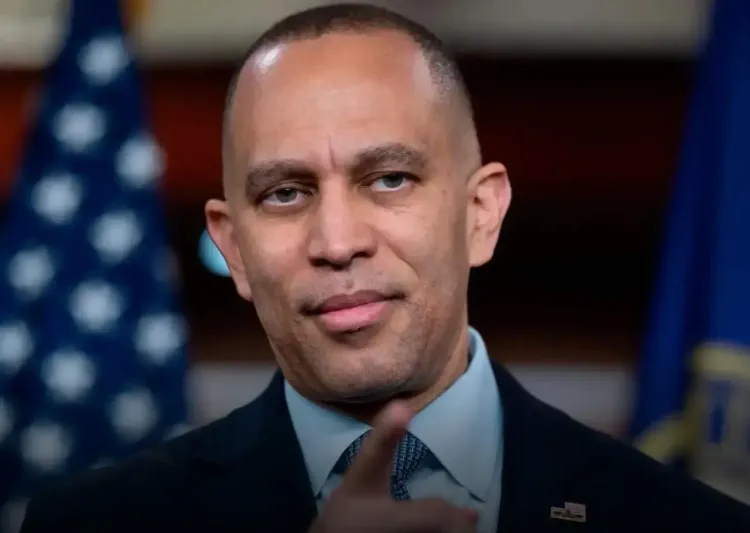
Hakeem Jeffries sets Iran war, tariffs as House priorities
Synopsis
Hakeem Jeffries says ending the Iran war and addressing Trump’s tariffs are early priorities for the incoming House Democratic majority, alongside reversing healthcare and food assistance cuts. He also wants a ban on stock trading by members of Congress but has not named the first bill Democrats will take up.
Key Takeaways
Hakeem Jeffries named ending the Iran war and addressing Donald Trump ’s tariffs among early Democratic House priorities.
Jeffries called for reversing Medicaid cuts and restoring SNAP benefits.
He proposed extending Affordable Care Act tax credits and said some Americans faced premium increases exceeding $1,000 a month .
Jeffries said Democrats would move early in the new Congress to prohibit members from trading stocks.
The Democrats’ speaker nominee did not identify a first bill or commit to immediate impeachment proceedings.
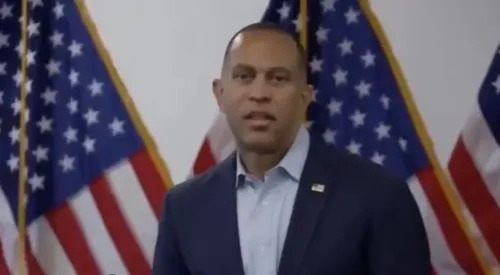
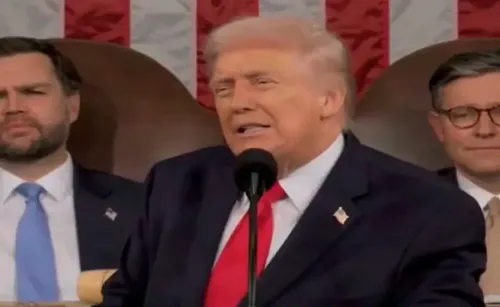
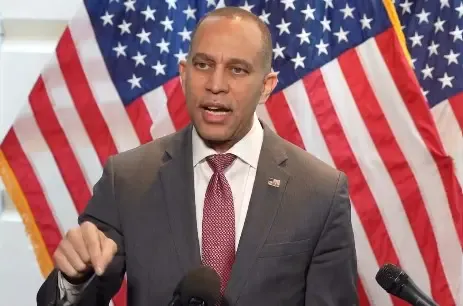
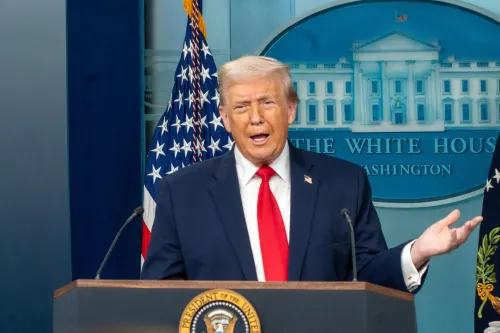
US House Democratic Leader Hakeem Jeffries has placed ending the Iran war, addressing President Donald Trump’s tariffs and reversing cuts to healthcare and food assistance among the early priorities for his party’s incoming House majority. In an interview on 23 November, Jeffries also proposed a congressional stock-trading ban and said Democrats could explore cooperation with Trump on healthcare, immigration and living costs.
Jeffries, the Democrats’ nominee for speaker when the new Congress convenes in January, did not name a single bill the party would take up first. He presented affordability and accountability as themes for the incoming majority’s agenda.
Iran war and tariffs on the agenda
Speaking on CBS’s Face the Nation, Jeffries called for an end to what he described as a “reckless and costly war of choice in Iran”. He said the conflict had driven up gas, food and diesel prices.
He also called for action on Trump’s tariffs, arguing that they had increased costs for Americans. Jeffries did not specify tariff rates or identify countries whose exports would be affected by the action he envisaged.
On household finances more broadly, he said: “We have to drive down the high cost of living. Life is way too expensive.” He added that many people working hard and playing by the rules could barely survive.
Healthcare and food assistance proposals
Jeffries said Democrats should reverse cuts to Medicaid and restore benefits under the Supplemental Nutrition Assistance Program, or SNAP. Medicaid provides health coverage for eligible low-income people, while SNAP helps eligible households buy food.
He also sought an extension of Affordable Care Act tax credits that help people pay health-insurance premiums. Jeffries pointed to what he described as bipartisan House support earlier in the year for an extension and said some Americans had seen premiums rise by more than $1,000 a month.
Asked whether Trump would veto a reversal of Medicaid cuts, Jeffries replied: “Listen, that remains to be seen.” His answer left open whether a Democratic proposal could secure the president’s approval.
Beyond reversing cuts, Jeffries proposed lowering the eligibility age for Medicare, the federal insurance programme principally serving older Americans, and expanding coverage to vision, hearing and dental care. He also called for children and young Americans to be able to afford to see a doctor.
Potential cooperation with Trump
Jeffries identified healthcare, immigration and affordability as areas where Democrats could explore agreements with Trump and Republicans. He argued that the healthcare system needed to improve beyond simply returning to the status quo.
“And we need to fix our broken immigration system as well,” he said. He did not set out specific immigration legislation during the interview.
Asked whether Democrats were preparing bills mainly to send a political message, Jeffries rejected that characterisation. “No, we’re committed to delivering the type of bold, dramatic, and meaningful change that the American people are demanding,” he said.
Stock trading and congressional oversight
Jeffries said Democrats would start with their own institution by moving early in the new Congress to prohibit members from trading stocks. He also called for accountability across Congress, the Supreme Court and the administration.
On whether impeachment proceedings were an immediate plan, he declined to commit either way: “We haven’t ruled anything in, and we haven’t ruled anything out. We’re focused on actually delivering and keeping our commitment.” He said any investigations should follow the facts, apply the law and be guided by the Constitution.
When the new Congress convenes in January, the order in which Democrats will pursue the proposals, and whether any can attract the support needed to become law, remain open questions.
Point of View
But its effectiveness will depend on the rules Democrats ultimately propose.
NationPress
23 Nov 2026
Frequently Asked Questions
What are Hakeem Jeffries’s priorities for the new House?
Jeffries named ending the Iran war, addressing Trump’s tariffs and reversing cuts to healthcare and food assistance as early Democratic priorities. He did not identify a single bill that would be taken up first.
What did Jeffries propose on healthcare?
Jeffries called for reversing Medicaid cuts, extending Affordable Care Act premium tax credits and expanding Medicare. His Medicare proposals include lowering the eligibility age and adding vision, hearing and dental coverage.
Does Jeffries want to ban stock trading by members of Congress?
Yes, Jeffries said Democrats would move early in the new Congress to prohibit members from trading stocks. He presented the proposal as part of a broader accountability agenda.
Will Democrats start impeachment proceedings immediately?
Jeffries did not commit to immediate impeachment proceedings or rule them out. He said any investigations should follow the facts, apply the law and be guided by the Constitution.
When does the new Congress convene?
The new Congress convenes in January, according to the source. Jeffries is the Democrats’ nominee to become speaker.