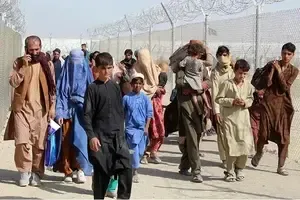
US judge blocks Trump admin from deporting 5 Afghans to Pakistan or Afghanistan
Synopsis
A New York federal judge has blocked the Trump administration from deporting five named Afghan asylum seekers to Pakistan, Afghanistan, or any third country, extending emergency relief past its expiry. The ruling turns on a narrow but consequential legal question: what procedures must the government follow when it deports someone to a country not listed in their removal order — and it may shape how courts review third-country removals across the board.
Key Takeaways
US District Judge Victor Marrero of the Southern District of New York issued a court order on 7 November 2025 barring deportation of five Afghan nationals .
The five individuals — Mahboba Baqeri , Mohammad Amir Hassani , Mohammad Sarwar Khudadad , Riza Ataye , and Sakina Beegzad — are detained in Texas or Louisiana .
The government must notify the court and Project Rousseau at least one week before any planned deportation of the five.
Project Rousseau, Inc. filed the lawsuit on 2 November , naming four senior officials including Secretary of State Marco Rubio and AG Todd Blanche as defendants.
The order does not strike down the existing removal orders — it restricts deportation to countries not listed in those orders pending further court proceedings.
A federal judge in New York has barred the Trump administration from deporting five Afghan nationals to Pakistan, Afghanistan, or any other third country, extending emergency relief that had been set to lapse over the weekend. US District Judge Victor Marrero of the Southern District of New York issued the Decision and Order on Friday, 7 November 2025, amid an ongoing legal challenge by a nonprofit immigration advocacy group.
What the Court Ordered
Judge Marrero formally enjoined the government from deporting the five identified Afghan nationals 'to Pakistan, Afghanistan, or any other third country pending further order of this Court.' The administration is additionally required to notify the court and the plaintiff organisation at least one week before any planned deportation of these individuals. The order effectively supersedes an earlier temporary restraining order that had been set to expire on Saturday, 7 November at 11:59 pm.
Who the Five Individuals Are
The five Afghan nationals named in the case are Mahboba Baqeri, Mohammad Amir Hassani, Mohammad Sarwar Khudadad, Riza Ataye, and Sakina Beegzad. Each holds a final order of removal and is currently detained at facilities in Texas or Louisiana, according to court declarations. The temporary order does not invalidate those removal orders — it only restricts the government from acting on them while litigation continues.
The Lawsuit and Key Defendants
Project Rousseau, Inc., a nonprofit providing legal services to asylum seekers, filed the lawsuit on 2 November. Named as defendants in their official capacities are Acting Immigration and Customs Enforcement (ICE) Director David J. Venturella, Homeland Security Secretary Markwayne Mullin, Attorney General Todd Blanche, and Secretary of State Marco Rubio. The case centres on what procedures the government must follow when it seeks to deport a person to a country not specified in the original removal order — a narrower legal question than a direct challenge to the removal orders themselves.
How the Case Reached This Stage
On 3 November, Part I Judge Valerie Caproni issued the initial temporary restraining order, holding the government to its own representation that no chartered or commercial flights to deport Afghan nationals to Afghanistan or Pakistan were 'planned or confirmed,' and that arranging such deportations takes weeks. When that order was set to expire, Judge Marrero — to whom the case was subsequently assigned — amended and extended the relief, rejecting at this stage the government's argument that immigration statutes stripped the court of jurisdiction.
What Happens Next
The current injunction preserves the status quo for the five named individuals and does not certify a class. Amended pleadings and preliminary-injunction briefing are still to proceed, meaning a fuller legal determination on the lawfulness of the planned removals is pending. The case is being closely watched as a bellwether for how courts will treat third-country deportation procedures under the current administration's immigration enforcement posture.
Point of View
Judge Marrero has opened a lane for courts to scrutinise how — and where — the administration removes people, even when it cannot be stopped from removing them entirely. The Trump administration's argument that immigration statutes strip courts of jurisdiction was rejected at this stage, which signals that such procedural challenges may survive preliminary review more often than the government hopes. With ICE deportation operations expanding and third-country agreements increasingly used to sidestep direct-country bars, this case could become a template for similar challenges nationwide.
NationPress
9 Nov 2026
Frequently Asked Questions
Why has a US judge blocked the deportation of five Afghan nationals?
US District Judge Victor Marrero issued an injunction barring the Trump administration from deporting five named Afghan nationals to Pakistan, Afghanistan, or any third country. The ruling extends emergency court relief and preserves the status quo while the court considers a fuller preliminary injunction. The case centres on whether the government followed proper legal procedures when seeking to deport individuals to countries not specified in their original removal orders.
Who are the five Afghan nationals named in the case?
The five are Mahboba Baqeri, Mohammad Amir Hassani, Mohammad Sarwar Khudadad, Riza Ataye, and Sakina Beegzad. All five hold final removal orders and are currently detained at facilities in Texas or Louisiana, according to court documents.
What is Project Rousseau and why did it sue?
Project Rousseau, Inc. is a nonprofit organisation that provides legal services to asylum seekers. It filed suit on 2 November 2025, arguing the government must follow specific procedures before deporting individuals to countries not listed in their removal orders. The suit names four senior officials — the Acting ICE Director, the Homeland Security Secretary, the Attorney General, and the Secretary of State — as defendants.
Does the injunction cancel the removal orders against the five Afghans?
No. The court order does not invalidate the final orders of removal that each individual already has against them. It only prevents the government from deporting them to Pakistan, Afghanistan, or any other third country while litigation over the procedural question proceeds.
What happens next in the case?
Amended pleadings and preliminary-injunction briefing are yet to be completed. The court will then decide whether longer-term injunctive relief is warranted. The case is being watched as a potential precedent for how courts treat third-country deportation procedures under the current administration.