Karachi chokes on sacrificial waste a week after Eid ul-Adha
Synopsis
More than a week after Eid ul-Adha, large parts of Karachi remain blanketed in the stench of decomposing animal offal. With SSWMB staff absent for the first two days of Eid and sites left uncleaned even after partial waste removal, residents across five districts are reporting headaches, nausea, and an inability to breathe comfortably — a recurring failure of Pakistan's largest city to manage post-Eid sanitation.
Key Takeaways
Foul odour from decomposing sacrificial waste persists across Karachi more than a week after Eid ul-Adha .
Affected areas include District Central , District West , District East , District South , and Korangi .
SSWMB staff were absent for the first two days of Eid in Pir Colony , delaying waste collection.
Residents report headaches , nausea , and breathing difficulty linked to the smell.
Many sites were not treated with lime or properly cleaned after waste removal, prolonging the odour.
Waste collection employees in Soldier Bazaar and Garden reportedly stopped work after the first two days of Eid.
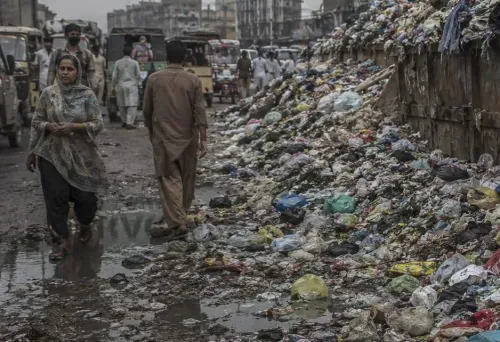
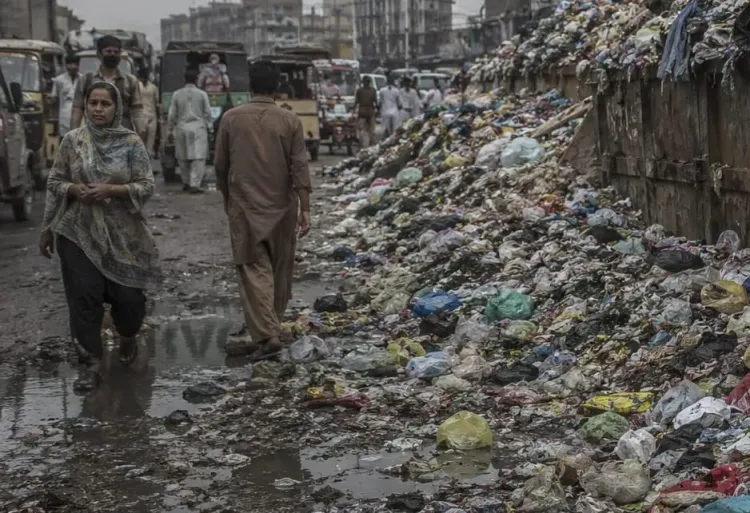
Residents across Karachi are struggling with a persistent foul odour from decomposing animal offal and sacrificial waste that remained uncollected more than a week after Eid ul-Adha, according to local media reports published on Friday, 5 May. Animal remains continue to lie in the open at garbage collection points across multiple districts, posing public health risks and causing widespread distress among the city's population.
Scale of the Problem
Complaints have emerged from across District Central, District West, District East, District South, and Korangi, where decomposing sacrificial waste has permeated neighbourhoods. Residents report symptoms including headaches, nausea, and general unease directly linked to the smell. In several localities, waste was removed only after considerable delay — and even then, the sites were not properly cleaned or treated with lime to neutralise the odour.
What Residents Are Saying
A resident of Orangi Town, speaking to Dawn, described the extent of the problem: 'Forget about stepping outside to enjoy fresh air. Even sitting at the dining table inside the house has become difficult. Last night, when I started eating dinner, I thought the curry had gone bad because of the smell. When I mentioned it to my sister and other family members, they told me the smell wasn't coming from the food. It was coming from outside. There are three garbage dumping points within about 500 metres of our house, and the stench from them continues day and night.'
Residents near Numaish similarly noted that sites from which waste had been removed were not cleaned properly, leaving a persistent stench. The situation is described as worsening day by day.
Pir Colony and the SSWMB Failure
Conditions have been particularly severe in Pir Colony, where the Sindh Solid Waste Management Board (SSWMB) established a dedicated dumping point for sacrificial animals on the main road. According to residents, SSWMB staff were absent for the first two days of Eid, leaving animal remains and garbage strewn throughout the area. Waste collection vehicles arrived only on the third day, and routine household garbage collection has since stalled, resulting in compounding waste piles, The Express Tribune reported.
Soldier Bazaar and Garden Areas Also Hit
In Soldier Bazaar and Garden, residents stated that waste collection employees worked only during the first two days of Eid before stopping altogether, leaving large mounds of garbage unattended in both localities. The absence of sustained municipal response has drawn sharp criticism from residents who say authorities have failed to meet even basic post-Eid sanitation obligations.
Public Health Concerns
Animal remains lying on roads and open spaces across Karachi represent a potential public health hazard beyond the immediate discomfort of the smell. Decomposing organic waste can attract disease vectors and contaminate surrounding environments if left unaddressed. With temperatures rising in the city, health experts have long warned that delays in post-Eid waste clearance can escalate quickly into broader sanitation crises. Authorities have yet to issue a public statement on a remediation timeline.
Point of View
Headaches, disease risk from decomposing matter in a city of over 14 million — are entirely foreseeable and entirely preventable. What is missing is not resources but accountability: no official has been named, no remediation deadline has been set, and no corrective framework has been announced. Until post-Eid waste management is treated as emergency infrastructure rather than routine sanitation, Karachi will repeat this crisis annually.
NationPress
21 Oct 2026
Frequently Asked Questions
Why is Karachi experiencing foul smells after Eid ul-Adha?
The smell is caused by decomposing animal offal and sacrificial waste that was not collected promptly or properly cleaned up after Eid ul-Adha. Municipal staff were reportedly absent during the first two days of Eid, and even where waste was removed, sites were not treated with lime or adequately sanitised.
Which areas of Karachi are worst affected?
Residents in District Central, District West, District East, District South, Korangi, Pir Colony, Orangi Town, Numaish, Soldier Bazaar, and Garden have all reported severe odour and uncollected waste. The problem is spread across a wide geographic area of the city.
What health risks does the uncollected waste pose?
Decomposing animal remains can cause nausea, headaches, and general unease, as reported by residents. Beyond immediate discomfort, rotting organic waste in open spaces can attract disease vectors and poses broader public health risks, particularly in rising temperatures.
What did the Sindh Solid Waste Management Board do?
According to residents, SSWMB staff were absent for the first two days of Eid in areas like Pir Colony. Waste collection vehicles arrived only on the third day, and routine household garbage collection has not resumed normally since, compounding the problem.
Has any authority responded to the sanitation crisis?
As of the reports published on 5 May, no official public statement or remediation timeline had been issued by Karachi's municipal authorities. Residents say cleaning has been partial and inconsistent across the affected districts.