MP Waqf Board issues Eid-ul-Adha guidelines for 15,000 properties across state

Synopsis
The Madhya Pradesh State Waqf Board has issued its most detailed Eid-ul-Adha advisory yet — covering 15,000 registered properties — with explicit rules on designated Qurbani sites, animal waste disposal, road prayers, and a pointed appeal to avoid making Qurbani videos viral on social media. The directive signals heightened administrative sensitivity around the festival.
Key Takeaways
The Madhya Pradesh State Waqf Board issued Eid-ul-Adha compliance guidelines on 27 May 2025 .
The directives cover approximately 15,000 registered Waqf properties across the state.
Qurbani must be performed only at designated, enclosed locations ; animal waste must be disposed of via municipal corporation containers .
Board Chairman Sanwar Patel urged people not to make Qurbani videos viral on social media.
Eid prayers should be offered only in Eidgahs and mosque premises; road prayers require prior local administration approval.
Sacrifice of prohibited animals is strictly barred under the advisory.
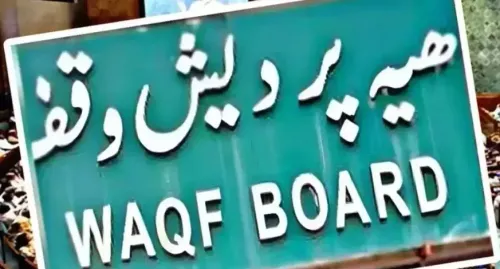
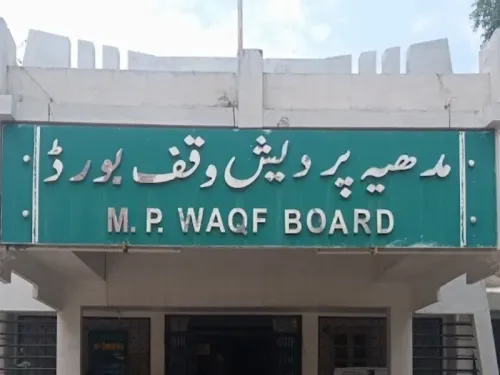
The Madhya Pradesh State Waqf Board on Wednesday, 27 May issued comprehensive guidelines for Eid-ul-Adha celebrations across the state, directing all Waqf Mutawallis and management committees to strictly follow government instructions on Qurbani, sanitation, and public order. The directives cover approximately 15,000 registered Waqf properties in Madhya Pradesh, including mosques, graveyards, dargahs, Eidgahs, qabristans, and madrasa-schools.
Key Directives Issued
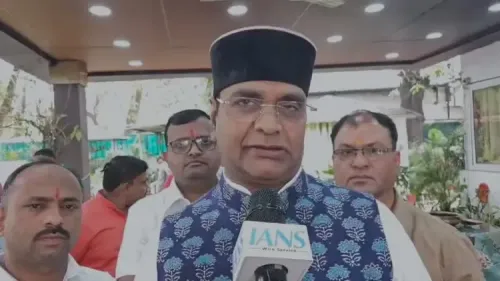
Board Chairman Sanwar Patel stated that all instructions issued by district collectors and district magistrates regarding Eid-ul-Adha must be followed in letter and spirit. Qurbani is to be performed exclusively at designated locations, which must be properly enclosed on all sides using walls or tin sheets, with rigorous cleanliness measures in place.
Waste material from sacrificed animals must be disposed of only in containers arranged by municipal corporations or at officially designated sites. The Board described cleanliness during the festival as a 'religious and moral responsibility', underscoring that sanitation obligations extend beyond civic duty.
What the Board Said
'The purpose of these guidelines is to ensure that Eid-ul-Adha is celebrated peacefully, hygienically and in accordance with government rules. All Waqf committees and Mutawallis should cooperate fully with the local administration,' Patel said.
The Board also explicitly directed that the sacrifice of prohibited animals must not be carried out under any circumstances, and all applicable government orders must be observed throughout the festival period.
Social Media and Public Order
Appealing for social harmony, Chairman Patel urged restraint on digital platforms. 'Videos or audio recordings of Qurbani should not be made viral on social media. People should maintain mutual respect and sensitivity so that the festival is celebrated in a peaceful atmosphere,' he said.
This guidance reflects a broader administrative concern about festival-related content inflaming communal tensions — a pattern seen in previous years across several states.
Guidelines on Eid Prayers
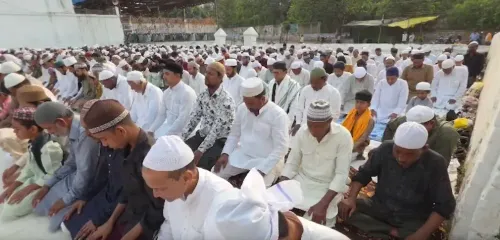
On the matter of Eid prayers, the Board instructed that Namaz should be offered only within Eidgah and mosque premises. Offering prayers on public roads should be avoided. However, if unavoidable circumstances arise, prayers may be organised with prior permission and cooperation of the local administration.
Scope and Context
With 15,000 Waqf properties registered across Madhya Pradesh, the Board's reach covers a significant share of the state's Muslim religious infrastructure. The issuance of pre-festival compliance advisories has become standard practice for the Board in recent years, though the explicit emphasis on social media restraint and waste disposal protocols marks a more detailed directive this cycle. As Eid-ul-Adha approaches, adherence to these guidelines will be closely monitored by district administrations statewide.
Point of View
000 properties is a separate question the advisory does not answer. Compliance will ultimately depend on district-level coordination — and the accountability mechanisms for non-compliance remain unspecified.
NationPress
10 Oct 2026
Frequently Asked Questions
What guidelines has the MP Waqf Board issued for Eid-ul-Adha 2025?
The Madhya Pradesh State Waqf Board has directed all Waqf Mutawallis and management committees to perform Qurbani only at designated enclosed sites, dispose of animal waste in municipal containers, avoid road prayers without permission, and refrain from sharing Qurbani videos on social media. The guidelines cover around 15,000 registered Waqf properties across the state.
How many Waqf properties are registered in Madhya Pradesh?
Approximately 15,000 Waqf properties are registered in Madhya Pradesh, including mosques, graveyards, dargahs, Eidgahs, qabristans, and madrasa-schools. Eid-ul-Adha activities are organised at these sites every year.
Who issued the Eid-ul-Adha guidelines and what is their authority?
The guidelines were issued by Madhya Pradesh State Waqf Board Chairman Sanwar Patel. The Board oversees registered Waqf properties in the state and coordinates with district collectors and magistrates to ensure compliance with government orders during festivals.
Can Eid prayers be offered on public roads in Madhya Pradesh?
The Waqf Board has directed that Namaz should be offered only in Eidgahs and mosque premises, and road prayers should be avoided. If unavoidable, prayers on roads may be organised only with prior permission and cooperation from the local administration.
Why has the Waqf Board asked people not to share Qurbani videos on social media?
Chairman Sanwar Patel appealed for social harmony and urged that videos or audio recordings of Qurbani not be made viral on social media. The directive reflects administrative concern that such content could disrupt the peaceful atmosphere of the festival.