Ro Khanna backs CCP Fentanyl Sanctions Act targeting China supply chain
Synopsis
Four US lawmakers — two Democrats, two Republicans — have revived the CCP Fentanyl Sanctions Act, a bill that would give Washington sweeping authority to sanction Chinese ports, online marketplaces, and financial networks implicated in fentanyl trafficking. The push is backed by a 2024 congressional investigation that accused Beijing of subsidising the very precursor chemicals fuelling America's deadliest drug crisis.
Key Takeaways
Ro Khanna and three other US lawmakers reintroduced the CCP Fentanyl Sanctions Act on 26 August .
The bipartisan bill targets Chinese chemical manufacturers, online vendors, ports, and financial networks linked to fentanyl trafficking.
It would expand powers under Executive Order 14059 and allow the president to restrict foreign financial institutions' correspondent accounts used in narcotics transactions.
A 2024 House Select Committee investigation reportedly found China subsidised fentanyl precursor production sold to Mexican cartels.
No specific Chinese entities are immediately designated; sanctions authority would activate after presidential or agency determination of complicity.
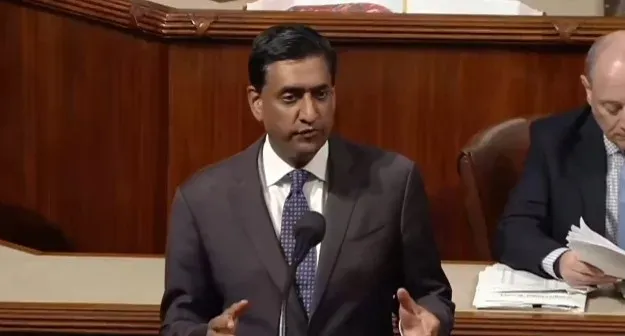
Indian American Congressman Ro Khanna and three fellow US lawmakers have introduced bipartisan legislation — the CCP Fentanyl Sanctions Act — seeking to impose sanctions on Chinese chemical manufacturers, online vendors, ports, and financial networks accused of enabling the flow of fentanyl and its precursors into the United States. The bill was reintroduced on Tuesday, 26 August, marking a renewed congressional push to hold China-based entities legally accountable for the American opioid crisis.
Key Provisions of the Bill
The legislation was jointly introduced by Khanna, the ranking Democrat on the House Select Committee on China, and the committee's Republican chairman, John Moolenaar. They were joined by Republican Congressman Dan Newhouse and Democratic Congressman Jake Auchincloss, underscoring the measure's cross-party backing.
The bill would expand existing US sanctions powers to cover Chinese vessels and ports that knowingly or recklessly facilitate the transport of illicit synthetic narcotics. Chinese online marketplaces and companies similarly implicated could also face sanctions, according to the House Select Committee on China. Additionally, the measure would allow the president to restrict correspondent and payable-through accounts used by foreign financial institutions whose accounts knowingly facilitated transactions for synthetic narcotics traffickers.
The legislation also proposes to codify and expand authorities established under Executive Order 14059, which previously addressed foreign individuals and organisations involved in the global illicit drug trade.
What Lawmakers Said
'Fentanyl has devastated communities across America,' Khanna said. 'I'm proud to join Rep. Auchincloss' bipartisan effort to hold the networks responsible accountable. We must stop the flow of fentanyl and illicit precursors into our country and protect American families,' he added.
Moolenaar cited a 2024 committee investigation that accused the Chinese government of subsidising the production of fentanyl precursors sold to Mexican cartels. 'The Chinese Communist Party has long had a role in facilitating the fentanyl crisis that has killed hundreds of thousands of Americans,' he said, calling the bill 'a crucial step toward holding them accountable for the pain they have caused American families.'
Auchincloss argued that Chinese chemical manufacturers exporting fentanyl-related substances to the US 'should bear the full force of U.S. sanctions and anti-money-laundering measures.' Newhouse accused the Chinese Communist Party (CCP) of subsidising and exporting illicit narcotics, saying Congress needed to take stronger action against companies linked to the trade.
How the Sanctions Framework Would Work
Notably, the lawmakers did not identify specific Chinese companies, vessels, ports, online marketplaces, or financial institutions for immediate designation. The bill instead establishes a forward-looking authority: sanctions would be triggered after the president or relevant US agencies determined that an entity had knowingly or recklessly facilitated fentanyl trafficking.
Correspondent accounts — which allow foreign banks to conduct transactions through US-based institutions — would be a specific target, cutting off a critical financial lifeline for entities found complicit in the trade.
Background: Fentanyl and the US Opioid Crisis
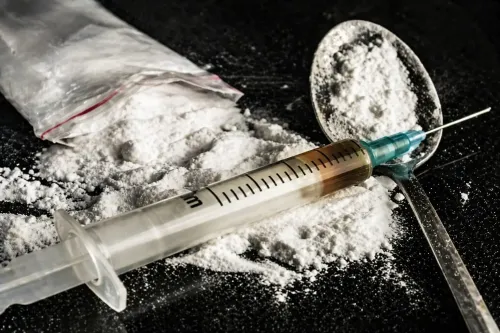
Fentanyl is a powerful synthetic opioid used legally for severe pain management. Illicitly manufactured fentanyl has become a leading driver of fatal drug overdoses in the United States, largely because it is routinely mixed with heroin, cocaine, and counterfeit prescription pills without users' knowledge. The 2024 House Select Committee investigation reportedly found that Chinese state subsidies had accelerated the supply of precursor chemicals reaching Mexican drug cartels, which then produce finished fentanyl for the US market.
This is not the first time the CCP Fentanyl Sanctions Act has been put before Congress, but its reintroduction comes as US-China tensions over trade and national security remain elevated — lending the bill renewed political urgency. Whether it advances to a floor vote will depend on broader legislative dynamics in the current session.
Point of View
Which leaves designation decisions to the executive branch, means its real impact hinges on presidential will, not congressional mandate. The 2024 committee findings on Chinese state subsidies for fentanyl precursors are serious, but they remain contested by Beijing; without independent verification, the evidentiary basis for any specific sanctions action will face legal challenge. The deeper question the bill leaves unanswered is whether sanctions alone can disrupt a supply chain that has proved adaptable to every prior enforcement pressure.
NationPress
10 Oct 2026
Frequently Asked Questions
What is the CCP Fentanyl Sanctions Act?
The CCP Fentanyl Sanctions Act is a bipartisan US bill reintroduced on 26 August that would authorise sanctions against Chinese chemical manufacturers, ports, online marketplaces, and financial networks accused of facilitating the production and export of fentanyl and its precursor chemicals to the United States. It also seeks to codify and expand authorities under Executive Order 14059.
Who introduced the CCP Fentanyl Sanctions Act?
The bill was reintroduced by Congressman Ro Khanna (Democrat) and Congressman John Moolenaar (Republican), the ranking member and chairman respectively of the House Select Committee on China. They were joined by Republican Congressman Dan Newhouse and Democratic Congressman Jake Auchincloss.
Which Chinese entities would be sanctioned under the bill?
The legislation does not immediately designate specific Chinese companies, vessels, ports, or financial institutions. Instead, it establishes a framework under which the president or relevant US agencies can impose sanctions once an entity is determined to have knowingly or recklessly facilitated fentanyl trafficking.
What evidence links China to the US fentanyl crisis?
A 2024 investigation by the House Select Committee on China reportedly accused the Chinese government of subsidising the production of fentanyl precursor chemicals that are then sold to Mexican drug cartels, which manufacture finished fentanyl for the US market. China has disputed such characterisations.
Why does fentanyl cause so many deaths in the United States?
Fentanyl is a powerful synthetic opioid that is frequently mixed — often without users' knowledge — into heroin, cocaine, and counterfeit prescription pills, making accidental overdose far more likely. Illicitly manufactured fentanyl has become the leading driver of drug overdose fatalities in the United States.