How Are US Lawmakers Strengthening AI Chip Regulations on China Amid Drug Enforcement Talks?
Synopsis
In a bid to bolster national security, US lawmakers are intensifying regulations on advanced semiconductor technologies to prevent them from reaching China. This legislative push occurs while Washington and Beijing engage in critical discussions concerning drug enforcement, particularly focusing on the pressing issue of fentanyl and synthetic opioids. The implications are profound, affecting both technology and public health.
Key Takeaways
US lawmakers are intensifying regulations on advanced AI chips.
The Chip Security Act aims to prevent technology diversion to China .
Ongoing drug enforcement talks focus on combating fentanyl trafficking.
Bipartisan support highlights national security concerns.
Future cooperation between Washington and Beijing is essential in tackling drug issues.
Washington, Feb 18 (NationPress) US legislators have taken steps to enhance regulations on advanced American semiconductor technology to prevent its potential transfer to China and other nations of concern. This move coincides with discussions between Washington and Beijing regarding drug enforcement, particularly centered on fentanyl and synthetic opioids.
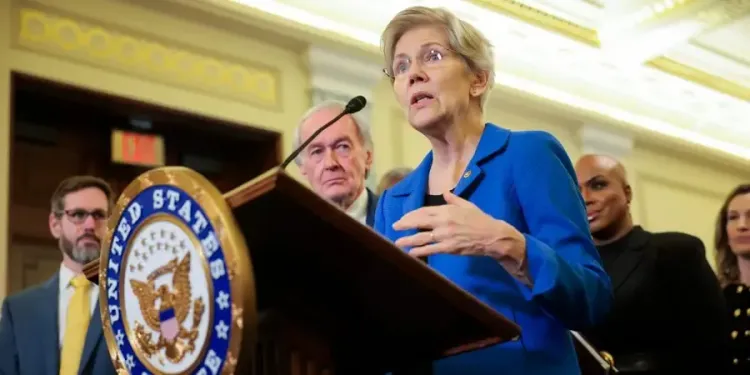
US Senator Elizabeth Warren, the Ranking Member of the Senate Banking Committee, has teamed up with Senator Tom Cotton in sponsoring the Chip Security Act. This proposed legislation seeks to tighten oversight on advanced American chips and mandates the Secretary of Commerce to implement chip security protocols to prevent these technologies from reaching China and similar nations.
“We bear the responsibility of ensuring that our most advanced technologies do not compromise American economic and national security. This legislation is a sensible solution to the persistent issues surrounding chip smuggling, ensuring that our export enforcement teams can remain proactive against smugglers,” stated Warren.
Cotton remarked: “We need to enhance our efforts in maintaining and expanding our status in the international market while protecting America’s technological superiority. By adopting these enhanced security measures, we can broaden access to US technology without jeopardizing our national security.”
This bill underscores the increasing bipartisan anxiety in Washington regarding technology transfers and export enforcement, especially concerning advanced AI chips.
As the lawmakers pushed the measure forward, US and Chinese officials convened in Colorado Springs for the Bilateral Drug Intelligence Working Group from February 10 to 12.
The meeting, which included representatives from the US Drug Enforcement Administration and China, gathered law enforcement personnel, prosecutors, customs officials, border security agents, public security representatives, financial supervisors, and technical specialists to foster cooperation against illicit synthetic drugs, including fentanyl.
“The critical, urgent, and life-saving goal of combating fentanyl and other synthetic opioids has been highlighted by both President Trump and President Xi,” according to the DEA.
Participants evaluated recent advancements and concurred on “specific next steps to disrupt chemical supply routes, avert diversion, and target illegal financing tied to transnational criminal organizations.”
The discussions explored drug trafficking patterns in both nations, addressing the influence of precursor chemicals on drug supply, pill presses, and related equipment, along with the role of online marketing.
“Acknowledging the devastating human cost of synthetic drugs, particularly fentanyl, the United States and China are committed to collaborating, in accordance with the guidance from both countries’ leaders, to save lives, safeguard communities, and uphold the rule of law,” the statement concluded.
Fentanyl remains a central focus in US efforts to mitigate opioid overdoses, which have taken tens of thousands of lives annually in recent years. Washington has consistently urged Beijing to enhance controls over precursor chemicals and illicit supply chains connected to transnational criminal organizations.
Point of View
It is crucial to recognize the balance between technological advancement and national security. The bipartisan support for tighter controls on AI chips is a reflection of growing concerns regarding international relations and the potential risks posed by technology transfers. As we navigate these discussions, it is essential to ensure that measures taken uphold American values while promoting a safer global environment.
NationPress
6 Oct 2026
Frequently Asked Questions
What is the purpose of the Chip Security Act?
The Chip Security Act aims to prevent advanced American chips from being diverted to China and other nations of concern by improving oversight and requiring chip security mechanisms.
Why is there a focus on fentanyl in US-China talks?
Fentanyl has been a significant contributor to opioid overdoses in the US, prompting discussions on how to combat its trafficking and the illicit supply chains associated with it.
Who are the key figures involved in this legislative initiative?
Key figures include US Senator Elizabeth Warren and Senator Tom Cotton, who co-sponsored the Chip Security Act to enhance chip security and export controls.
What are the expected outcomes of the US-China drug enforcement talks?
The talks aim to establish cooperation against illicit synthetic drugs, disrupt chemical supply chains, and enhance controls over precursor chemicals.
How does this legislation impact US-China relations?
This legislation reflects the growing bipartisan concern in the US over technology transfers and export enforcement, affecting diplomatic relations with China.