US bans visas for 13 linked to India-based fentanyl trafficking network
Synopsis
The US has escalated pressure on an India-linked fentanyl network by banning visas for 13 associates of KS International Traders — a company already hit with Treasury sanctions for allegedly flooding American streets with counterfeit fentanyl pills. The move signals Washington is widening its net beyond principals to the broader ecosystem enabling the trade.
Key Takeaways
The US State Department imposed visa bans on 13 individuals linked to KS International Traders , an India-based firm sanctioned for fentanyl trafficking.
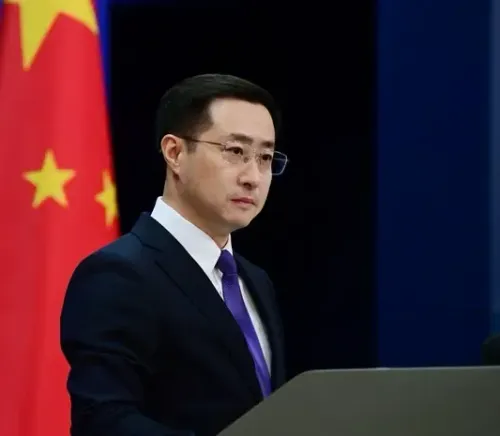
Spokesperson Tommy Pigott announced the action on 12 May , citing US-India shared commitment to dismantling drug networks.
KS International Traders , owner Khizar Mohammad Iqbal Shaikh , and associate Sadiq Abbas Habib Sayyed were placed under US Treasury Department sanctions in September .
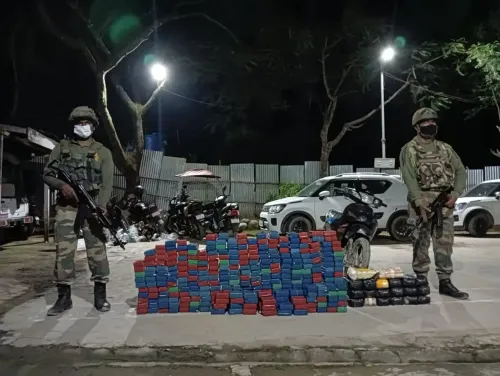
The duo allegedly supplied hundreds of thousands of counterfeit pills laced with fentanyl and methamphetamine, working with traffickers in the Dominican Republic and the US.
The CDC recorded 70,231 drug overdose deaths in the US in the 12 months ending November, underscoring the scale of the fentanyl crisis.
The United States has imposed visa bans on 13 individuals linked to an India-based business already under American sanctions for allegedly trafficking the deadly synthetic opioid fentanyl, State Department Spokesperson Tommy Pigott announced on Tuesday, 12 May. The move, framed as a joint effort with India, targets close associates of KS International Traders and its owner, a company previously designated for fentanyl trafficking.
Who Is Targeted and Why
According to Pigott, the 13 individuals are described as "close business associates of KS International Traders and its owner." The company, he said, "generated revenue through the trafficking of illicit fentanyl, which President Trump designated as a Weapon of Mass Destruction." The State Department did not publicly name the 13 individuals covered by the new visa ban.
The bans were imposed under a provision of the Immigration and Nationality Act that bars drug traffickers from entering the United States. This makes them ineligible for US visas on top of the financial restrictions already in place against the parent entity.
Background: Sanctions Imposed in September
In September, the US Treasury Department placed KS International Traders, its owner Khizar Mohammad Iqbal Shaikh, and associate Sadiq Abbas Habib Sayyed — both Indian nationals — under formal sanctions. Those measures blocked their assets and barred them from financial transactions within the United States.
The Treasury's earlier announcement accused Shaikh and Sayyed of "collectively supplying hundreds of thousands of counterfeit prescription pills filled with fentanyl and other illicit drugs to victims across the United States." The two allegedly worked with narcotics traffickers in the Dominican Republic and the US to market and sell pills laced with fentanyl, a fentanyl analogue, and methamphetamine.
The Human Cost of Fentanyl
The scale of the fentanyl crisis underpins the urgency of Tuesday's action. According to the Centers for Disease Control and Prevention (CDC), 70,231 people died from drug overdoses in the 12 months ending November in the United States — a figure that reflects fentanyl's outsized role in America's overdose epidemic.
"Too many families have been torn apart by fentanyl," said Under Secretary for Terrorism and Financial Intelligence John Hurley at the time of the September sanctions. "Today, we are acting to hold accountable those who profit from this poison."
US-India Cooperation Against Drug Networks
Pigott explicitly invoked bilateral ties in framing the visa action: "This action underscores the United States' and India's enduring and shared commitment to dismantling illicit drug entities and disrupting trafficking networks that harm Americans." The statement signals that Washington views New Delhi as a partner — not just a source country — in its anti-fentanyl enforcement push.
This is part of a broader US effort to use visa restrictions and Treasury sanctions in tandem to squeeze international drug networks. The dual-track approach — financial isolation followed by travel bans on associates — is increasingly being applied to entities beyond direct principals. Further designations targeting the broader network remain possible as investigations continue.
Point of View
Targeting the network rather than just its principals. What is notable is the explicit invocation of India as a partner in this enforcement action, a framing that serves both diplomatic and domestic political purposes for the Trump administration. Yet the opacity around the 13 individuals — no names released — raises legitimate questions about accountability and due process. As the US-India relationship navigates trade and immigration tensions, counter-narcotics cooperation offers rare, uncontested common ground that both governments appear eager to showcase.
NationPress
14 Oct 2026
Frequently Asked Questions
Why has the US imposed visa bans on 13 people linked to an Indian company?
The US State Department banned visas for 13 individuals described as close business associates of KS International Traders, an India-based firm already sanctioned for allegedly trafficking fentanyl into the United States. The bans were imposed under the Immigration and Nationality Act, which bars drug traffickers from entering the US.
What is KS International Traders and what were the original sanctions?
KS International Traders is an India-based business whose owner, Khizar Mohammad Iqbal Shaikh, and associate Sadiq Abbas Habib Sayyed were sanctioned by the US Treasury Department in September. They were accused of supplying hundreds of thousands of counterfeit pills filled with fentanyl and other illicit drugs to victims across the United States.
Who are the 13 people banned from getting US visas?
The State Department did not publicly name the 13 individuals. They were described only as close business associates of KS International Traders and its owner, targeted for their role in supporting the company's alleged fentanyl trafficking operations.
How does this relate to US-India relations?
State Department Spokesperson Tommy Pigott framed the action as reflecting the 'enduring and shared commitment' of the US and India to dismantling illicit drug networks. The move positions India as a partner in US anti-fentanyl enforcement rather than a source of concern.
How deadly is the fentanyl crisis in the United States?
According to the Centers for Disease Control and Prevention, 70,231 people in the United States died from drug overdoses in the 12 months ending November, with fentanyl playing a central role in driving those numbers.