India Joins U.S. in Combat Against Fentanyl Trafficking: Intelligence Official
Synopsis
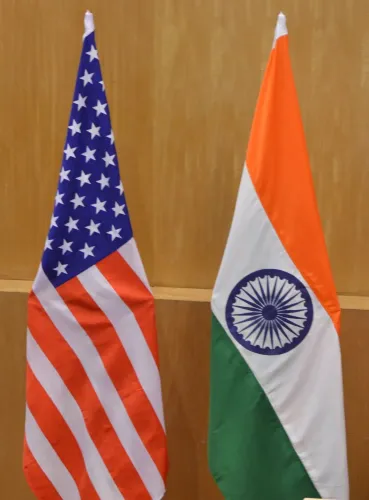
In a significant development, India collaborates with the United States to combat the flow of fentanyl precursor chemicals, as revealed by a top intelligence official. This partnership is crucial in addressing the escalating threats posed by transnational criminal organizations and evolving terrorist tactics.
Key Takeaways
India collaborates with the U.S. to combat fentanyl trafficking.
Transnational criminal organizations are a significant threat.
Ongoing cooperation is key to addressing drug-related issues.
Intelligence operations have seen considerable improvements.
Cybercrime and radicalization are rising domestic threats.
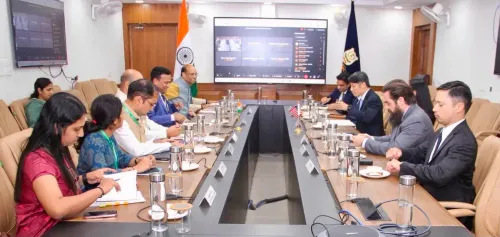
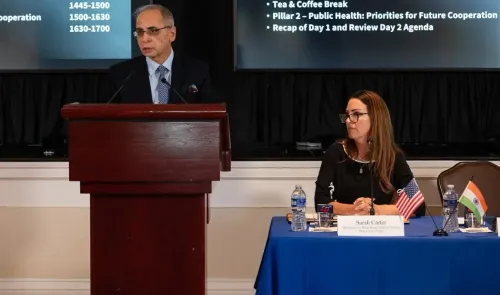
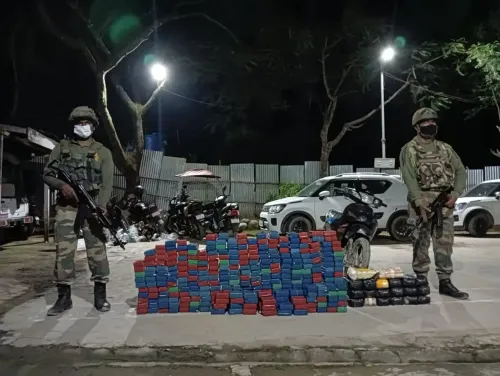
Washington, March 18 (NationPress) India is actively engaged in U.S. initiatives aimed at restricting the influx of fentanyl precursor substances, as stated by a senior American intelligence official during a session with lawmakers on Wednesday. This cooperation with New Delhi comes amidst warnings about a growing global threat landscape.
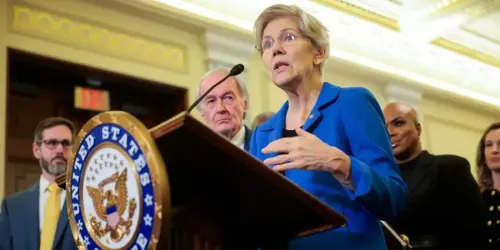
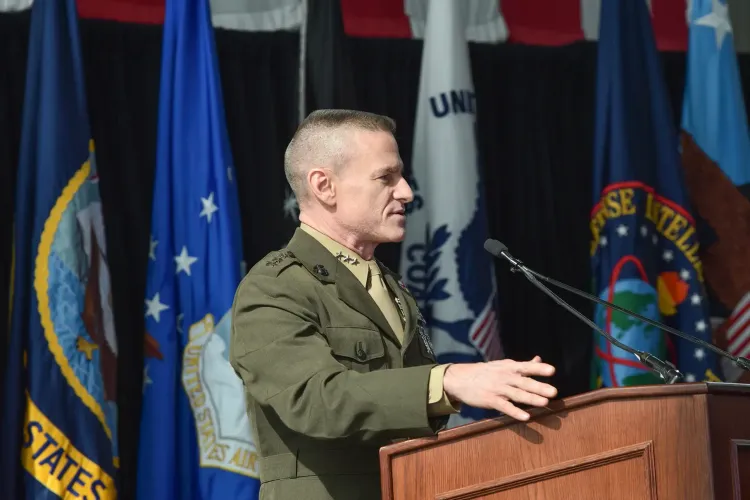
In his presentation of the 2026 Annual Threat Assessment to the Senate Select Committee on Intelligence, James H. Adams III, Director of the Defence Intelligence Agency, emphasized that transnational criminal organizations pose a significant risk, especially through the manufacturing and distribution of synthetic drugs.
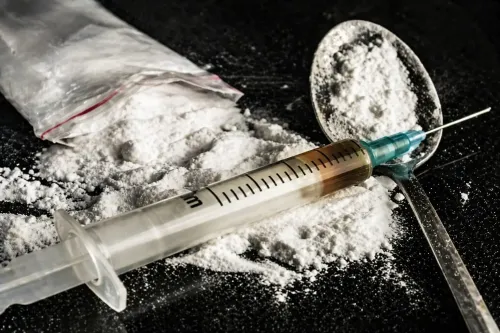
“The U.S. is collaborating with both China and India to impede the flow of fentanyl precursor chemicals into North America, and we are witnessing some positive developments,” Adams remarked, while noting, “There remains much work ahead.”
He highlighted that cartels operating from Mexico continue to lead in the production and trafficking of fentanyl and various narcotics into the United States, representing “a daily and direct threat to the health and safety of millions of American citizens.”
During the same hearing, Tulsi Gabbard, the Director of National Intelligence, cautioned that terrorist groups still present a significant concern, despite their diminished strength.
“I wholeheartedly agree… regarding the threats posed by ISIS, Al Qaeda, and other Islamist terrorist factions globally,” Gabbard stated, noting the evolving nature of these threats.
“We are increasingly observing fewer signs of large-scale, organized, complex threats, and more attention on individuals radicalized by Islamist propaganda,” she elaborated.
CIA Director John Ratcliffe informed lawmakers about the ongoing threat from Iran to U.S. interests and security.
“Iran has consistently posed a threat to the United States… and continues to represent an immediate concern at this moment,” Ratcliffe stated, emphasizing that its missile program is a major worry.
He pointed out that U.S. intelligence capabilities have improved, stating, “the CIA has delivered,” with foreign intelligence collection “increasing by 25 percent… in areas such as China… up 100 percent… in technology and AI, up 45 percent.”
FBI Director Kash Patel underscored the rising domestic security threats, particularly those arising from online radicalization and cyber-enabled crimes.
“They have adapted their capabilities… to online recruitment, which enhances the potency of any terrorist group, including ISIS,” Patel explained.
He mentioned that the FBI has thwarted numerous plots, stating, “we… prevented four terrorist attacks… three of which were inspired by ISIS.”
Patel also noted enhanced interagency cooperation, stating, “We have 59 Homeland Security taskforces… collaboratively led by the FBI and DHS,” outlining efforts to combat terrorism and organized crime nationwide.
On the subject of cybercrime, Patel issued a warning about increasingly sophisticated scam networks operating internationally. “We will… dismantle every single scam center compound,” he promised.
Officials also pointed out the escalating influence of artificial intelligence in shaping future risks, including cyberattacks, disinformation initiatives, and military decision-making.
Point of View
The ongoing cooperation between India and the United States in combating drug trafficking signifies a proactive approach to addressing a pressing global issue. The evolving landscape of threats, particularly from transnational criminal groups and terrorism, underscores the importance of international collaboration in safeguarding public health and security.
NationPress
22 Sept 2026
Frequently Asked Questions
What role is India playing in U.S. efforts against fentanyl?
India is collaborating with the U.S. to restrict the flow of fentanyl precursor chemicals, which is crucial in tackling the global drug trafficking crisis.
Who presented the Annual Threat Assessment?
James H. Adams III, the Director of the Defence Intelligence Agency, presented the 2026 Annual Threat Assessment to the Senate Select Committee on Intelligence.
What are the main threats highlighted in the assessment?
The assessment highlights threats from transnational criminal organizations, particularly in synthetic drug production and trafficking, as well as concerns regarding terrorism.
What did CIA Director John Ratcliffe say about Iran?
Ratcliffe emphasized that Iran continues to pose a significant threat to U.S. interests, particularly its missile program.
How is the FBI addressing domestic security threats?
The FBI is tackling domestic security threats through enhanced interagency coordination and has disrupted multiple terrorist plots.